
Flowers
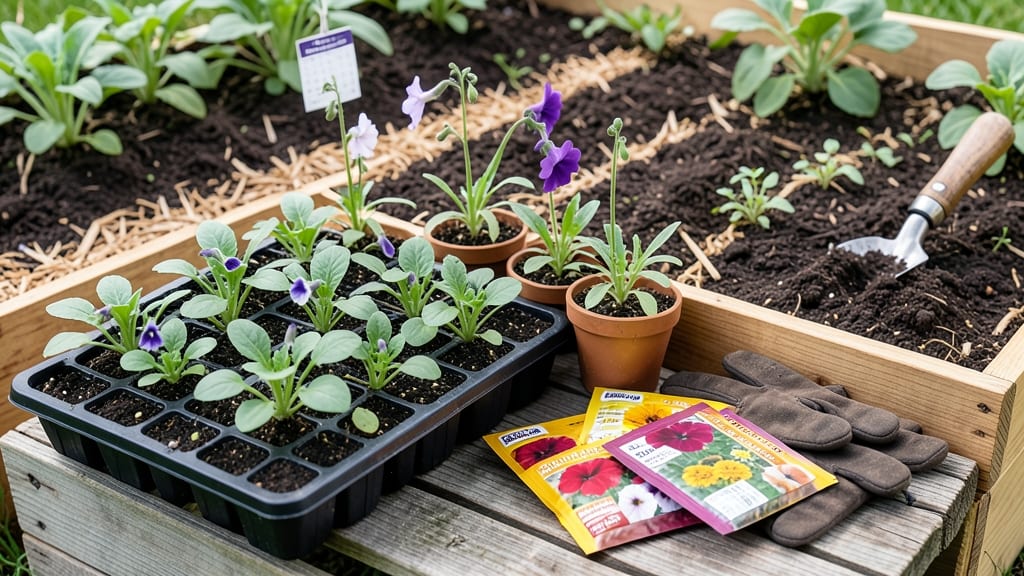
Planting flowers in spring after the last frost date 🌸 is the key to vibrant blooms all season long—get it wrong, and you might end up with sad, stunted plants before they even show color.
Timing your spring flower planting wrong can mean wilting blooms before they even sprout—but knowing your USDA zone and frost dates transforms guesswork into a thriving garden.
In Zone 6a, where most of us plant after mid-April, the difference between a 30-day and 60-day bloom cycle comes down to when you start. Annuals like zinnias and cosmos can handle late starts, while perennials need that early edge.
Below, I’ll break down the exact planting windows by zone, how to prep your soil, and which flowers to prioritize—so you can avoid the most common mistakes and enjoy blooms from May through October.
Spring flower planting dates by USDA zone and frost risk
Getting your spring flower planting timing right means the difference between vibrant blooms and sad, frost-nipped seedlings. Since USDA zones 3-10 experience wildly different frost patterns, I’ll break down the ideal planting windows for both annuals and perennials based on your local climate.
The key? Planting after your average last frost date—but with smart adjustments for early bloomers and heat-sensitive varieties.
First, check your USDA hardiness zone (use the USDA zone map) and note your historical frost dates. Most garden centers provide local frost calendars, but if you’re unsure, err on the side of caution by waiting 2-4 weeks after the last expected frost.
For example, in Zone 5, where frosts can linger into May, I always hold off until mid-May for tender annuals like petunias and geraniums.
Here’s the golden rule: Cool-season flowers (like pansies and snapdragons) can handle light frosts and often thrive when planted 4-6 weeks before your last frost date.
But warm-season favorites (zinnias, marigolds, sunflowers) need to wait until the soil warms to at least 60°F (15°C), which usually aligns with your last frost date or later.
🌱
Perennials are the low-maintenance champions of spring planting. Since they return year after year, you can often plant them in early spring (as soon as the ground is workable) or even in fall.
For example, daylilies and hostas thrive when planted in Zone 5 as early as April, while lavender prefers the cooler soil of late spring to avoid fungal issues.
For annual flowers, timing is everything. Plant cool-season annuals (like lettuce, snap peas, or calendula) 4-6 weeks before your last frost date. But warm-season annuals (tomatoes, basil, zinnias) need to wait until after your last frost—usually mid-to-late spring in most zones.
Pro tip: If you’re eager to start, sow fast-germinating seeds (like radishes or arugula) indoors 6-8 weeks before your last frost to get a jump on the season.
Don’t forget to harden off seedlings if you’re transplanting from indoors. Gradually expose them to outdoor conditions over 7-10 days before planting to avoid shock. And always check the seed packet for specific instructions—some varieties, like snapdragons, can handle light frosts and even bloom earlier in the season.
If you’re in a transitional zone (like Zone 6b-7a), where frosts can sneak in late, consider using frost cloths or planting heat-tolerant varieties like portulaca or lantana. These plants thrive in hot, dry conditions and can often be planted after Memorial Day without fear of frost.
Finally, soil temperature matters just as
How to adjust planting for early vs. late spring weather patterns
Spring weather can throw curveballs—one week you're planting tender annuals, and the next, a late frost threatens to undo all your hard work. The key to success lies in flexibility, not rigidity.
I've learned that microclimates within your garden (like sunny slopes vs. shaded corners) and heat-tolerant varieties can mean the difference between a garden that thrives and one that struggles.
Your USDA zone gives you a starting point, but local weather patterns often dictate the real timeline. For example, in Zone 5, I've seen last frost dates vary by two weeks between my backyard and a neighbor's slightly elevated plot.
Pay attention to 10-day forecasts and local gardening groups—they're your early warning system for unpredictable spring weather.
⚠️ Warning: Don't Plant Too Early!
Even hardy flowers like pansies can suffer if planted 2 weeks before your average last frost. Use these 3 rules to avoid frost damage:
- Soil temp must stay above 45°F (7°C) for 5+ days
- Night temps should remain above 32°F (0°C) consistently
- Daytime highs need to reach 50°F (10°C) reliably
When late frosts strike after planting, I rely on row covers and cloche protection to shield delicate seedlings. Lightweight floating row covers (like Reemay fabric) let sunlight through while trapping heat—raising soil temps by 5-8°F.
For extreme cold snaps, I move potted plants under porch lights or use cold frames to create microclimates.
For heatwaves that arrive unexpectedly, I switch to heat-tolerant varieties like celosia, zinnia, or lantana. These thrive in 90°F+ temps and often bloom longer than traditional spring flowers. I also mulch heavily with straw or wood chips to keep roots cool and retain moisture during dry spells.
Don't forget about succession planting—this is my secret weapon for unpredictable springs. Instead of planting all my marigolds at once, I stagger them every 2 weeks from May through June.
This ensures continuous blooms whether spring arrives early or late. I keep a planting journal to track what works each year.
Your garden's microclimates matter more than you think. The south-facing wall of my house warms up enough to support tender perennials like geraniums two weeks earlier than the north side. Use these natural advantages—plant heat-lovers near dark surfaces (like brick) and cold-sensitive plants in shaded spots.