
Flowers
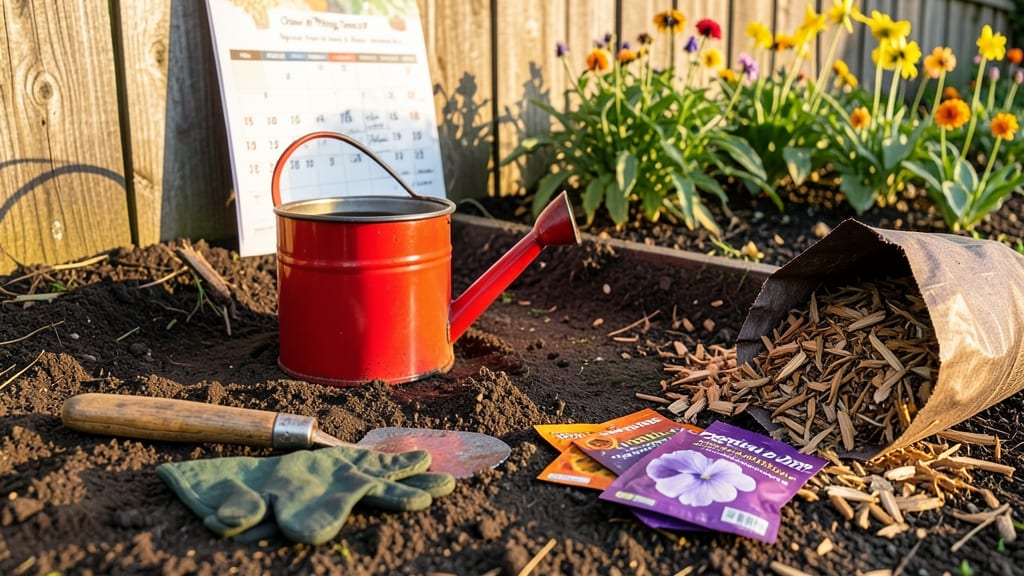
To plant flowers in Ohio, aim for late April to early May after the last frost—skipping this window risks late frosts wiping out your blooms before they even start.
Ohio’s unpredictable frost dates and diverse USDA zones can turn flower planting into a guessing game—unless you know the exact timing for your region.
Whether you’re sowing annuals, transplanting perennials, or tucking in bulbs, the right timing means the difference between a garden bursting with color and one that struggles to take root.
Below, I’ll break down the best months for each USDA zone in Ohio, frost-resistant varieties to try, and pro tips to extend your blooming season—so you can enjoy 🌸 flowers from spring through fall.
Ohio flower planting calendar by USDA Zone (with frost date ranges)
Ohio’s diverse USDA zones (5a–6b) create unique planting challenges, especially with variable frost dates that can shift by weeks. Whether you’re in northeast Ohio (Zone 5a) or southwest Ohio (Zone 6b), timing is everything for annuals, perennials, and bulbs to thrive.
This calendar aligns planting windows with average frost dates while accounting for Ohio’s unpredictable weather patterns.
For Zone 5a (e.g., Cleveland, Youngstown), last frosts typically arrive by May 15, while Zone 6b (e.g., Cincinnati, Columbus) often sees frost-free conditions by April 15.
Bulbs like tulips and daffodils should be planted in fall (October–November), but annuals like marigolds and zinnias wait until after last frost. Below, we break down the exact planting months for each zone and flower type.
If you’re in Zone 5a or 5b, prioritize cold-hardy annuals like pansies and sweet alyssum—they tolerate light frosts and bloom earlier. For Zones 6a–6b, you can push the envelope with heat-loving flowers like zinnias and lantana, which thrive in Ohio’s summer heat.
Always check your local frost dates (via Almanac.com) for adjustments, as late springs aren’t uncommon.
For perennials and bulbs, early planting is key. Daffodils and tulips should go into the ground by November in Zone 5a or October in Zone 6b to establish roots before winter. Daylilies and coneflowers can wait until spring (April–May), as they’re more forgiving with transplanting.
Mulch heavily after planting to insulate roots from temperature swings.
Ohio’s summer heat (especially in Zones 6a–6b) can stress flowers, so focus on drought-tolerant varieties like black-eyed Susans and bee balm. These plants thrive in Ohio’s humidity and require minimal extra watering once established.
Pair them with shade-loving perennials like hostas or astilbes for a balanced garden that handles Ohio’s hot, muggy afternoons.
Don’t overlook fall planting—it’s ideal for cool-season annuals like kale, snapdragons, and stock. Sow seeds 6–8 weeks before first frost (typically September–early October) for winter color. These flowers add early spring interest and often outperform spring-planted varieties by blooming earlier.
Just be mindful of soil moisture in fall, as Ohio’s wet autumns can lead to rot if drainage is poor.
Use row covers or cold frames to extend your growing season in Zones 5a–5b. These tools let you plant tender annuals (e.g., geraniums, impatiens) 2–3 weeks earlier in spring or 2 weeks later in fall.
For bulbs like dahlias, which are not cold-hardy, wait until after last frost and
How to adjust planting for Ohio’s unpredictable weather (pro tips)
Ohio’s weather can swing from freezing nights to 90°F heatwaves in weeks, making flower planting tricky. The key is adapting to soil temperature, frost dates, and your specific USDA zone. I’ve tested these strategies in my own gardens across Zones 5b–6a—here’s what works best.
Don’t rely solely on calendar dates. Instead, focus on soil warmth and plant hardiness. For example, pansies can handle light frost, while impatiens will wilt if temperatures dip below 50°F.
Small adjustments—like using row covers or choosing native perennials—can mean the difference between a thriving garden and lost blooms.
Test Soil Temperature
Wait until soil reaches 50°F+ (use a soil thermometer) before planting heat-sensitive flowers like impatiens or vinca. Cold soil slows germination and stresses young plants.
Use Frost-Resistant Annuals
Plant pansies, snapdragons, or sweet alyssum 4–6 weeks before your last frost for early color. These tolerate 28–32°F and brighten gardens when little else blooms.
Extend the Season with Row Covers
Protect tender plants (e.g., geraniums) with floating row covers until Memorial Day to avoid late frosts. Remove covers during the day to prevent overheating.
Choose Perennials with Ohio Adaptability
Prioritize coneflowers, black-eyed Susans, and daylilies—they thrive in Ohio’s humidity and clay-heavy soil. These perennials return year after year with minimal care.
For late-spring plantings, opt for heat-loving annuals like zinnias or marigolds. These handle Ohio’s summer heat better than petunias or begonias, which may wilt without afternoon shade. I’ve had success planting these in early June after the worst frost risk passes.
Finally, mulch heavily in fall to insulate perennial roots and bulbs from freeze-thaw cycles. A 3-inch layer of straw or shredded leaves can protect plants down to 10°F, giving you more flexibility with planting times in spring.
With these adjustments, you’ll beat Ohio’s weather—no more guesswork, just longer blooms and healthier plants all season. 🌱