
Flowers
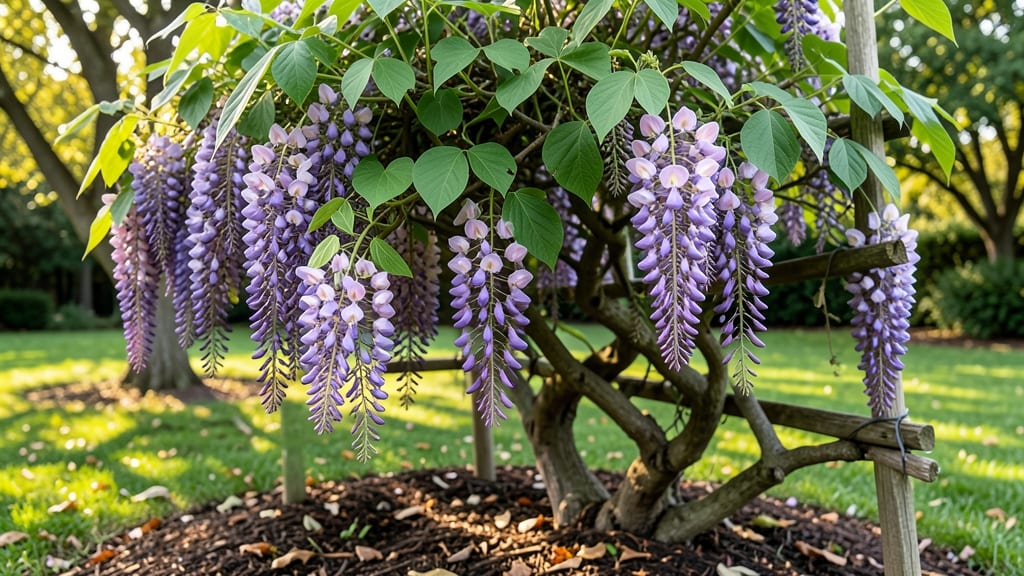
Wisteria flowers bloom in late spring—typically between April and May—when the air is thick with their intoxicating scent and cascading clusters transform gardens into fragrant canopies.
Picture this: you’ve waited all year, and then—overnight—your wisteria 🌸 explodes into a sea of purple, blue, or white, drawing bees and hummingbirds in droves. But timing isn’t just about aesthetics; it’s about climate, variety, and even how you prune.
Miss the window, and you might end up with a vine full of leaves but no flowers.
Not all wisterias bloom at the same time. Japanese varieties often flower earlier than Chinese types, while American wisteria may push blooms into early summer. Where you live matters too—cooler zones like USDA 6a can delay flowering by weeks compared to warmer climates.
In this guide, I’ll break down the exact bloom windows by variety, share how to read your plant’s signals, and reveal the simple pruning tricks that guarantee a showstopping display year after year.
Wisteria bloom times by variety: a seasonal breakdown
If you’ve ever dreamed of waking up to a garden filled with cascading wisteria flowers, timing is your secret weapon. These stunning vines bloom at different times depending on their variety and climate zone, and understanding these patterns lets you plan for maximum impact.
Whether you’re growing Japanese wisteria or Chinese wisteria, knowing when to expect those fragrant blooms helps you create a showstopping display every year.
Most gardeners assume wisteria flowers bloom in spring, but the truth is more nuanced. Some varieties burst into color as early as late March, while others wait until summer’s peak. The difference often comes down to whether you’re cultivating spring-blooming or summer-blooming varieties—and where you live.
Let’s break down the bloom schedules for the most popular types so you can anticipate (and enhance!) your garden’s floral spectacle.
| Variety | Primary Bloom Season | Climate Zones | Notes |
|---|---|---|---|
| Japanese Wisteria (Wisteria floribunda) | Late April - May | USDA Zones 5-9 | Classic spring bloomer; fragrant lavender flowers |
| Chinese Wisteria (Wisteria sinensis) | May - June | USDA Zones 6-10 | Often blooms slightly later; needs warmer climates |
| American Wisteria (Wisteria frutescens) | June - July | USDA Zones 4-9 | Summer bloomer; hardier in cooler regions |
| Amethyst Falls (Wisteria floribunda) | Late April - Early May | USDA Zones 5-8 | Early bloomer; purple-blue flowers |
| Prolific (Wisteria sinensis) | May - June | USDA Zones 6-9 | Heavy bloomer; needs support structure |
The Japanese wisteria is the quintessential spring bloomer, typically bursting into lavender-purple flowers from late April through May. This variety thrives in cooler climates (USDA Zones 5-9) and often sets the stage for other garden blooms.
If you live in Zone 6 or higher, you’ll likely see flowers by early May, while gardeners in Zone 5 might wait until late May due to frost delays.
For those who prefer a summer garden show, American wisteria delivers with its June-July bloom time. This native variety is more adaptable to cooler regions (USDA Zones 4-9) and often handles early frosts better than its Asian cousins.
In Zone 7, expect vibrant blooms by early June, while Zone 4 gardeners might see flowers as late as July due to slower spring warming.
If you’re growing Chinese wisteria, plan for a slightly later show in May-June. This variety loves warmer climates (USDA Zones 6-10) and often needs extra sunlight to trigger blooming.
In Southern California (Zone 10), you might see flowers as early as April, while Zone 6 gardeners could wait until June. The key is to plant in a south-facing location with well-draining soil to encourage timely blooms.
One common misconception is that all wisteria flowers bloom in spring. While Japanese varieties are spring specialists, American wisteria often surprises gardeners with its summer flowering habit. This makes it perfect for extending your garden’s bloom season.
For example, pairing Amethyst Falls (a Japanese type) with American wisteria gives you flowers from April through July—a three-month floral display!
Climate plays a huge role in shifting bloom times. In warmer southern regions, wisteria often flowers 2-4 weeks earlier than in cooler northern zones. For instance, a Zone 9 garden might see Japanese wisteria blooms in early April, while a Zone 5 garden could wait until late May.
To encourage earlier blooms, plant in full sun and avoid heavy pruning before winter.
Age matters too! Young wisteria plants (under 3 years old) may produce fewer flowers as they focus on establishing roots. It can take 3-5 years for a wisteria vine to reach peak flowering. If your mature plant isn’t blooming, check its pr
How climate zones affect wisteria flowering: what to expect in your region
Your climate zone is the secret ingredient that determines whether your wisteria blooms in April or waits until June. Wisteria thrives in USDA Zones 5-9, but the timing of those iconic fragrant blooms shifts dramatically depending on whether you're in frost-prone Midwest or mild coastal California.
Understanding these regional differences helps you adjust planting, pruning, and care to enjoy wisteria's showstopping display at the perfect moment.
In northern regions like New York or Michigan, wisteria typically blooms in late April to early May after the last frost, while southern states such as Texas or Florida often see flowers as early as March.
Coastal areas with mild winters may even experience year-round blooming with proper care. Let's break down what to expect in your specific region to plan your garden's floral calendar with precision.
| Region | Typical Bloom Time | Key Factors | Adjustments Needed |
|---|---|---|---|
| USDA Zones 5-6 (Midwest/Northeast) | Late April - Early May | Late frosts, short growing season | Plant south-facing walls, use frost cloth |
| USDA Zones 7-8 (South/Central) | March - April | Mild winters, longer growing season | Prune aggressively after blooming |
| USDA Zones 9-10 (California/Coastal) | February - March | Year-round growth potential | Water deeply in summer droughts |
| Global (Mediterranean) | January - February | Mild, wet winters | Provide afternoon shade in summer |
In Zone 5, where I garden in Chicago, my Amethyst Falls wisteria consistently blooms in mid-May—about two weeks later than my Zone 7 neighbors in Atlanta. The difference comes down to frost dates and winter dormancy.
Wisteria needs chilling hours to set buds, but too many late frosts can delay or even prevent flowering. That's why I always plant mine against a south-facing brick wall for extra warmth.
For coastal gardeners in USDA Zone 9, like those in Southern California, wisteria often blooms twice a year—once in winter and again in spring. The key is to prune immediately after blooming to encourage new growth that will flower again.
In humid climates like Florida, you'll need to watch for powdery mildew and spider mites, which can stress the plant and delay flowering.
If you're in a warmer microclimate within a cooler zone—like a sunny valley in Upstate New York—you might see blooms 3-4 weeks earlier than your neighbors.
To push your wisteria into blooming earlier, try these climate-adaptation tricks: plant against a dark-colored wall to absorb heat, choose early-blooming varieties like 'Prolific', or use black plastic mulch around the base to warm the roots. For later blooms, focus on late-season pruning to redirect energy.
Remember, young wisteria plants (under 3 years old) may not bloom at all—they're building roots! Even mature plants can skip flowering if they're stressed by poor soil, drought, or over-pruning. That's why I always test my soil's pH (6.0-7.0 ideal) and phosphorus levels before expecting blooms.
With the right climate adjustments, you can enjoy wisteria's heavenly scent and stunning cascades right when you want them—whether that's for spring weddings or summer patio parties.