
Flowers
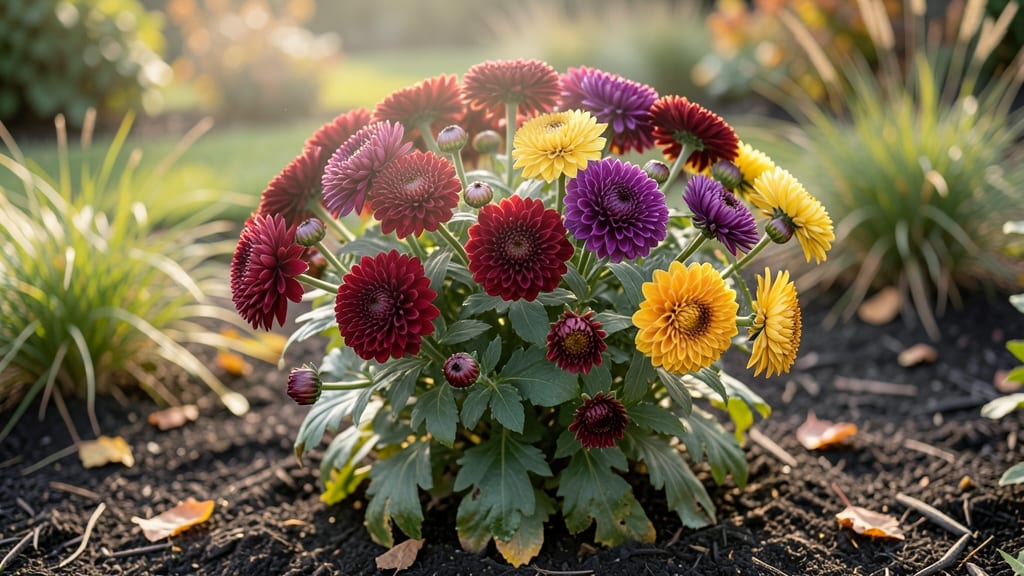
Mums flowers bloom in late summer to fall 🌼, but timing depends on your variety, planting window, and climate zone—get it right, and you’ll enjoy vibrant color for weeks.
Picture this: you’ve just planted your fall mums, and by October, your garden is a riot of color—just in time for holiday decor. But miss the planting window, and you might end up with sparse blooms or none at all.
The key is knowing when to plant based on your USDA zone and variety, whether it’s a classic 'Autumn Joy' or a reblooming hybrid.
In Zone 6a, like where I garden, planting 4-6 weeks before frost (around late July to early August) ensures blooms by September. But in warmer zones, like 9 or 10, you can push planting into early fall for a delayed but equally stunning display.
Light exposure and fertilization also play a role—too much shade or skipping summer feeds can delay or weaken blooms.
Below, I’ll break down the exact bloom windows by variety, how to adjust for your region, and 5 pro tips to extend their seasonal splendor—so you can enjoy these cheerful flowers from late summer straight through fall.
When do mums bloom by variety: fall-blooming vs. spring-blooming types
Mums (chrysanthemums) are iconic for their fall displays, but not all varieties follow the same schedule. Most gardeners plant for autumn blooms, but some spring-blooming types and reblooming hybrids offer extended color. Understanding these differences helps you time your planting and care perfectly for seasonal impact.
The classic fall varieties like 'Autumn Joy' and 'Mammoth' thrive with 4-6 weeks of cool temperatures after planting. Meanwhile, spring-blooming mums like 'Springtime' need winter chilling to trigger buds. Even light exposure plays a role—6+ hours of sun accelerates blooming, while partial shade delays it slightly.
Here's how to match your mum varieties to the right bloom windows:
For standard fall varieties, timing is everything. Plant 'Autumn Joy' in late July for blooms in late September. These varieties rely on shortening daylight to trigger flowering, so early planting ensures they're ready for fall's cooler temps.
In warmer climates (Zones 8-10), they may bloom earlier—sometimes as early as August.
If you're growing spring-blooming mums, the secret is winter chilling. These varieties need 4-6 weeks below 50°F to set buds. In Zone 5 or colder, they'll bloom naturally.
But in warmer zones (6-10), you may need to plant in fall and overwinter them to break dormancy in spring.
My reblooming hybrids like 'Medallion' are my favorite for extended color. They'll bloom in September and often rebloom in October if you deadhead spent flowers and fertilize lightly with a 10-10-10 blend every 4-6 weeks.
These varieties are perfect for containers or garden beds where you want two waves of color.
Light exposure can shift bloom times by 1-2 weeks. Mums in full sun (6+ hours) will bloom earlier than those in partial shade. For example, my 'Autumn Joy' in a south-facing bed blooms 2 weeks earlier than the same variety in morning sun only.
If you're in a shady spot, choose dwarf varieties like 'Pompon'—they tolerate 3-4 hours of sun and still deliver compact blooms.
Pro tip: For late-season color, try 'Mammoth' varieties. These giants need early planting (June) to establish roots before their October-November bloom window. Their large, showy flowers make them standout focal points in fall arrangements or garden borders.
To maximize your mum's bloom potential, pair the right variety with your local frost dates. In Zone 5, aim for late July planting of fall varieties. In Zone 9, you might plant as late as early September for winter blooms.
Always check your last frost date and plant 4-6 weeks beforehand for peak seasonal color
Mums bloom time by USDA climate Zones: adjusting planting for your region
Your USDA climate zone dictates when to plant mums for fall blooms—or even spring! In Zones 3-6, frost-sensitive varieties need early summer planting to bloom before winter arrives.
Meanwhile, Zones 7-10 gardeners can plant later, often extending blooms into early winter. The key? Count back 4-6 weeks from your first frost date to determine planting time.
For example, in Zone 7 (like Virginia or Missouri), plant mums in early July for late September blooms.
In Zone 9 (California or Florida), you can plant as late as mid-August and enjoy blooms until November. Reblooming hybrids like 'Dynasity' are more forgiving, but standard types need precise timing to avoid frost damage.
Frost-sensitive varieties (e.g., 'Autumn Joy') require extra care in Zones 3-5. Plant them by June 15 to ensure blooms appear before the first frost in late September or October. In Zones 8-10, where winters are mild, you can push planting to late August for a delayed but vibrant display.
| USDA Zone | Ideal Planting Window | Bloom Time | Notes |
|---|---|---|---|
| 3-4 | Mid-May to early June | Late August to early October | Early planting needed; use cold-hardy varieties. |
| 5-6 | Early June to mid-July | Mid-September to late October | Standard varieties thrive; pinch back for bushier growth. |
| 7-8 | Late June to early August | Late September to November | Reblooming types excel; plant later for winter color. |
| 9-10 | Mid-July to mid-September | October to December | Mild winters allow extended blooms; use containers for flexibility. |
If you’re in a warmer zone (9-10), consider spring planting for summer blooms. Varieties like 'Springtime' thrive when planted in February or March, offering color when other flowers fade.
For container gardening, adjust planting dates by 2-3 weeks earlier—containers heat up faster and dry out quicker, accelerating growth.
To extend bloom time, mulch around plants in late summer to insulate roots and protect from early frosts. In Zones 3-6, bring potted mums indoors before temperatures drop below 20°F to preserve them for next year.
In Zones 7-10, a light fall fertilizer (like 10-10-10) can prolong blooms by 2-3 weeks.
Pro tip: Check your local frost dates using the USDA Plant Hardiness Zone Map or a frost calendar app. Adjust planting by 1-2 weeks if your area has unpredictable weather. With the right timing, your mums will bloom reliably—year after year—adding seasonal color to your garden. 🌼