
Flowers
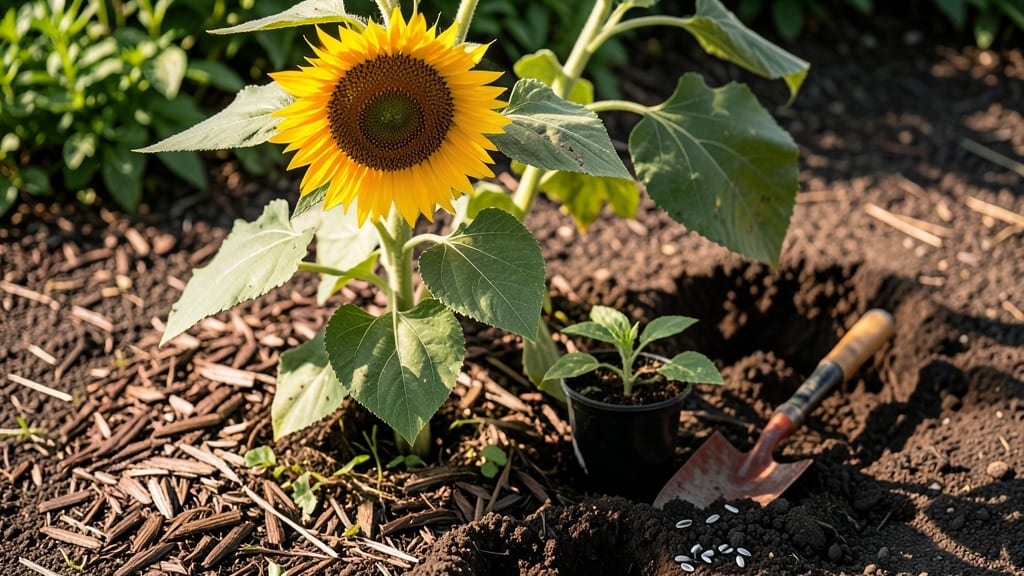
Planting sunflowers in Missouri between mid-April and mid-June ensures they’ll reach their towering 🌻 potential before fall frosts arrive.
Missouri’s unpredictable spring weather can make sunflower planting a gamble—but timing it right ensures towering blooms and zero frost damage. Follow this science-backed frost-date guide to plant sunflowers exactly when they’ll thrive in the Show-Me State.
In USDA zones 5b-6b, waiting until the soil warms to at least 50°F (around mid-April in most regions) is the key to strong germination.
Giant varieties like ‘Russian Giant’ need the full 120-day growing season, while dwarf types like ‘Teddy Bear’ can handle later starts if planted by early June.
Below, I break down the exact frost dates by region, how to read your soil’s readiness, and the one mistake that kills sunflowers before they even bloom. Let’s get those seeds in the ground at the perfect moment.
Missouri sunflower planting calendar: frost dates by region (2024 guide)
Missouri’s 5 distinct microclimates create wildly different frost timelines—planting sunflowers too early in northern St. Louis risks frost damage, while southeastern regions can start weeks earlier. This guide breaks down exact frost dates for Missouri’s top 5 areas, plus variety-specific planting windows to maximize your sunflower’s growth potential.
Sunflowers thrive when planted after the last frost but before mid-summer heat. In Missouri, that means April through June for most varieties, but dwarf sunflowers can handle slightly later starts. The key? Soil temperature must reach 50°F+—use a soil thermometer to confirm readiness.
Here’s the region-by-region breakdown of frost dates, planting windows, and USDA zone adjustments for Missouri’s 5b-6b climate zones. Adjust for late frosts by waiting until May 1 in high-risk areas like Kansas City or Columbia.
For giant sunflowers like Russian Giant or Mammoth, stick to the earlier planting windows—these varieties need 120+ days to mature. Dwarf sunflowers like Teddy Bear or Moulin Rouge are more forgiving and can handle late starts up to June 1 in most regions.
Missouri’s southeastern corner (like Poplar Bluff) gets a 3-week head start compared to northern St. Louis. If you’re in USDA Zone 7a, you can even plant early varieties as soon as late March, but wait until soil warms to 55°F+ to avoid seed rot.
Pro tip: Use black plastic mulch to warm soil faster in cooler regions like Kansas City. This can shave 1-2 weeks off your planting timeline by raising soil temperature 5-10°F. Just remove it once sprouts emerge to prevent overheating.
If you’re unsure about frost dates, check the Missouri State Climatologist’s office or use a
5 Signs your Missouri sunflower planting time is perfect (avoid these mistakes)
Planting sunflowers in Missouri isn’t just about picking a date—it’s about reading the environmental cues that guarantee strong, healthy growth. One late frost or cold snap can turn your towering sunflowers into sad, stunted plants.
The key is understanding soil temperature, nighttime lows, and Missouri’s 30-day frost-free rule to avoid common mistakes that derail growth before blooming.
Missouri’s spring weather is famously unpredictable, with last frost dates varying by region. In northern areas like St. Louis, the average last frost is around April 15, while southern regions like Springfield can plant as early as mid-March.
But don’t let averages fool you—your local microclimate matters more than calendar dates. Always wait until nighttime temperatures consistently stay above 50°F before planting.
- 1 Soil temperature hits 60°F+ at 2-inch depth. Use a soil thermometer—cold soil delays germination.
- 2 Nighttime lows stay above 55°F for 5+ days. Check your local extended forecast—cold snaps can kill seedlings.
- 3 30-day frost-free window remains. Plant 60-90 days before your area’s first frost date to ensure full maturity.
- 4 Seedlings emerge within 7-14 days. If they don’t sprout in this window, the soil was too cold—replant immediately.
- 5 First true leaves appear within 3 weeks. Delayed growth signals poor soil conditions—amend with compost before stress sets in.
One of the biggest mistakes Missouri gardeners make is planting sunflowers too early in hopes of a longer growing season. Cold, wet soil slows germination and invites fungal diseases. If you plant in March, use a cloch or row cover to protect seedlings until soil warms.
Another error? Skipping soil prep—sunflowers need well-draining soil rich in organic matter to support their rapid growth.
Even if you nail the timing, overcrowding can stunt your sunflowers. Space dwarf varieties 12 inches apart and giants 24+ inches apart. Thin seedlings to avoid competition for nutrients and sunlight.
And here’s a pro tip: Direct-sow seeds instead of starting indoors—sunflowers hate transplanting and may bolt or produce smaller blooms if disturbed.
Once your sunflowers are in the ground, monitor for pests like sunflower moths and diseases like powdery mildew. A light mulch around the base keeps soil moist and deters weeds, while pruning lower leaves improves airflow.
With the right timing and care, your Missouri sunflowers will reward you with vibrant blooms that attract pollinators and add height to your garden. 🌻