
Flowers
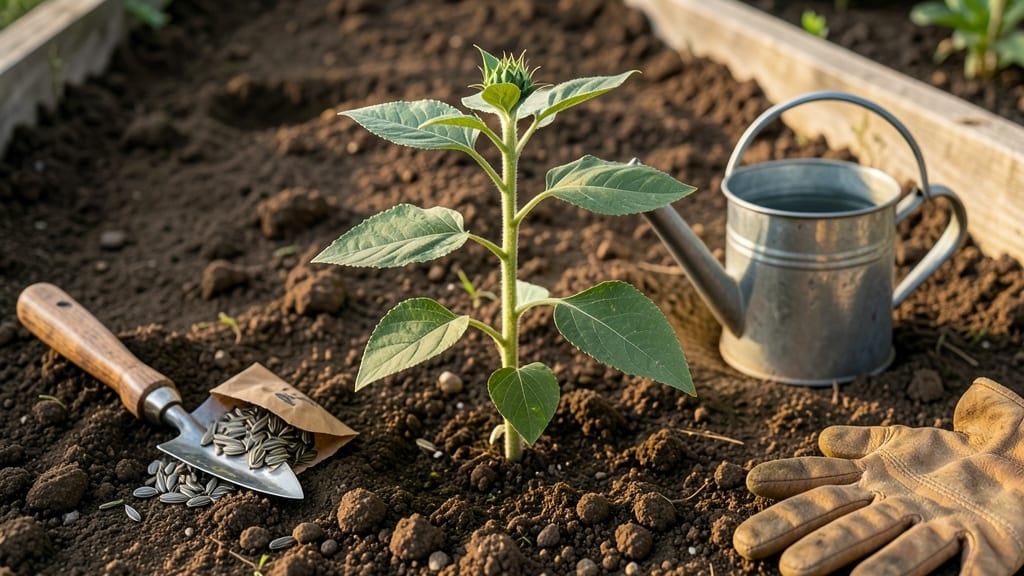
Plant sunflowers in Oklahoma after your last spring frost, when soil temperatures hit 60°F—typically mid-April in most zones.
Sunflowers aren’t just cheerful additions to your garden—they thrive in Oklahoma’s climate, but timing is everything to avoid frost damage and maximize blooms. Plant too early, and you risk losing tender seedlings; too late, and your sunflowers may never reach their full towering glory.
With Oklahoma’s USDA Zones 6b–8a, you’ve got a short window to get seeds in the ground before summer heat sets in. The key is watching for those first warm days when the soil stays consistently above 55°F—that’s when germination takes off.
Below, I’ll break down the exact frost-free deadlines by zone, the best varieties for Oklahoma’s heat, and how to prep your soil for 6-foot-tall blooms by summer.
Oklahoma sunflower planting deadlines by hardiness zone (with frost risk dates)
Oklahoma’s sunflower planting windows depend heavily on your USDA hardiness zone and last frost dates. Most of the state falls within zones 7a-8a, where spring planting typically occurs after the average last frost date—usually between mid-March and early April for urban areas like Oklahoma City and Tulsa.
Rural areas in western Oklahoma may see frost-free conditions 1-2 weeks earlier.
For fall planting, Oklahoma gardeners can experiment with late summer sowings (August-September) in zones 7b-8a, though success depends on soil warmth and frost timing.
Fall-planted sunflowers often mature faster due to longer daylight hours in late summer, but they must reach 3-4 inches tall before first frost (typically mid-November).
Soil temperature is critical for germination. Sunflower seeds need soil temps above 60°F (15°C) to sprout reliably. In Oklahoma, this usually aligns with late April for most zones, but warmer western regions may hit this threshold by mid-April.
Use a soil thermometer to confirm—cold soil delays germination and invites fungal diseases.
In urban areas like Oklahoma City, where microclimates can delay frost, wait until mid-April to plant. If you’re in rural western Oklahoma, you can start as early as late March, but monitor nighttime temperatures—sunflowers won’t tolerate below 50°F (10°C) for extended periods.
For container gardening, extend your window by 2-3 weeks since pots warm faster.
For fall planting, prioritize dwarf varieties like 'Teddy Bear' or 'Moulin Rouge,' which mature in 60-75 days. Plant these in late August to ensure they bloom before first frost.
In zone 8a, you might even get two harvests—one from spring plantings and another from fall sowings. Just be prepared to cover seedlings if a late frost sneaks in.
Oklahoma’s summer heat can stress sunflowers if planted too late. Aim to finish planting by mid-May in most zones to avoid bolt-stage delays or flower drop. Late plantings may still produce blooms, but they’ll be smaller and less vibrant.
If you’re experimenting with fall sunflowers, choose heat-tolerant varieties like 'Autumn Beauty' and plant by August 15 at the latest.
Pro tip: Use black plastic mulch to warm soil faster in spring, or straw mulch to retain moisture during Oklahoma’s hot, dry summers. Both methods help extend your planting window by 1-2 weeks in either direction. Just avoid mulching
Best sunflower varieties for Oklahoma’s heat and humidity (with planting time adjustments)
Oklahoma’s summer heat and humidity can be tough on sunflowers, but the right varieties thrive under these conditions. Heat-tolerant types like 'Moulin Rouge' and 'Autumn Beauty' handle the 90°F+ days better than traditional varieties, while shorter-season types like 'Teddy Bear' bloom faster to avoid late-summer stress.
Choosing the right variety isn’t just about size—it’s about matching your planting window to the variety’s needs.
For Oklahoma’s USDA Zones 7a-8a, timing is critical. Most sunflowers need 75-90 days to mature, so planting too late risks stunted growth from early fall frosts. However, heat-tolerant varieties can handle late starts better.
Dwarf varieties like 'Little Becka' are perfect for containers and small spaces, while giants like 'Russian Giant' need full sun and deep soil to support their towering height.
Heat-tolerant varieties like 'Moulin Rouge' and 'ProCut' are my top picks for Oklahoma’s summers. These types can handle the 90°F+ temperatures and still produce vibrant blooms. Plant them in May or June to avoid early-season frosts while giving them time to mature before fall.
For early spring planting, opt for faster varieties like 'Teddy Bear', which bloom in as few as 55 days.
If you’re growing sunflowers in containers or small spaces, dwarf varieties like 'Autumn Beauty' or 'Little Becka' are ideal. They handle Oklahoma’s heat well and don’t require as much space. Just ensure your containers have drainage holes to prevent root rot during the humid summer months.
For giant varieties like 'Russian Giant', plant them in well-draining soil and stake them early to support their weight.
Adjust your planting schedule based on your microclimate. Urban areas like OKC or Tulsa may experience heat islands, so plant heat-tolerant varieties slightly later. Rural areas with cooler nights can handle earlier plantings.
Always monitor your soil temperature—sunflowers germinate best in soil that’s at least 60°F. Use a soil thermometer to check before planting.
Finally, don’t forget to mulch around your sunflowers to retain moisture and regulate soil temperature. A 2-3 inch layer of mulch helps protect roots from extreme heat and keeps weeds at bay.
With the right variety and timing, your sunflowers will flourish in Oklahoma’s challenging climate, adding color and joy to your garden all summer long. 🌻