
Flowers
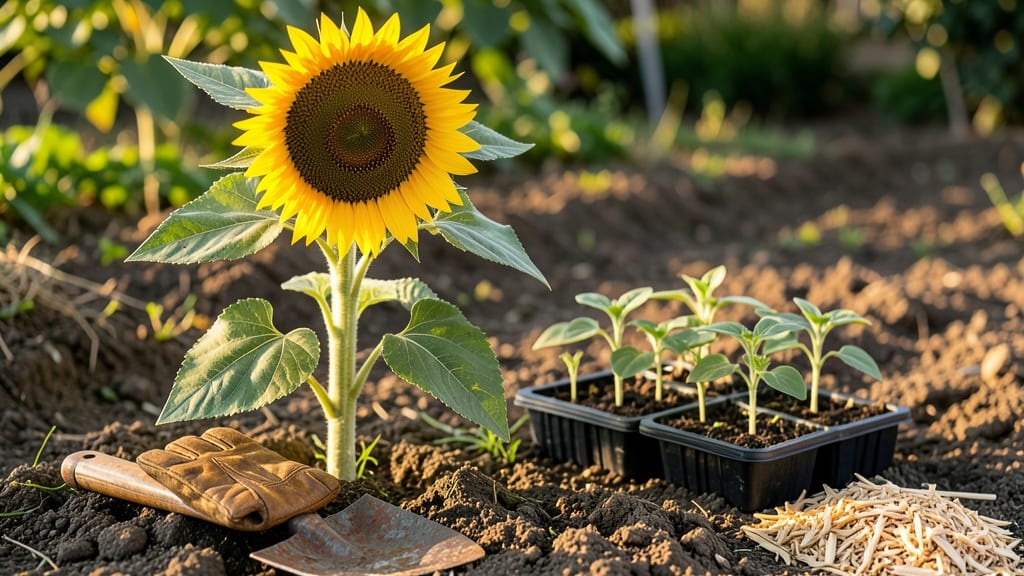
Planting sunflowers in Texas after the last frost date—typically mid-March to early July—sets them up for fast, towering growth and vibrant blooms before fall.
Sunflowers thrive in Texas’ long, hot summers—but planting them at the wrong time can mean stunted growth or even failure. Get the timing right, and you’ll enjoy towering blooms that attract pollinators and brighten your garden all season.
In USDA zones 8a-10b, the key is planting 60-90 days before the first frost—usually by late May in North Texas or September in South Texas. This ensures your 🌻 sunflowers mature before cooler weather slows them down.
Below, I’ll break down the exact frost-date timeline by zone, the best varieties for Texas heat, and pro tips to keep your sunflowers thriving from seed to bloom.
Texas sunflower planting timeline by hardiness Zone: avoid frost & heat stress
Texas gardeners know sunflowers love the heat—but timing is everything. Plant too early, and frost can damage tender seedlings. Plant too late, and your blooms may struggle in summer’s peak heat. The key is aligning your sunflower planting with your USDA hardiness zone and local last frost dates.
In Texas, zones 6a–9b offer wildly different climates, from chilly North Texas to steamy South Texas.
For most Texas regions, the ideal planting window stretches from mid-March to early July. However, gardeners in Zone 9b can push planting into late summer for fall blooms, while those in Zone 6a must start seeds indoors or use row covers.
Understanding these frost-date nuances ensures your sunflowers reach their full 6–16-foot potential before winter’s first chill.
| Zone | Last Frost | First Frost | Best Planting Months | Fall Planting Window | Notes |
|---|---|---|---|---|---|
| 6a (North Texas) | February 15 | December 1 | April–June | September 1–15 | Use row covers for early starts |
| 7a (Central Texas) | March 1 | November 15 | March–July | August 15–September 30 | Direct sow after soil warms |
| 8a (East/Central) | February 28 | December 15 | March–June | September 1–30 | Heat-tolerant varieties preferred |
| 9a (South Texas) | January 15 | November 30 | February–July | August 1–October 15 | Late summer planting thrives |
| 9b (Deep South) | January 1 | November 15 | January–August | September–October | Year-round growth possible |
In Zone 6a, where frosts linger into February, I recommend starting seeds indoors by mid-March or using row covers for direct sowing in April. This gives seedlings a head start before the last frost on February 15.
For Zones 7a–8a, direct sow seeds after March 1 for early blooms, or wait until May to avoid peak summer heat stress.
Gardeners in Zones 9a–9b have the most flexibility. I’ve successfully planted sunflowers as late as August 15 for fall blooms, with varieties like 'Autumn Beauty' thriving until December. The key is choosing heat-tolerant varieties and providing consistent water during Texas’ brutal summer months.
For fall planting, aim to sow seeds 8–10 weeks before your first frost. In Zone 6a, that means September 1–15, while Zone 9b gardeners can extend planting to October 15. Fall sunflowers often produce larger blooms because they grow undisturbed by pests and heat stress.
Pro tip: Adjust
Best sunflower varieties for Texas heat: fast-growing vs. tall-blooming options
Texas summers bring intense heat and long growing seasons—perfect for sunflowers that thrive under 90°F+ temperatures. The key is choosing varieties that balance heat tolerance with your goals: quick blooms for summer color or towering stalks for fall harvests.
Fast-growing types like 'Moulin Rouge' reach maturity in 60-70 days, while tall varieties like 'Russian Giant' take 80-100 days but reward you with 12-foot stalks.
For North Texas (Zones 7b-8a), prioritize early-maturing varieties to avoid fall frosts that can damage blooms. In South Texas (Zones 8b-9a), you can push planting later into summer, but shade cloth helps protect seedlings from 100°F+ soil temperatures.
Always space plants 12-36 inches apart depending on the variety to ensure airflow and reduce disease risk.
If you're planting for summer color, 'Moulin Rouge' is my top pick—its red-petaled blooms thrive even when temperatures hit 105°F. For fall harvests, 'Russian Giant' delivers dramatic height, but stake seedlings early to prevent wind damage during Texas storms.
Always plant seeds 1 inch deep in well-drained soil to avoid rot in our heavy clay regions.
Pro tip: Mix varieties for extended blooms. Plant 'Teddy Bear' in May for early summer color, then add 'Autumn Beauty' in June to keep flowers appearing until first frost.
This creates a continuous pollinator buffet from bees to butterflies. Just remember to deadhead spent blooms to encourage more flowers.
For container gardening in urban Texas, choose dwarf varieties like 'Teddy Bear' or 'Moulin Rouge'. These handle heat stress better than tall types and fit in 5-gallon pots with 12-inch spacing.
Use a lightweight potting mix to prevent pots from cracking under 110°F+ temperatures. Water containers daily in peak heat to prevent wilting.
My final advice? Start with 2-3 varieties to test what works best in your microclimate. Texas' variable rainfall means some years you'll need extra irrigation, while others bring flash floods.
Always mulch around plants with 2-3 inches of straw to retain moisture and regulate soil temperature—this makes all the difference in our extreme heat. With the right choices, your sunflowers will <