
Flowers
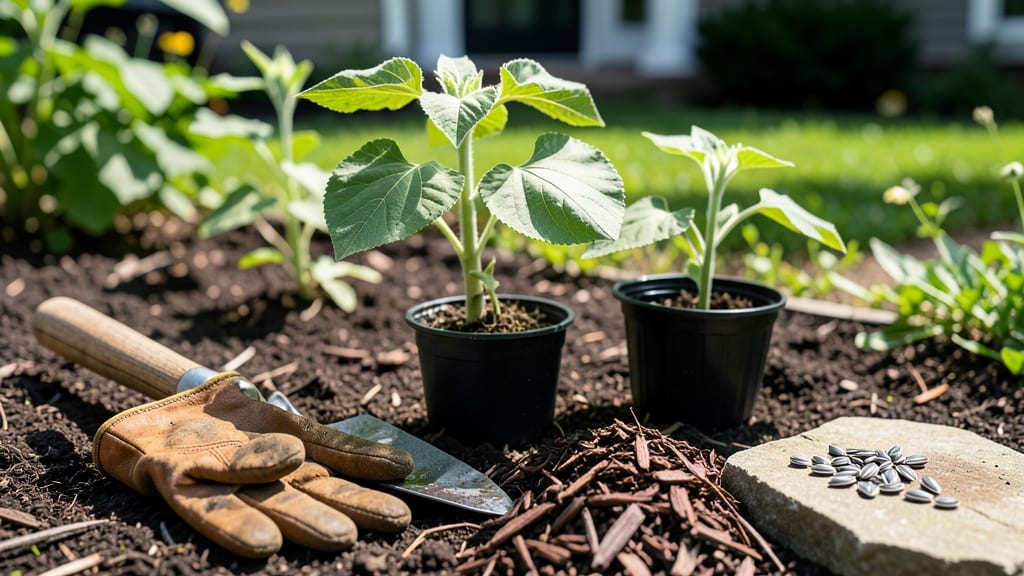
Planting sunflowers in Texas for doves means timing your seeds to align with dove migration and Texas’s late spring heat—typically between March and June, depending on your USDA zone.
Sunflowers aren’t just beautiful—they’re a dove magnet, offering vital seeds that attract these gentle birds to your Texas garden. But timing is everything: plant too early, and frost threatens; too late, and your sunflowers may bolt before doves arrive.
In North Texas (zones 8a-8b), aim for early April to ensure seeds mature before summer’s peak dove activity. Meanwhile, South Texas gardeners (zones 9a-10b) can start as early as mid-March to take full advantage of the longer growing season.
Below, I’ll break down the best varieties for dove-friendly gardens, soil prep tips, and how to keep your sunflowers thriving so doves have a reliable food source all season long.
Texas USDA zones & ideal sunflower planting months for doves
Texas spans USDA zones 6 through 10, creating dramatic differences in frost timing and growing seasons. For doves, your goal is to have mature sunflower seeds available from late spring through summer—when these birds migrate and nest.
Plant too early in cooler zones, and frost can kill tender seedlings. Plant too late, and your sunflowers may bolt before doves arrive. Let’s align your planting schedule with Texas’s unique climate zones.
Doves rely on sunflower seeds as a high-energy food source, especially during nesting season. The key is planting sunflowers that mature between 70-90 days to ensure seeds are ready when doves need them most.
Texas’s frost-free period ranges from 210 days in zone 8 to 300+ days in zone 10, giving you flexibility—but timing still matters. Below, we’ll break down the best planting months for each zone, plus soil prep tips to boost success.
In USDA zone 6, where frost lingers until mid-February, focus on planting April-May for sunflowers to mature by late summer. Choose fast varieties like Teddy Bear, which produces seeds in just 70 days.
Amend heavy clay soils with compost to improve drainage—doves won’t visit if your plants struggle to grow.
Zone 7 and 8 gardeners have more flexibility. Plant in March-April for a summer seed harvest. For zone 7, test your soil’s pH level—doves thrive when sunflowers grow strong, and acidic soil can stunt them.
In zone 8, mulch around plants to lock in moisture, especially during Texas’s scorching summer.
Southern Texas’s zones 9 and 10 offer unique opportunities. In zone 9, plant in January-February for a spring harvest, or try a second planting in August for fall seeds. Zone 10’s mild winters let you plant year-round, but focus on October-November for spring dove visits.
Use raised beds if your native soil is poor—doves won’t care about your gardening struggles!
Pro tip: Stagger plantings every 2-3 weeks to extend the seed harvest window. For example, in zone 8, plant one batch in February and another in March.
This ensures doves have a continuous food source from late spring through summer. Pair sunflowers with millet or safflower for extra bird appeal.
Before planting, loosen soil to a depth of 12 inches and mix in 2 inches of compost. Sunflowers are drought-tolerant once established, but young plants need consistent moisture.
Water deeply 2-3 times per week until seedlings reach 6 inches tall. After that, reduce to once weekly unless your area faces extreme heat.
Remember, doves prefer unshelled seeds, so avoid harvesting sunflower heads too early. Wait until the back turns yellow-brown and petals w
How to choose sunflower varieties that doves love (and when to plant them)
Not all sunflowers are equal when it comes to attracting doves. These birds prefer varieties with large, open seed heads and fast maturation to ensure seeds are available during their peak visiting season.
In Texas, dove populations thrive from April through October, so timing your planting to align with their schedule is key. The right variety can mean the difference between a brief visit and a daily dove buffet in your garden.
Doves love sunflowers with big, accessible seeds—think varieties like Mammoth or Russian Giant, which produce seed heads over 6 inches wide. Smaller varieties like Teddy Bear sunflowers also work but may require more plants to provide enough seeds.
The goal is to create a continuous food source as doves migrate through Texas or nest in your area.
| Variety | Height (ft) | Seed Head Size | Days to Mature | Best Planting Months (TX) | Dove Appeal |
|---|---|---|---|---|---|
| Mammoth | 10-16 | 6-12 inches | 80-120 | March-May | ⭐⭐⭐⭐⭐ (Best for large flocks) |
| Russian Giant | 12-14 | 8-10 inches | 70-90 | February-April | ⭐⭐⭐⭐⭐ (Early seeds for migrating doves) |
| Teddy Bear | 3-5 | 4-6 inches | 50-60 | April-June | ⭐⭐⭐⭐ (Compact, great for small gardens) |
| Autumn Beauty | 5-6 | 4-5 inches | 60-70 | March-May | ⭐⭐⭐ (Colorful, but smaller seeds) |
| Pro Cut | 6-8 | 5-6 inches | 55-65 | April-June | ⭐⭐⭐⭐ (Fast-maturing, great for late summer) |
For North Texas (USDA Zones 7-8), aim to plant Russian Giant or Mammoth sunflowers in late February to early April. These varieties mature quickly enough to provide seeds by June or July, when doves are most active.
In South Texas (Zones 9-10), you can extend your planting window to January through May, but focus on fast-maturing types like Pro Cut or Teddy Bear to avoid summer bolting.
Doves also appreciate staggered planting. Instead of sowing all your seeds at once, try planting one variety in March and another in May or June. This ensures a continuous seed supply from early summer through fall, giving doves a reliable food source as they prepare for migration.
Even a 10-foot row of Teddy Bear sunflowers can attract doves if planted in stages.
When selecting seeds, look for open-pollinated varieties—they produce the largest, most accessible seeds for doves. Avoid hybrid sunflowers unless they’re labeled as open-pollinated, as their seeds may not be as appealing to birds.
Once your sunflowers mature, leave the seed heads intact until they’re completely dry. Doves will visit daily to forage, and you’ll enjoy watching these gentle birds up close.
Pro tip: Plant sunflowers near water sources or sheltered areas like shrubs or fences. Doves feel safer foraging when they have nearby cover, and a shallow birdbath can encourage them to linger in your garden.
With the right varieties and timing, your Texas garden can become a dove haven—and you’ll have front-row seats to watch these charming birds enjoy your sunflower bounty. 🌻