
Flowers
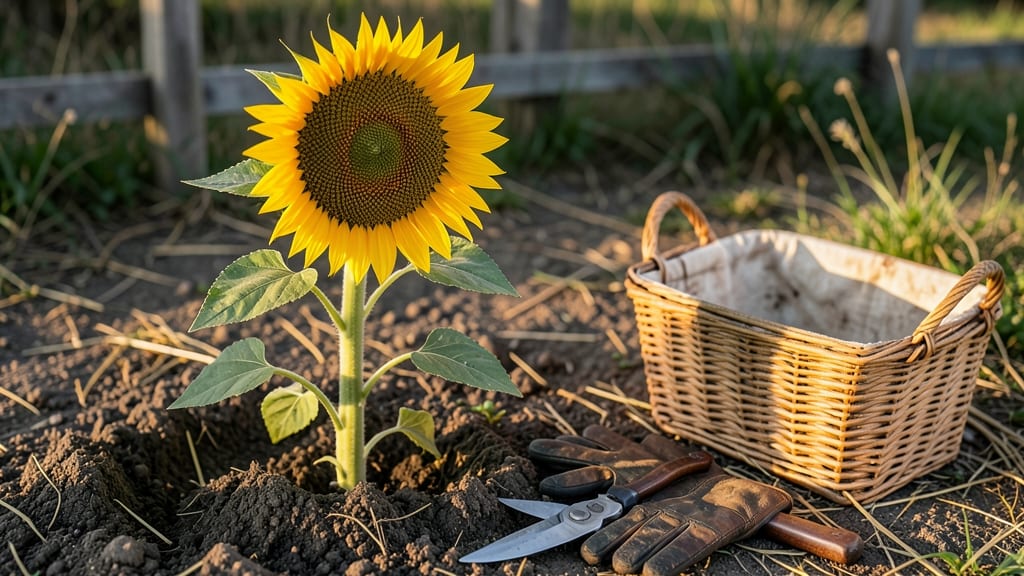
To pick sunflowers at their peak means waiting for the petals to droop and the seed head to firm up—a sweet spot between freshness and seed maturity.
Picture this: you’ve nurtured your 🌻 all season, and now the moment arrives—harvest too soon, and the seeds taste bitter or won’t store well. Wait too long, and birds or weather ruins your hard work.
The difference between a perfect harvest and a wasted one comes down to timing, and I’ve got the exact cues to help you nail it.
Whether you’re saving seeds for next year, pressing oil, or simply enjoying the beauty, knowing when to cut stems makes all the difference. Below, I’ll walk you through the three key stages—from petal perfection to seed readiness—and how to test maturity with a simple finger press.
You’ll also learn how to handle post-harvest care, from drying techniques to storage tips, so your sunflowers stay fresh (or viable) for months. Let’s get started!


3 Exact stages to harvest sunflowers for edible petals, seeds & oil
Sunflowers reach their peak at different stages, each offering unique harvests—delicate petals for garnishes, tender seeds for snacking, and mature seeds for oil extraction. Timing matters: harvest petals too late, and they’ll wilt; pick seeds too early, and they’ll be bitter or underdeveloped.
Here’s how to identify the perfect moment for each harvest stage, adjusted for your growing zone.
In USDA Zones 3-5, sunflowers mature faster due to shorter summers, so monitor daily for readiness. Meanwhile, gardeners in Zones 8-10 have more flexibility but must watch for humidity-related rot or pest pressure. Always harvest on dry mornings to preserve quality—never after rain or when dew is present.
🌻 3 Stages to Harvest Sunflowers
-
Stage 1: Bud Stage (Petals)
Harvest fully closed buds (2-3 days before opening) for edible petals. Look for tight, green buds with no yellow showing. Cut stems at a 45° angle to encourage water uptake. -
Stage 2: Early Bloom (Seeds)
Pick when petals start drooping and back turns yellow. Seeds should feel firm but pliable when pressed. Harvest by morning to avoid seed loss to birds. -
Stage 3: Full Maturity (Oil/Seeds)
Wait until petals fully brown and seed head feels dry. Press a seed—if it’s hard and black, it’s ready for oil or storage. Leave on plant until back of head browns to prevent shattering.
For petal harvests, focus on varieties like 'Teddy Bear' or 'Moulin Rouge', bred for double blooms. These stay closed longer, giving you a wider window (3-5 days) to harvest. In contrast, single-stem varieties like 'Russian Giant' open faster—watch for petal color shifts from bright yellow to pale gold.
When harvesting seeds for oil, prioritize dry, warm days (75°F+). Humidity speeds up mold growth, so avoid harvesting if forecasts predict rain within 24 hours. Store seeds in a cool, dark place (60-70°F) with 50% humidity or less to prevent spoilage.
Climate adjustments are key: in cooler zones (3-5), seeds mature 2-3 weeks earlier than in warmer zones (8-10). Use a planting calendar to track first frost dates—harvest oil seeds 4-6 weeks before frost to avoid moisture damage.
In Zone 10, extend harvests into November if frost isn’t imminent.
Pro tip: Mark your calendar 60-70 days after planting—this is the ideal window for most varieties. Use a sharp pruner to cut stems 2-3 inches below the head, leaving a small stem stub to prevent lodging.
Hang harvested heads upside down in a dry, shaded area for 2-3 weeks to fully dry seeds.
Overlooking these cues leads to common mistakes: bitter petals (harvested too late), underdeveloped seeds (picked too early), or shattered heads (left too long). By mastering these three stages, you’ll maximize yields for culinary, ornamental, and oil uses—all from the same plant! 🌱
How to test sunflower seed maturity (the 3-Step finger press method)
Harvesting sunflower seeds at the perfect moment ensures maximum flavor, oil content, and viability for replanting. The 3-step finger press method is my go-to technique for testing seed maturity—it’s foolproof and requires no special tools.
Overripe seeds lose oil quality and sprout poorly, while underripe ones yield bitter flavors. Let’s master this simple test to avoid common mistakes like waiting too long or harvesting too soon.
Start by selecting a fully closed sunflower head with no remaining petals. The back of the head should show brown or tan streaks where the petals once attached. If you see mostly green, the seeds aren’t ready yet.
This method works best in the morning after dew has dried, as moisture can skew your results. Grab a sunflower head and let’s begin!
- Step 1
- Step 2
- Step 3
Once you’ve confirmed maturity, harvest the sunflower head by cutting the stem 1–2 feet below the flower with clean shears. Hang the head upside down in a dry, dark place (like a garage or shed) for 2–4 weeks to fully dry.
Store seeds in airtight containers in a cool, dark spot—they’ll last 3–5 years if kept dry. For oil extraction, process seeds within a few months for peak quality.
Avoid these common mistakes: harvesting when birds have already pecked at the seeds, waiting until the head splits open (seeds scatter), or storing seeds in humid conditions (mold risk). If you miss the window, you can still save seeds from partially mature heads, but germination rates drop.
For edible petals, harvest when fully open but before the back turns yellow—this ensures sweetness.
Now that you’ve mastered the finger press test, you’ll never second-guess sunflower seed maturity again. Happy harvesting! Whether you’re saving seeds for next year’s garden or pressing oil, this method guarantees peak quality every time. 🌻