
Plants
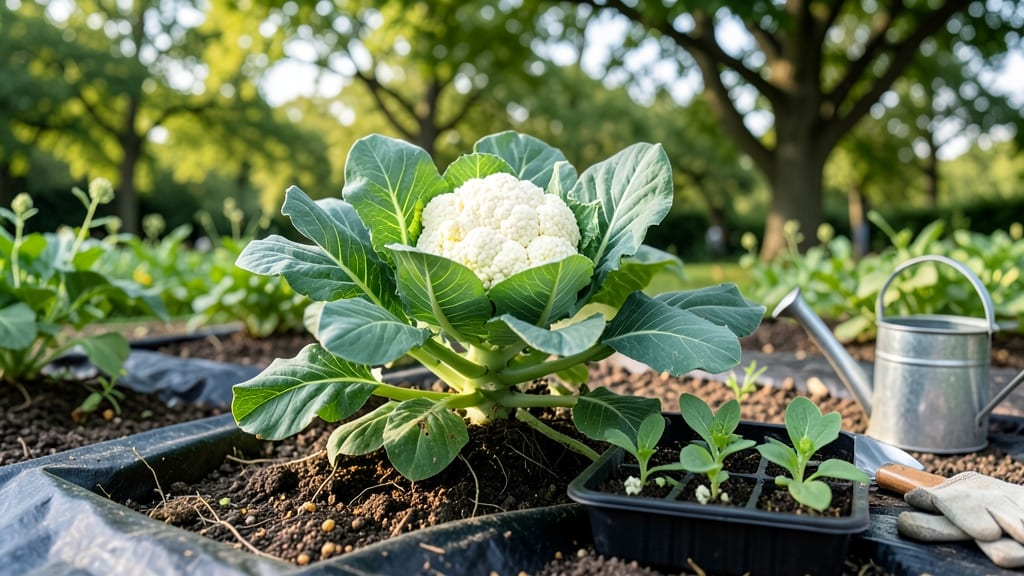
To plant cauliflower in Florida, aim for September–October for fall harvests or February–March for spring, aligning with the state’s cooler seasons when 🥬 thrives.
Miss these windows, and you’ll fight bolting or stunted growth—something I learned the hard way after a May transplant produced nothing but bitter leaves. Florida’s heat is unforgiving, but the right timing turns this challenge into a garden triumph.
Below, I break down the exact months for popular varieties like Snowball and Purple of Sicily, how to prep soil for Florida’s sandy mix, and why container gardening can work in zones 9a–11 if you follow these tricks.
You’ll also discover how to spot early signs of stress, adjust watering for summer’s intensity, and avoid the three biggest mistakes that kill cauliflower before harvest—no guesswork, just proven Florida hacks.
Best planting months for cauliflower in Florida by variety (fall vs spring)
Cauliflower thrives in Florida’s cool seasons, but timing is everything to avoid bolting (premature flowering) or poor yields. The two prime windows are fall (September–October) and spring (February–March), with variety-specific nuances that make all the difference.
For example, Snowball handles Florida’s mild winters better than Graffiti, which needs cooler temps to form heads. Let’s break down the best months for each variety and how to maximize your harvest.
Florida’s USDA Zones 9a–11 mean frost is rare, but heat stress is the real enemy. Cauliflower bolts when temperatures exceed 75°F for prolonged periods, so shade cloth and mulching become your best friends.
The fall crop (planted September–October) matures just in time for December–January harvests, while the spring crop (planted February–March) avoids summer heat and yields in May–June. Choose the right variety and plant at the right time, and you’ll enjoy crisp, homegrown cauliflower year-round.
⚠️ CRITICAL NOTE: Avoid planting in July–August or April—these months push cauliflower into Florida’s hottest periods, triggering bolting or stunted growth. Instead, focus on the two optimal windows and use heat-tolerant varieties like Graffiti or Purple of Sicily to stretch your season.
For fall planting, start seeds indoors 6–8 weeks before your target transplant date (mid-August for most of Florida). Transplant seedlings into the garden when soil temps drop to 65°F or below.
In North Florida (e.g., Jacksonville, Gainesville), aim for September 1–15 to avoid early heat, while South Florida (Miami, Fort Lauderdale) can push planting to October 1–15 thanks to milder winters. Use black plastic mulch to warm soil in early fall if needed.
Spring planting is trickier in Florida because temperatures rise quickly. Seedlings should be in the ground by late February to avoid bolting as March approaches. South Florida growers can sometimes squeeze in a March planting, but yields will be smaller.
If you’re in North Florida, prioritize February 15–March 1 for the best results. Always harden off seedlings for 7–10 days before transplanting to reduce shock.
Did you know? Purple of Sicily is
How to extend cauliflower season in Florida’s heat (shade, mulch, and variety hacks)
Florida’s summer heat can turn cauliflower into a finicky crop, but with the right strategies, you can grow it year-round. The key is combating heat stress while maintaining ideal growing conditions.
I’ve found that shade cloth, mulching, and heat-tolerant varieties are game-changers for extending your harvest window beyond traditional fall and spring seasons.
Cauliflower thrives in cooler temperatures, but Florida’s 90°F+ summers can cause bolting (premature flowering) or stunted growth. By using 30-50% shade cloth and organic mulch, you can lower soil temperatures by 5-10°F, creating a microclimate perfect for cauliflower.
I’ve even grown Graffiti cauliflower in summer with these methods—it’s stunning and delicious!
🌱 5 Proven Hacks to Beat Florida’s Heat
- 1. Use 30-50% shade cloth to block intense afternoon sun while allowing morning light. I recommend Agribon AG-30 for best results.
- 2. Mulch with straw or wood chips to retain moisture and keep roots cool. A 3-inch layer works best in Florida’s heat.
- 3. Choose heat-tolerant varieties like Graffiti (purple), Purple of Sicily, or Romanesco. These handle warmth better than standard white varieties.
- 4. Water deeply in the morning to prevent wilting. Aim for 1-2 inches per week, adjusting for rain.
- 5. Transplant seedlings in late summer (August-September) for a fall harvest or early spring (February) for a spring crop.
For soil prep, I always mix in compost and aged manure before planting to improve drainage and fertility. Cauliflower needs well-draining soil with a pH of 6.0-7.0—Florida’s sandy soils often need amendments like peat moss or coconut coir to retain moisture.
I’ve seen dramatic improvements in plant health after amending my garden beds this way.
If you’re growing cauliflower in containers, opt for 10-12 inch pots with drainage holes and use lightweight potting mix. Place containers in partial shade and water more frequently since pots dry out faster.
I’ve had great success with dwarf varieties like ‘Snowball Y Improved’ in containers on my patio.
One mistake I see often is overhead watering, which can lead to fungal diseases like downy mildew. Instead, use drip irrigation or soaker hoses to deliver water directly to the roots.
This method also reduces evaporation, keeping your plants hydrated in Florida’s humid climate. Pair this with weekly foliar sprays of neem oil to prevent pests like cabbage worms.
With these strategies, you can enjoy homegrown cauliflower year-round in Florida—even during the hottest months. Start with shade cloth and mulch, then experiment with heat-tolerant varieties to find what works best for your garden. Happy growing! 🌿