
Plants
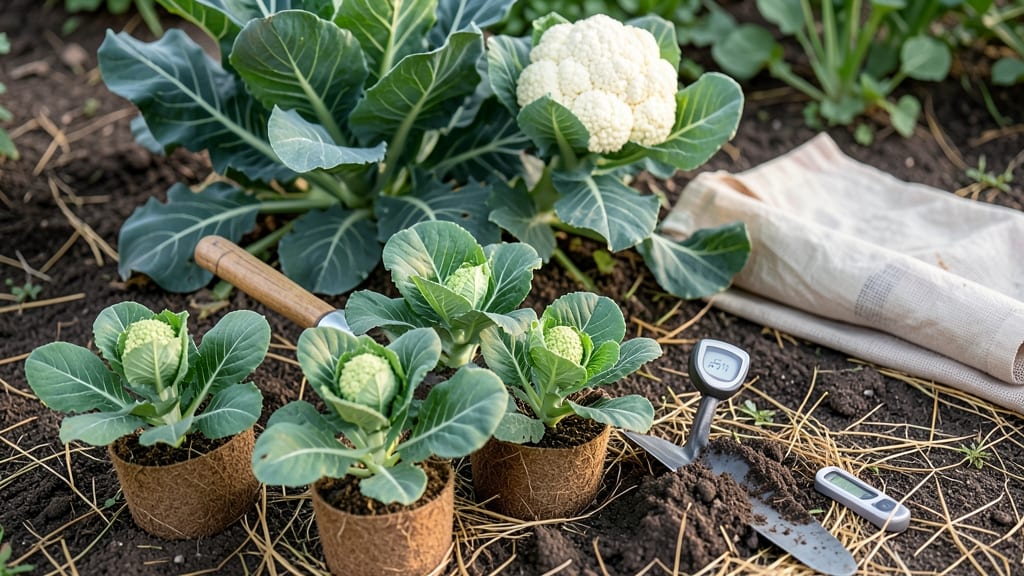
Planting cauliflower in Texas means timing your crop to avoid the brutal summer heat or late frosts that can ruin your harvest.
If you’ve ever watched your seedlings bolt in 90-degree heat or seen frost nip tender leaves, you know how critical the right window is. But with the right USDA zone deadlines, you can grow crisp, flavorful heads year-round.
Texas spans USDA Zones 7 through 10, each with its own frost dates and heat thresholds. In cooler zones like North Texas, aim for early spring or fall plantings, while South Texas gardeners can stretch their season with shade and mulch.
Below, I’ll break down the best months for your zone, how to protect your plants from Texas extremes, and the top varieties that thrive in the heat.
Texas USDA zones & best planting windows for cauliflower
Texas gardeners face unique challenges when growing cauliflower—balancing scorching summer heat and unpredictable winter frosts. Unlike cooler climates, Texas offers two prime planting windows: early spring and late summer for fall harvests.
The key lies in understanding your USDA zone (7-10) and avoiding temperatures above 85°F, which stress cauliflower plants.
Cauliflower thrives in cool-season conditions (50-75°F) and matures in 75-90 days. In Texas, this means starting seeds indoors or using shade cloth to protect young plants. Zones 7-8 (e.g., Dallas, Austin) have slightly longer growing seasons than zones 9-10 (Houston, San Antonio), where summer heat arrives earlier.
Let’s break down the exact planting deadlines for each zone.
| USDA Zone | First Frost Date | Last Frost Date | Spring Planting Window | Fall Planting Window | Heat Tolerance Tip |
|---|---|---|---|---|---|
| Zone 7 (North Texas) | Mid-November | Mid-March | February–March | July–August | Use shade cloth in summer |
| Zone 8 (Central Texas) | Late November | Late February | January–February | June–July | Plant late varieties for fall |
| Zone 9 (Gulf Coast) | December | January | September–October (cool season) | May–June | Grow in partial shade |
| Zone 10 (South Texas) | Rare (Dec–Jan) | None (year-round risk) | September–October | April–May | Use drip irrigation daily |
For Zone 7 gardeners (e.g., Dallas, Waco), spring planting starts in late February to avoid late frosts, while fall crops go in mid-July for harvest before winter chill.
In Zone 8 (Austin, San Antonio), you can push spring planting to early March and fall to late June, but use row covers to protect seedlings from heat stress.
Zones 9-10 (Houston, Corpus Christi) are trickier—cauliflower struggles with summer heat, so focus on fall and winter crops. Plant seeds in September–October for spring harvests or April–May for fall. In these zones, drip irrigation and afternoon shade are non-negotiable to prevent bolting (premature flowering).
Pro tip: Direct-sow seeds in spring (after last frost) or start indoors 6-8 weeks before transplanting. Texas soil can be heavy clay—amend with compost and sand to improve drainage. Cauliflower also needs consistent moisture, so mulch with straw to retain soil dampness during our dry spells.
Watch for cabbage worms and aphids, which thrive in Texas heat. Apply neem oil or row covers early to prevent infestations. In Zone 10, where winters are mild, you can even try year-round succession planting with shade protection, though yields may be smaller.
Timing is everything—plant too early, and frosts will kill seedlings; too late, and heat will bolt your crop. By following these zone-specific deadlines, you’ll harvest tight, flavorful heads twice a year, even in Texas’s extreme climate. 🌱
How to extend cauliflower growing season in hot Texas climates
Texas summers can push cauliflower plants to their limits, causing bolting or bitter flavors. But with the right strategies, you can grow crisp heads even in 90°F+ heat. The key is creating a cooler microclimate around your plants while meeting their cool-season needs.
I’ve tested these methods in my own Zone 9a garden—here’s what works best.
Start by focusing on shade protection and soil moisture, as these two factors directly combat heat stress. Cauliflower thrives in 55–75°F soil temps, so when daytime highs climb above 85°F, your plants will struggle.
The good news? Simple adjustments like mulching and companion planting can drop soil temps by 10°F or more.
🌱 Top 5 Heat-Beating Strategies
- 1. Shade Cloth (30–50%) – Install floating row covers or shade nets during peak afternoon sun (12–4 PM). This reduces leaf temp by 15–20°F.
- 2. Mulch Thickly (4–6") – Use straw or wood chips to insulate roots and retain moisture. Dark mulch also absorbs heat—opt for light-colored options like gravel or pine straw.
- 3. Drip Irrigation (Morning Only) – Water deeply at dawn to avoid evaporation. Add 2–3 inches of water weekly during heatwaves.
- 4. Companion Plants – Pair cauliflower with tall sunflowers or corn for afternoon shade, or low-growing herbs like thyme to reflect light upward.
- 5. Succession Planting – Sow new seedlings every 2 weeks in fall (Sept–Nov) to replace bolting plants. Avoid spring planting after March 15.
For fall crops, time your planting to coincide with cooler evenings. Aim to harvest before December’s first frost (typically Nov 15–Dec 15 in most of Texas). If you’re growing in Zone 10, you can extend harvests into early January with row covers.
Watch for heat stress signs like yellowing leaves or premature bolting. If you see these, trim lower leaves to improve airflow and reduce stress. In my garden, Graffiti cauliflower handles heat better than Snowball Y, so I prioritize it for summer-edge plantings.
Don’t overlook soil prep—amend beds with compost and aged manure before planting to boost organic matter. This helps soil retain 40% more moisture during dry spells. Pair this with regular feeding (every 3–4 weeks) using a balanced 10-10-10 fertilizer.
With these tactics, you can enjoy homegrown cauliflower from October through January—even in 100°F summers. The secret? Proactive cooling and consistent care keep your plants happy until harvest. 🌿