
Plants
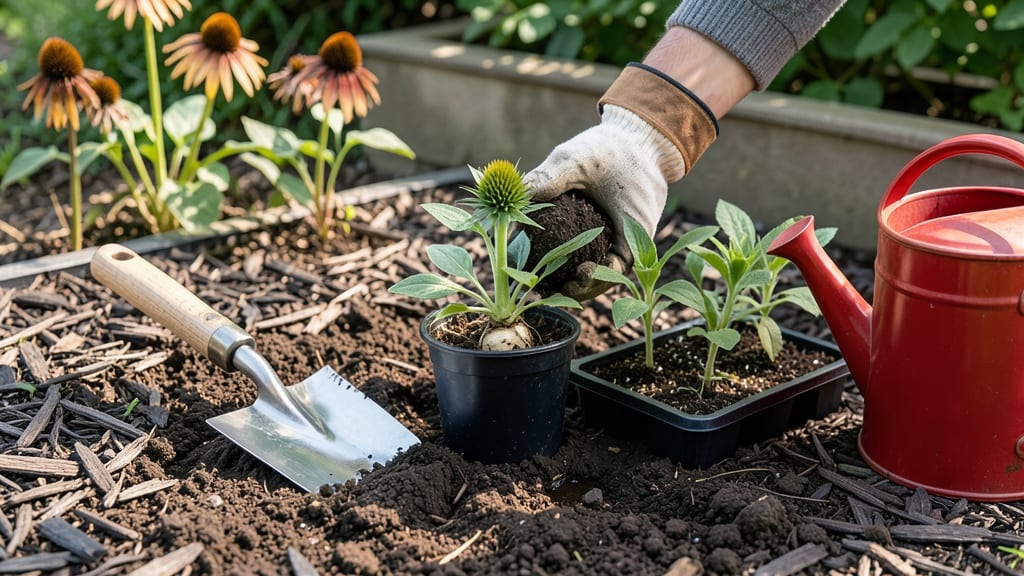
Planting coneflower bulbs at the right time ensures vibrant blooms from mid-summer until frost — and the timing depends on whether you’re in Zone 6a or beyond.
Struggling to keep your garden blooming all season? Coneflowers are the secret weapon—hardy, drought-resistant, and stunning—but planting them at the wrong time means missed blooms. The key is understanding whether your climate favors early spring or early fall planting, and how soil temperatures play a role.
Most gardeners in Zone 6a and similar regions get the best results by planting in early fall, giving roots time to establish before winter. But if you’re in a milder zone, like 7 or higher, spring planting works just as well—just avoid the heat of summer.
Below, I’ll break down the exact timing for your zone, soil prep tips, and the one mistake that kills more coneflower blooms than anything else. Ready to turn your garden into a pollinator paradise?
Best planting times for coneflower bulbs by USDA hardiness zones
Coneflowers (Echinacea) are perennial powerhouses that thrive with the right planting timing, but their bulb-like tubers need specific conditions to establish properly. Unlike true bulbs, these root crowns prefer cooler soil temps (50-60°F) to prevent rot or premature sprouting.
Your USDA hardiness zone dictates whether you plant in early fall or early spring, with exceptions for warmer climates.
Most gardeners plant coneflowers in early fall (4-6 weeks before first frost) to allow roots to establish before winter. However, in Zones 8-10, winter planting is ideal to avoid summer heat stress.
Always check your local frost dates—planting too early can trigger sprouting, while waiting too long may stunt growth.
Here’s a quick guide to avoid common mistakes: Never plant when soil temps exceed 60°F, and adjust timing for high-altitude zones (e.g., Zone 5 at 5,000 ft may need 2 weeks earlier).
Perennial varieties like Echinacea purpurea (purple coneflower) and Echinacea pallida (pale coneflower) follow these rules, while annuals (like Echinacea tennesseensis) can tolerate broader windows.
| USDA Zone | Fall Planting Window | Spring Planting Window | Soil Temp Goal | Microclimate Adjustments |
|---|---|---|---|---|
| Zones 3-5 | Mid-September to October | Early May | 50-55°F | Plant 2 weeks earlier in high-altitude areas (e.g., Denver, CO) |
| Zones 6-7 | Late September to October | Mid-April to May | 55-60°F | Avoid planting in wet springs; wait for soil to dry |
| Zones 8-9 | November to December | Late February to March | 50-55°F (cooler nights) | Mulch heavily in winter to protect from frost |
| Zone 10 | January to February | Not recommended | 55-60°F (avoid summer heat) | Plant in partial shade to reduce stress |
Pro Tip: Use a soil thermometer to confirm temps before planting. For container gardening, plant 1-2 weeks earlier than in-ground times.
In Zones 3-5, focus on fall planting—this gives roots time to anchor before winter.
For example, in Chicago (Zone 5), aim for September 15-October 15 when daytime temps drop below 70°F. Spring planting is riskier due to late frosts, but if you must, wait until soil warms to 55°F.
For Zones 6-7, like Atlanta (Zone 7b), split your planting: 60% in late September and 40% in early May. Avoid planting in wet springs—soggy soil causes rot. Amend clay soil with compost or sand to improve drainage, a critical factor for tuber health.
Zone 8-9 gardeners (e.g., San Diego) should plant in winter to escape summer’s heat. In Zone 9, January-February planting aligns with cooler temps (50-55°F). Mulch with straw or wood chips to protect tubers from winter rains and summer drought.
In Zone 10, treat coneflowers like winter annuals. Plant in January-February when temps dip below 65°F. Provide afternoon shade to prevent heat stress. Annual varieties (like Echinacea paradoxa) can handle broader windows but still prefer cooler soil.
Microclimates matter! A high-altitude Zone 5 (e.g., Aspen, CO) may need 2 weeks earlier than sea-level areas. Similarly, urban heat islands (like Phoenix) can push Zone 9 planting into December. Always monitor local weather patterns—unpredictable frosts can ruin early plantings.
One last tip: Perennial coneflowers reward patience—plant correctly, and they’ll bloom for 5-10 years with minimal care. Skip the over-fertilizing; these drought-lovers thrive in poor soil as long as it drains well. Now grab your soil thermometer and get planting!
Signs your coneflower bulbs are ready to plant (and how to prep them)
Coneflowers (Echinacea) are perennial powerhouses, but many gardeners confuse their planting needs with true bulbs like tulips. Unlike bulbs, coneflowers grow from crowns or divisions, but the same readiness principles apply.
Look for firm, plump crowns with healthy root systems—these are your green lights to plant. Dormant crowns should feel lightweight but solid, not shriveled or mushy.
Check for root growth around the base—small white roots indicate readiness. If roots are dry and brittle, store them in a cool, dark place until conditions improve. For fall planting (ideal for most zones), aim for 6-8 weeks before first frost to allow roots to establish before winter.
⚠️ callout warning ⚠️
Never plant coneflower crowns that have already sprouted! Pre-sprouted crowns suffer transplant shock and may rot or die when exposed to direct sunlight after planting. If you find sprouts, trim them back to 1 inch and replant immediately in shaded conditions until established.
Before planting, chill your crowns for 4-6 weeks in a refrigerator (not freezer) to mimic winter dormancy. This step is essential for zones 7-10 to break dormancy naturally. Mix your planting soil with sand or peat moss (50/50 ratio) to improve drainage, as coneflowers hate soggy roots.
For container planting, use pots with drainage holes and a fast-draining mix. Plant crowns 1-2 inches deep, spacing them 6-12 inches apart depending on variety.
In-ground plantings need full sun (6+ hours daily) and well-amended soil—work in compost or aged manure to boost nutrients without burning roots.
After planting, water deeply to settle soil but avoid overwatering. Mulch with 2-3 inches of straw to retain moisture and insulate roots during temperature swings. In Zone 10 or warmer, plant in winter (Dec-Feb) to escape summer heat stress.
Remember: Coneflowers thrive on neglect once established—focus on proper planting prep now for years of effortless blooms. With the right timing and soil, your garden will burst with vibrant purple, pink, and white flowers by next summer! 🌼