
Planting
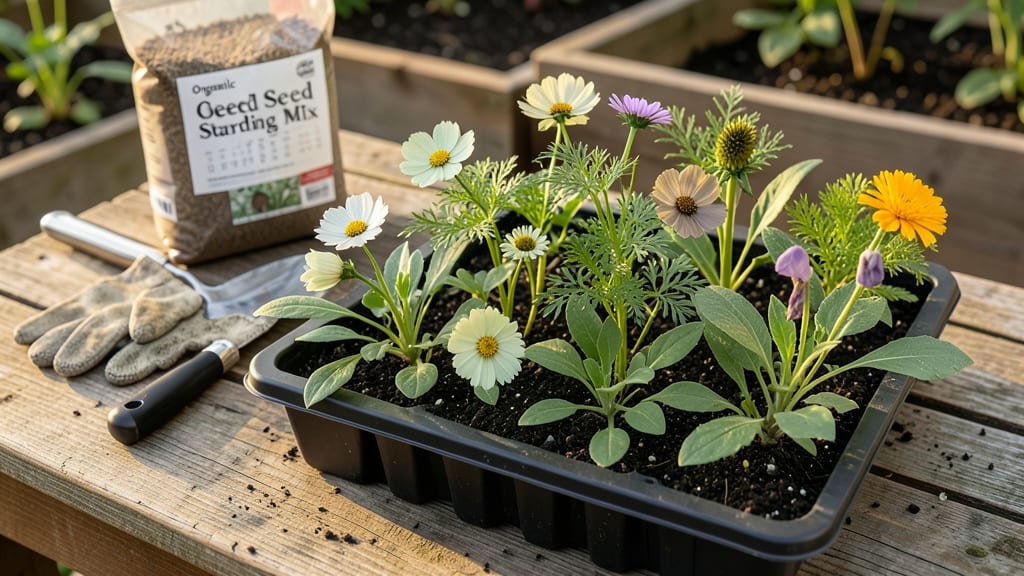
To plant cut flower seeds at the right time ensures longer blooms and healthier stems—especially for heat-tolerant varieties that thrive when sown early enough to beat the summer heat.
Struggling to keep your cut flowers blooming all summer? Timing is everything—planting heat-tolerant varieties at the right moment ensures vibrant stems and longer vase life, even in scorching heat.
For most gardeners in USDA Zone 6a, the ideal window is 4-6 weeks before your last frost, typically late March to early April. But if you’re growing sun-loving varieties like zinnias or cosmos, a late summer sowing (around July) can extend your harvest into fall.
Below, I break down the best planting times by climate zone, the top heat-tolerant varieties to prioritize, and pro tips to keep your bouquets fresh longer—no matter how hot it gets.
Best planting times for heat-tolerant cut flower seeds by climate zone
Timing your heat-tolerant cut flower seeds correctly can mean the difference between a bountiful summer harvest and wilted stems before they even bloom. Since heat-loving varieties like zinnia and celosia thrive in warm soil, planting too early risks frost damage, while late planting cuts your bloom duration.
Let’s break down the ideal planting windows for USDA zones 3 through 11, including when to direct sow versus transplant seedlings for peak performance.
In cooler zones (3-6), where frost lingers later into spring, I recommend starting seeds indoors 6-8 weeks before your last frost date. This gives seedlings a head start before transplanting outdoors after soil reaches 50°F (10°C).
For warmer zones (7-11), you can often direct sow seeds in late winter or early spring, but avoid planting too early when soil temperatures are still cool—this can stunt growth and delay blooms.
Here’s the key: Heat-tolerant flowers like sunflowers and marigolds also benefit from a second planting in late summer for fall harvests. This strategy extends your vase life well into autumn, even as temperatures drop.
For example, in zone 9, I sow celosia seeds in March and again in August to ensure continuous blooms.
🌱
| USDA Zone | Early Spring Planting (Direct Sow) | Transplant Seedlings | Late Summer Planting (Fall Blooms) | Soil Temp Requirement |
|---|---|---|---|---|
| Zones 3-4 | April–May (after last frost) | May–June (after soil warms) | July–Early August | 50–55°F (10–13°C) |
| Zones 5-6 | March–April (after frost) | April–May (soil 55°F+) | June–July | 55–60°F (13–16°C) |
| Zones 7-8 | February–March (direct sow) | March–April (soil 60°F+) | May–June | 60–65°F (16–18°C) |
| Zones 9-10 | January–February (direct sow) | February–March (soil 65°F+) | April–May | 65–70°F (18–21°C) |
| Zone 11 | Year-round (succeeding plants) | February–March (transplant) | June–July (fall blooms) | 70°F+ (21°C+) |
In zone 3, where frost can linger until mid-May, I prioritize transplanting seedlings after Memorial Day to avoid cold soil damage. Meanwhile, in zone 10, I direct sow seeds in January for early blooms, then succeeding plant in April for a second flush.
The key is matching your local frost dates with soil temperature trends—most heat-tolerant flowers won’t thrive until soil hits 55°F (13°C) or warmer.
For direct sowing, I always wait until nighttime temperatures stay above 50°F (10°C). This prevents seeds from rotting in cold, damp soil. If you’re unsure about your soil temperature, use a soil thermometer—it’s a game-changer for consistent germination.
In my experience, zinnia seeds germinate best at 70°F (21°C), so I often
Top 5 heat-tolerant cut flower varieties and their ideal planting dates
When summer heat arrives, many flowers wilt—but not these heat-loving cut flowers. I’ve grown these five varieties for years, and they thrive under the sun while delivering long-lasting stems for bouquets. The secret? Planting them at the right time to avoid early bolting or heat stress.
For USDA Zones 7-10, these flowers handle 90°F+ temperatures with ease, but timing matters. Plant too early, and they’ll bolt; too late, and blooms arrive after summer’s peak. Below, I’ve outlined the ideal planting windows for each variety to maximize your harvest season.
Pro Tip: Always direct-sow these seeds after your last frost date when soil reaches 60°F+. They hate transplant shock, so skip starting indoors unless you’re in a cooler zone (3-6).
| Variety | USDA Zones | Best Planting Time | Days to Bloom | Harvest Window |
|---|---|---|---|---|
| Zinnia ('Benary’s Giant') | 3-11 | April 15–June 1 (after frost) | 60–70 days | July–October |
| Celosia ('Cockscomb') | 5-11 | May 1–June 15 (soil 65°F+) | 50–60 days | July–September |
| Marigold ('French Marigold') | 2-11 | March 1–April 30 (or July 15–August 15 for fall) | 45–60 days | May–November |
| Cosmos ('Sensation Mix') | 7-11 | April 1–May 15 (or July 1–August 1 for late blooms) | 60–75 days | June–November |
| Sunflower ('Moulin Rouge') | 3-10 | April 15–June 1 (or July 15–August 1 for shorter stems) | 70–90 days | July–October |
My go-to for long stems is zinnia—it blooms nonstop from July to frost if you deadhead regularly. For drought-proof color, celosia holds its flame-like blooms even when soil dries out. Marigolds, meanwhile, repel pests while adding golden pops to bouquets.
For succession planting, sow cosmos in late summer to extend blooms into fall. They self-seed aggressively, so thin seedlings to avoid overcrowding. Sunflowers are my tallest performers, but plant them early for full-size stems or late for compact varieties.
Remember: Heat tolerance ≠ drought tolerance. Water deeply 2–3 times per week during peak heat, especially for young seedlings. Mulch with straw to retain moisture and keep roots cool. With these timing tips, you’ll enjoy cut flowers all summer long—no wilting in sight! 🌻