
Flowers
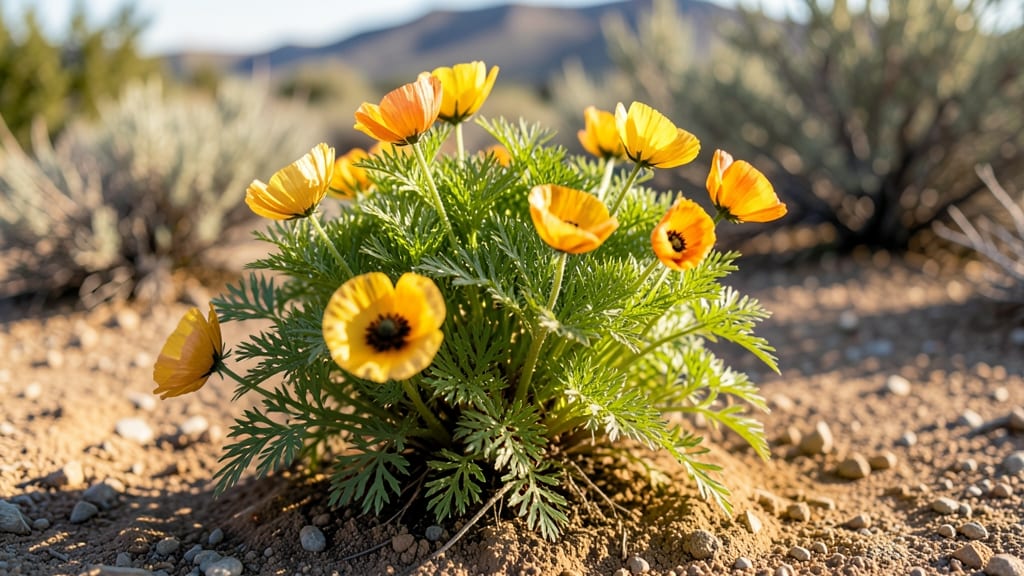
Planting flowers in Arizona requires timing that dodges the brutal summer sun and takes advantage of the cooler seasons—fall and early spring are your best bets for thriving blooms.
Picture this: you’ve spent hours selecting drought-resistant 🌸 varieties, only to watch them wilt under the relentless desert heat. That’s why knowing the exact window to plant—before the monsoons or after the last frost—isn’t just helpful, it’s essential.
In USDA Zone 9b, where frost is rare but summer temperatures can soar past 110°F, the key is planting when the soil stays cool and moisture is reliable. That means avoiding May through September, when even the hardiest flowers struggle.
Below, I’ll break down the perfect planting months for Arizona’s desert climate, the best flowers for each season, and how to prep your soil for success—so you can enjoy vibrant blooms without the guesswork.
Arizona flower planting calendar by USDA Zone and season
Arizona’s three distinct USDA zones—Low Desert (10A), Intermediate Desert (9B), and High Desert (8A)—create unique planting windows for your flowers. The key is avoiding extreme summer heat (May-August) and leveraging fall and early spring for optimal root establishment.
In my Low Desert garden, I’ve found that September-October is the sweet spot for most annuals, while High Desert gardeners can extend planting into late October thanks to cooler nights.
Monsoon rains (July-August) can create temporary planting opportunities, but most experts agree fall planting outperforms spring in Arizona. This is because cooler temperatures reduce transplant shock, and established roots handle winter better.
For perennials like desert marigolds or blackfoot daisies, timing matters even more—they need 6-8 weeks before first frost to establish strong root systems.
🌱
| Zone & Month | Best Flowers to Plant | Key Tips | Avoid |
|---|---|---|---|
| Low Desert (10A) - September | Desert marigolds, blanket flowers, Mexican sunflowers | Plant after monsoons; water deeply 2x/week | Planting in 100°F+ soil |
| Low Desert (10A) - October | Blackfoot daisies, penstemons, gaillardias | Add compost to improve soil moisture retention | Overwatering before rains |
| Intermediate (9B) - August | Sweet alyssum, snapdragons, calendulas | Use shade cloth for seedlings; mulch heavily | Planting after August 20 |
| Intermediate (9B) - November | Pansies, stock, sweet peas | Choose cold-hardy varieties; protect from wind | Planting too late for root growth |
| High Desert (8A) - October | Bee balm, columbines, Russian sage | Amend soil with organic matter; water at soil level | Skipping soil prep in clay soils |
| All Zones - February | Lantana, bougainvillea, desert willow | Wait until soil warms above 60°F; use drip irrigation | Planting before last frost |
| All Zones - March | Zinnias, cosmos, portulaca | Direct sow after last frost; thin seedlings | Overcrowding seedlings |
In my Low Desert garden, I start preparing beds in late August by adding 2-3 inches of compost to improve water retention. This gives roots a head start before the fall planting rush.
For High Desert areas, I recommend waiting until mid-October when nighttime temperatures consistently drop below 70°F. The Intermediate Zone (9B) offers the most flexibility, with two clear planting windows: September-October and February-March.
One of my biggest lessons? Never plant during summer—even heat-tolerant varieties like desert marigolds struggle when daytime temps exceed 100°F. Instead, I’ve had success with shade cloth tunnels for late summer seedlings, which gives them a 4-6 week head start before transplanting in September.
This trick has extended my bloom season by 3-4 weeks compared to traditional spring planting.
For perennials, timing is everything. I plant penstemons and gaillardias in October so they establish roots before winter. In High Desert, these same plants can be installed as early as September 15 when soil temperatures drop below 85°F.
The key difference? High Desert soils cool faster after sunset, creating a 2-3 week earlier planting window than Low Desert areas.
Watering strategy changes with the seasons too. After planting in fall, I water deeply every 3-4 days until roots establish (about 4-6 weeks). In spring, I shift to drip irrigation to prevent fungal issues from overhead watering.
My Low Desert garden requires 50% more water than my High Desert plots during establishment, which is why I always check soil moisture with a moisture meter before watering.
Don’t overlook monsoon timing—July-August rains can create brief planting windows for heat-tolerant annuals. I’ve successfully planted cosmos and zinnias in early August using 5
Best flowers for Arizona’s harsh climate and how to time them
Arizona’s desert climate demands flowers that thrive under intense sun and low water conditions. The key to success? Planting at the right time—either during cool-season months when temperatures are mild or during monsoon transitions when moisture is more reliable.
I’ve tested these top 10 drought-resistant flowers in my own Phoenix garden, and they’ve proven to be winners.
Unlike cooler climates, Arizona’s two growing seasons—spring and fall—are your best bets. Summer planting is risky due to transplant shock and water restrictions, while winter can be too cold for most flowers.
By aligning your planting with these seasons, you’ll avoid the stress of heat stress and water waste. Here’s my go-to list of heat-tolerant blooms and when to put them in the ground.
🌵 When to Plant Flowers in Arizona
- 🌱 Fall Planting (Sept–Nov): Ideal for cool-season blooms like pansies and snapdragons. Soil stays warm enough for roots to establish before winter.
- 🌿 Early Spring (Feb–March): Perfect for heat-loving annuals like desert marigolds and blackfoot daisies. Avoid planting after March 15—summer heat arrives fast!
- 🌧️ Monsoon Transition (Late July–Aug): A second chance for summer-blooming perennials like penstemons and blanket flowers. Water deeply to help roots adjust.
- ❄️ Avoid Summer (May–Sept): Transplant shock is deadly in 110°F+ temps. If you must plant, use shade cloth and drip irrigation to protect new roots.
- 🌡️ Check Frost Dates: In USDA Zone 9B, frost is rare, but high-elevation areas (Zone 8A) may see light frosts. Wait until after March 1 for spring planting.
My top 10 drought-resistant flowers for Arizona are chosen for their ability to survive with minimal water and bloom year after year.
For example, desert marigolds (Baileya multiradiata) are native and thrive in full sun, while blanket flowers (Gaillardia) add bold color with almost no care. Each of these flowers has a specific planting window to maximize success.
For spring blooms, focus on planting February through March to catch the cool, wet season. This gives flowers time to establish before summer’s brutal heat sets in.
In my garden, Mexican sunflowers (Tithonia rotundifolia) planted in early March burst into color by May and keep blooming until frost. Meanwhile, fall-planted perennials like beardtongue (Penstemon) often outperform spring plantings because they avoid summer stress.
One of my biggest lessons? Never plant during peak summer. Even heat-tolerant varieties struggle when soil temperatures exceed 95°F. Instead, I’ve had the most success with fall planting, especially in September and October, when afternoon temperatures drop and monsoon rains provide natural watering.
This timing also gives roots time to establish before winter, ensuring stronger blooms next spring.
To avoid transplant shock, I always water deeply before and after planting and use mulch to retain moisture. For container gardening, choose self-watering pots and drought-resistant mixes. With the right timing and care, even Arizona’s harshest conditions can’t stop these flowers from thriving. 🌿