Flowers
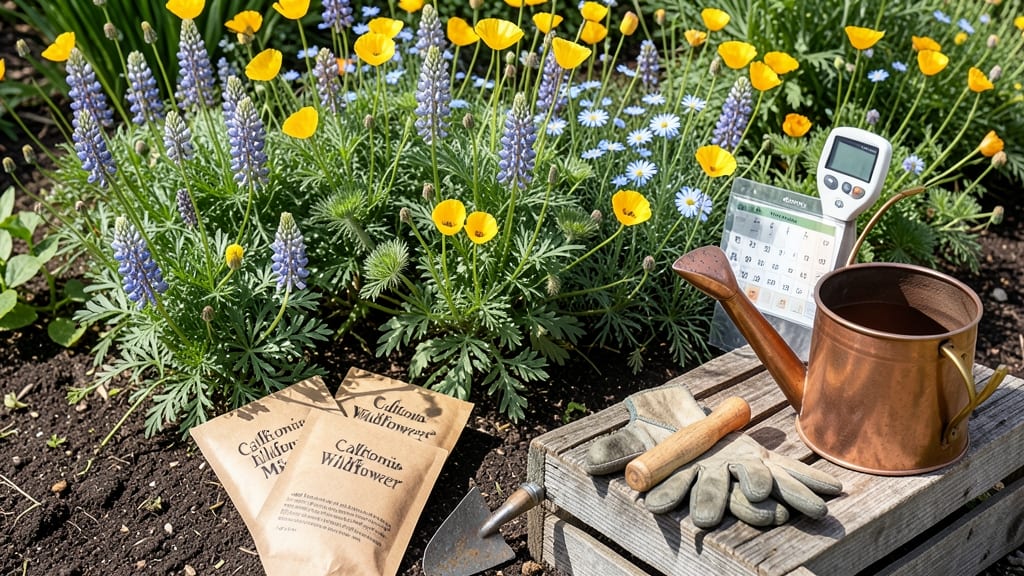
To plant flowers in California at the perfect time means avoiding the frost-free chaos of coastal zones and the scorching desert heat—timing that turns spring blooms into summer survivors.
California’s diverse microclimates—from coastal fog to desert heat—mean planting flowers at the wrong time can doom your blooms before they even sprout. But timing it right guarantees vibrant gardens year-round, whether you're in frost-free San Diego or chilly Sacramento.
Most gardeners focus on the calendar, but the real secret is reading your microclimate: coastal areas thrive with early spring plantings, while desert zones need summer heat lovers. I’ll break down the exact months for your region, plus soil prep tricks to keep your 🌱 thriving.
By the end, you’ll know not just when to plant, but which varieties to pick for your zone—so your garden stays lush from spring through fall without the guesswork.
California’s 5 flower planting zones: months by microclimate for frost-free success
California’s diverse microclimates create unique challenges—and opportunities—for gardeners. While San Diego enjoys frost-free winters, Sacramento sees occasional chilly nights, and Death Valley bakes under relentless sun. Understanding your planting zone ensures your flowers thrive year-round, whether you’re growing heat-loving succulents or coastal fog-adapted hydrangeas.
Let’s break down the best months to plant flowers in each of California’s 5 key zones.
Each zone has distinct last-frost dates, soil conditions, and ideal planting windows. Coastal areas like San Francisco can plant earlier in spring, while inland valleys like Central California must wait for soil to warm.
Desert regions like Palm Springs focus on drought-tolerant varieties, while high-elevation areas like Lake Tahoe prioritize cold-hardy perennials. Below, we’ll map out the best times to plant annuals, perennials, and bulbs for each microclimate.
| Zone | Last Frost Date | Best Planting Months | Key Flowers | Soil Tip |
|---|---|---|---|---|
| Coastal (e.g., San Francisco) | None (frost-free) | Feb–April (spring), Aug–Sept (fall) | Hydrangeas, Fuchsias, Snapdragons | Amend with compost for acidic soil |
| Valley (e.g., Sacramento) | Mid-Dec to Feb | March–May (spring), Sept–Oct (fall) | Lavender, Roses, Dahlias | Break up clay soil with sand |
| Desert (e.g., Palm Springs) | None (frost-free) | Oct–Dec (cool season), Feb–March (warm season) | Desert Marigolds, Blanket Flowers, Yuccas | Use gravel mulch to retain moisture |
| High Elevation (e.g., Lake Tahoe) | Late May–June | May–June (spring), July–Aug (fall) | Columbines, Penstemons, Delphiniums | Add organic matter for poor soil |
| Mediterranean (e.g., Los Angeles) | None (mild winters) | Feb–March (spring), Sept–Oct (fall) | Poppies, Geraniums, Bougainvillea | Drainage is critical—avoid soggy roots |
In coastal zones, like San Francisco, you can plant spring-blooming bulbs like daffodils as early as February, while fall planting (August–September) sets up vibrant summer blooms.
The cooler, foggy climate delays heat stress, making it ideal for hydrangeas and fuchsias. However, amend your soil with compost to combat natural acidity from coastal fog.
For Central Valley gardeners in Sacramento, wait until after the last frost date (mid-February) to plant heat-sensitive annuals like petunias. Perennials such as lavender thrive when planted in March–April, while fall planting (September–October) extends blooms into winter. Clay-heavy soils here require sand or compost to improve drainage.
Desert regions, including Palm Springs, offer frost-free growing year-round. Plant cool-season flowers (October–December) like desert marigolds for winter color, then shift to heat-tolerant varieties (February–March) such as blanket flowers. Mulch with gravel to conserve moisture and protect roots from extreme temperatures.
How to adjust planting timing for extended blooms: staggering seeds and bulbs
Want your garden to burst with color year-round instead of just a few weeks? The secret lies in staggered planting—a technique that extends bloom seasons by planting different varieties at 2-4 week intervals.
This works especially well in California, where microclimates create unique opportunities for continuous flowering from spring through fall.
For example, in coastal areas like Monterey, you can plant snapdragons in early February for spring blooms, then follow with geraniums in April for summer color. Meanwhile, desert gardeners in Palm Springs can layer dwarf marigolds and zinnia every 3 weeks to avoid summer heat burnout.
Pro tip: Create a 12-month bloom calendar by grouping flowers by maturity rates. Fast bloomers like calendula (45 days) can go in first, followed by black-eyed Susans (60 days) and dahlias (90 days). This ensures overlapping blooms and zero dead zones in your garden.
For bulb layering, focus on height and bloom time. Taller bulbs like alliums (late spring) go in the back, while daffodils (early spring) and fall crocus (autumn) fill the front. In cooler coastal areas, add hyacinths (March) to bridge the gap between crocus and tulips.
Don’t forget to adjust watering schedules as you stagger plantings. Early-season flowers (like lobelia) need consistent moisture, while heat-tolerant varieties (like portulaca) thrive with drought conditions. Mulch new plantings with 2-3 inches of compost to retain moisture and regulate soil temperature.
With this approach, your garden will never look bare. Test different combinations in small sections first—then expand what works! The key is observation: Note which pairings bloom best together, and refine your schedule yearly. 🌷