
Flowers
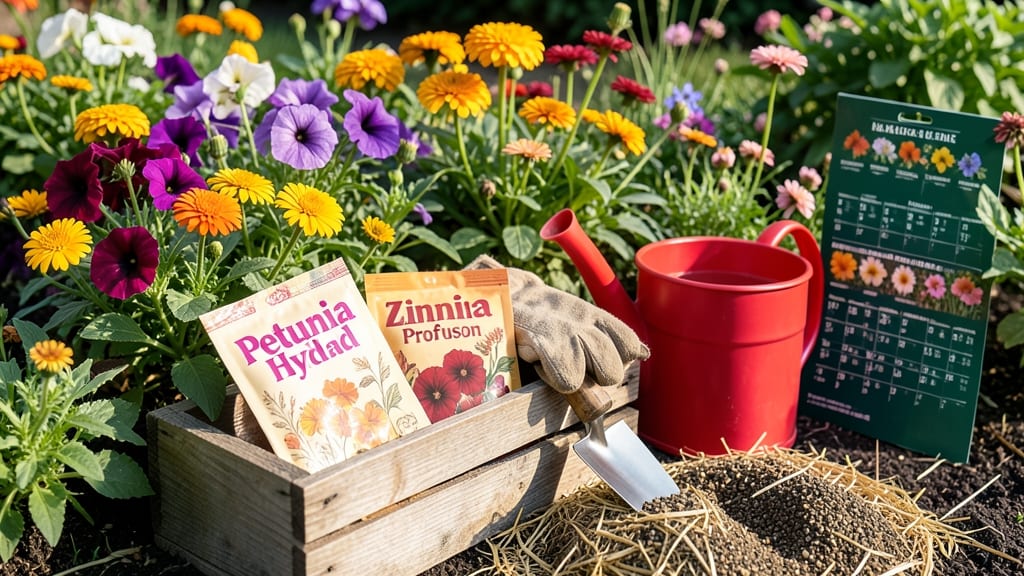
Planting flowers in Zone 6 at the right time means the difference between a garden bursting with color and one that barely survives the first frost.
Timing your flower planting in Zone 6 can mean the difference between vibrant blooms and frost-killed dreams—so knowing your last spring frost date is non-negotiable.
For most of Zone 6, that window opens around mid-April, but a week or two earlier or later can spell disaster for heat-loving annuals or tender perennials.
I’ll walk you through the exact frost-free deadlines by region, plus the best flowers to plant in spring, summer, and fall to keep your garden thriving all season long.
You’ll also discover how to adjust for early or late frosts, which flowers handle cold snaps best, and the simple soil prep tricks that give your plants the strongest start—so you can finally stop guessing and start growing with confidence.

Zone 6 last spring frost dates by region: exact planting timelines
Zone 6 spans a vast area from the Midwest to the Southeast, creating significant regional differences in last spring frost dates. In Northern Illinois, gardeners typically see frost-free dates around April 15-20, while Eastern North Carolina often warms up by March 20-25.
These variations mean your flower planting schedule should account for local microclimates, not just the zone average.
Understanding these exact frost timelines helps you avoid planting tender annuals too early. For example, marigolds and petunias need soil temperatures above 60°F, which may not occur until late April in colder Zone 6 pockets like Upstate New York.
Meanwhile, cold-hardy pansies can handle light frosts and may be planted as early as March 15 in Southern Zone 6 areas like Georgia.
Here’s where regional specifics matter most: Mountainous areas (like Western Virginia) often experience later frosts due to elevation, while coastal regions (like South Carolina) warm faster. Always check your local weather service or use a frost-free date calculator to pinpoint your exact timeline.
To maximize your flower garden’s success, I recommend using a 3-phase planting approach: 1. Early March: Plant cold-hardy bulbs (daffodils, tulips) and winter-hardy perennials (lavender, hellebores). 2. After last frost: Introduce warm-season annuals (impatiens, vinca). 3. Late summer: Prep fall-blooming perennials (chrysanthemums, asters).
| Region | Avg. Last Frost | Early Frost | Late Frost | Annuals Planting Window | Perennials Planting Window | ||||||||||||||||||||||||||||||
|---|---|---|---|---|---|---|---|---|---|---|---|---|---|---|---|---|---|---|---|---|---|---|---|---|---|---|---|---|---|---|---|---|---|---|---|
| Northern Illinois (Chicago) | April 20 | April 5 | May 5 | May 10-20 | April 1-15 (spring) or Sept 15-30 (fall) | ||||||||||||||||||||||||||||||
| Eastern North Carolina (Raleigh) | March 25 | March 10 | April 10 | April 1-15 | March 15-30 (spring) or Sept 1-15 (fall) | ||||||||||||||||||||||||||||||
| Upstate New York (Albany) | April 15 | April 1 | May 1 | May 1-15 | April 1-15 (spring) or Sept 1-15 (fall) | ||||||||||||||||||||||||||||||
| Western Virginia (Roanoke) | April 10 | March 25 | April 25 | April 20-May 5 | March 30-April 15 (spring) or Sept 10-25 (fall) | ||||||||||||||||||||||||||||||
| Georgia (Athens) | March 20 | February 28 | April 5 | March 25-April 10 |
Best flowers to plant in Zone 6 by season: frost-resistant varietiesZone 6 gardeners know that frost dates dictate everything from spring planting to fall bulb choices. The key is selecting frost-resistant flowers that thrive when temperatures dip below 32°F—whether they're hardy annuals, perennial workhorses, or bulbs that naturalize over time. My top picks span three planting seasons, ensuring year-round color while minimizing frost damage risks. For spring planting, focus on cold-hardy annuals like pansies and sweet alyssum that tolerate light frosts (28°F), while perennials such as coneflowers and black-eyed Susans establish roots early. In summer, heat-tolerant varieties like zinnia and marigold take center stage, but fall planting rewards you with chrysanthemums and pansies that bloom until frost.
Don't overlook bulbs for fall planting—tulips and crocuses thrive when planted 6-8 weeks before the first frost, giving roots time to establish before winter. My go-to bulb is daffodils, which survive Zone 6 winters with ease and rebloom yearly without fail. For container gardens, violas and stock are frost-tolerant annuals that add winter interest. Pro tip: Mulch heavily around fall-planted perennials like sedum and Russian sage to protect roots during early frost events. These late-season bloomers reward you with color until hard frost, often lasting into November in Zone 6. Pair them with frost-resistant annuals like calendula for a longer display. For spring bulbs, hyacinths and alliums are my top performers—they naturalize beautifully and return every year. Plant them in late fall (October) for early spring blooms, beating frost by 6-8 weeks. Their vibrant colors brighten gardens just as perennial flowers like bearded iris begin their show. Remember: Soil temperature matters as much as air temperature. Wait until soil warms to 60°F before planting heat-loving annuals like geraniums and petunias—this usually aligns with |