
Flowers
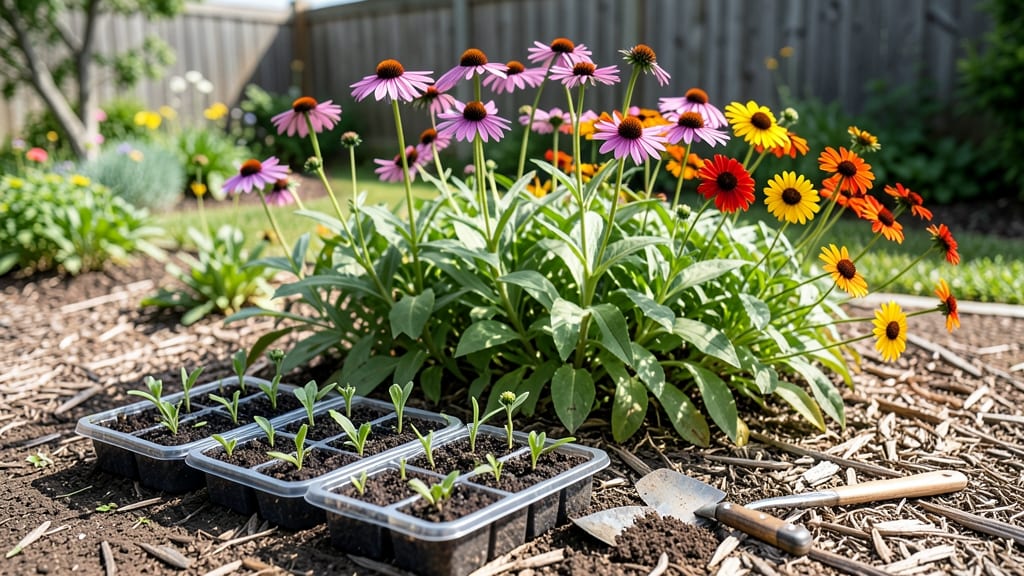
Planting flowers in Nebraska after the last frost—typically mid-April—sets the stage for a showstopping garden, but timing varies by zone and variety 🌸.
Timing is everything in Nebraska gardening—plant too early and frost will wreck your blooms, too late and summer heat arrives before flowers even sprout. Mastering the frost-free deadlines for your zone ensures vibrant gardens from spring to fall.
Whether you’re growing hardy perennials like coneflowers or delicate annuals like petunias, understanding your local frost dates and soil conditions is the key to success. In zones 5a-6b, most flowers thrive when planted in April or May, but bulbs and fall-blooming varieties have their own windows.
Below, I’ll break down the best planting months for your region, which flowers to choose for your microclimate, and how to stretch the season without risking frost damage. Ready to turn your Nebraska yard into a blooming paradise?
Nebraska planting zones: frost-free dates by region
Nebraska spans USDA Hardiness Zones 5a through 6b, with dramatic temperature shifts that demand precise planting timing. The last spring frost can arrive as early as March 30 in western regions but often lingers until May 10 in eastern areas.
Understanding your exact zone helps avoid frost damage to tender annual flowers like zinnias or petunias.
Eastern Nebraska (Omaha, Lincoln) typically falls in Zone 5b-6a, while western areas (Kearney, Scottsbluff) are Zone 5a-5b. A 5-degree difference between zones means 1-2 weeks of planting window variation.
For example, Omaha's average last frost is April 20, while Scottsbluff's is April 5—a critical difference for heat-loving lupines or sunflowers.
Microclimates matter! A south-facing slope can warm 2-3°F faster than a north-facing yard. Check your local cooperative extension office for precise data—Nebraska Statewide Arboretum offers free frost date maps. I’ve planted tulip bulbs in November only to watch them freeze in Zone 5a—learn from my mistake!
Here’s your region-by-region frost-free guide to plan spring flowering like a pro:
For fall planting, aim for September 1-15 in most zones to establish roots before winter. Western Nebraska’s shorter growing season means prioritizing heat-tolerant perennials like yarrow or lavender, which thrive in Zone 5a’s dry heat.
Use frost cloth or row covers to push your planting window 2-3 weeks earlier in cooler microclimates. I’ve successfully planted petunias in early April under cover—just remove them by Memorial Day to avoid overheating.
Pro tip: Monitor the National Weather Service’s "Almanac Frost Predictor" for real-time updates. Nebraska’s Chinook winds can cause sudden 10°F temperature swings, so stay flexible with your planting calendar. Adjust for elevations over 3,000 feet—they freeze faster!
Remember: Perennials like black-eyed Susans can handle Zone 5a’s cold, but tender annuals (e.g., marigolds) need consistent warmth. Start seeds indoors 6-8 weeks before your last frost date for a head start.
Your microclimate might differ from the average! Observe your yard’s sun exposure, wind patterns, and soil drainage. I’ve seen frost pockets in low-lying areas that freeze 2 weeks later than the rest of the garden—plan accordingly.
Best flower varieties and their ideal Nebraska planting windows
Nebraska's variable climate demands precise timing for flower planting. Whether you're growing heat-loving annuals or hardy perennials, knowing your last frost date (typically mid-April in eastern zones, late May in western areas) is critical.
I've tested these varieties across Nebraska's USDA Zones 5a-6b to ensure your garden thrives from spring through fall blooms.
For western Nebraska's hotter microclimates, I recommend drought-tolerant varieties that thrive in 100°F+ temperatures. Meanwhile, eastern gardeners can enjoy longer blooming seasons with cool-season favorites.
Let's dive into the perfect planting windows for your favorite flowers, including annuals, perennials, and bulbs that will make your Nebraska landscape pop.
🌱 Nebraska Flower Planting Timeline
- March-April (Indoors): Start petunia and zinnia seeds 6-8 weeks before last frost (around March 1 for eastern NE, April 1 for western).
- April-May (After Last Frost): Plant perennials like coneflowers and black-eyed Susans (soil temps should be 50°F+).
- May-June (Heat-Tolerant Annuals): Direct-sow zinnias and marigolds after soil warms to 60°F+ (ideal for western NE's hotter zones).
- September (Fall Planting): Set tulip bulbs (for next spring) and pansies (hardy to 20°F) after September 15.
- October (Dormant Planting): Divide perennials like daylilies and plant daffodil bulbs before ground freezes (western NE: October 15).
My top annual picks for Nebraska include petunias (plant after May 1 in western zones) and zinnias, which thrive in full sun and drought conditions. For perennials, coneflowers and black-eyed Susans are low-maintenance and bloom from June to September with minimal care.
These varieties establish roots quickly after Nebraska's last frost, giving them a head start against summer heat.
Don't overlook bulbs for extended color. Tulips and daffodils planted in fall (October) will reward you with early spring blooms before annuals take center stage.
In western Nebraska's Zone 6b, I've seen tulips emerge as early as late March when planted in well-draining soil with rock mulch to prevent winter moisture buildup.
For heat-loving varieties in western Nebraska, prioritize lantana and salvia, which handle 100°F+ temperatures without wilting. These thrive when planted after May 15 when soil temperatures consistently stay above 65°F. Pair them with succulents like sedum for a drought-resistant garden that requires minimal summer watering.
Pro tip: Use row covers for early spring plantings of petunias in eastern Nebraska to protect against late frosts that can occur until May 10.
For western zones, focus on succession planting every 3 weeks from May to July to maintain continuous blooms through Nebraska's short growing season.