
Flowers
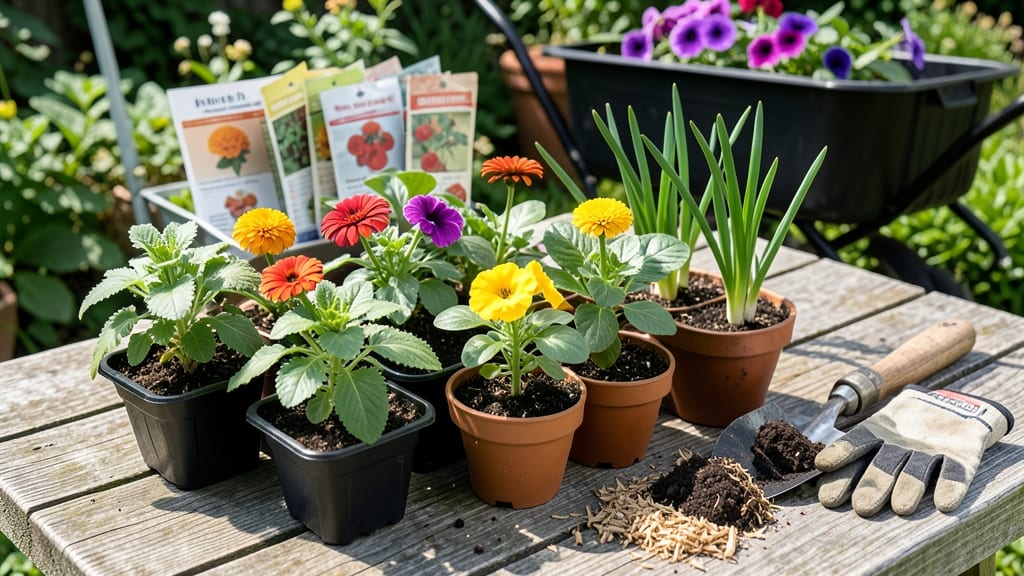
To plant flowers in Ohio at the perfect time, aim for mid-April after the last frost—though fall planting in October works too for perennials.
Ohio’s unpredictable spring weather can make timing your flower planting a high-stakes guessing game—get it wrong, and your blooms may never reach their full potential. But with the right frost-free timeline tailored to Ohio’s microclimates, you can ensure vibrant gardens from spring to fall.
Whether you’re planting annuals like marigolds or perennials like coneflowers, knowing when to start seeds indoors or set out transplants makes all the difference. In this guide, we’ll break down the exact planting windows for Ohio’s USDA Zone 6a, plus pro tips to extend your blooming season.
You’ll learn which flowers thrive in Ohio’s cool springs and hot summers, how to protect seedlings from late frosts, and even how to read your local frost charts like a pro. Let’s get those 🌸 blooming on schedule!
Ohio flower planting timeline by USDA hardiness zones (5b, 6a, 6b)
Ohio’s three primary USDA hardiness zones—5b, 6a, and 6b—create subtle but critical differences in planting windows. Zone 5b (northwest Ohio) typically has 2-3 weeks later last frosts than Zone 6b (southwest Ohio), which can mean the difference between thriving annuals and frost-killed seedlings.
Understanding these variations lets you time bulbs, perennials, and annuals perfectly for Ohio’s 165 frost-free days.
For example, tulip bulbs in Zone 5b should hit the ground by November 1st, while Zone 6b gardeners have until November 15th.
Meanwhile, summer annuals like zinnias can wait until May 1st in Zone 6b but must be in by April 20th in Zone 5b to avoid late frosts. These timing differences aren’t just about dates—they’re about soil temperatures, seedling vulnerability, and bloom duration.
In Zone 5b, where last frosts average April 25th, I always start tender annuals like impatiens indoors by March 1st to give them a head start.
The key is monitoring soil temperatures—annuals like petunias won’t germinate well until the soil reaches 55°F, which typically happens by May 1st in this zone. For perenn
Best flowers to Plant in Ohio by season (cool vs. warm season varieties)
Ohio’s diverse climate demands strategic flower choices—cool-season blooms thrive in spring’s chill, while warm-season varieties shine when summer heat arrives. The key is matching temperature tolerance with planting timing to maximize blooms.
For example, pansies and snapdragons handle early spring’s 40°F soil temps, while zinnias and marigolds crave summer’s 70°F+ warmth.
Don’t assume all flowers fit Ohio’s USDA Zones 5b-6b equally—some, like tulips, need fall planting for spring blooms, while annuals like cosmos wait until after last frost (typically mid-April). Understanding these seasonal shifts ensures your garden stays colorful year-round without costly mistakes.
- Pansies – Plant March-April; thrives in 40-60°F; 6-12" tall
- Snapdragons – Direct sow March-May; 24-36" tall; loves partial shade
- Sweet Alyssum – Sow February-April; 6-12" tall; drought-tolerant
- Calendula – Plant March-May; 12-24" tall; edible petals
- Daffodils – Fall-planted for spring blooms; 12-18" tall
- Zinnias – Sow May-June; 1-4' tall; attracts pollinators
- Marigolds – Plant April-May; 1-2' tall; pest-repellent
- Sunflowers – Direct sow May-June; 3-12' tall; fast-growing
- Cosmos – Sow April-May; 2-4' tall; drought-resistant
- Lantana – Plant after last frost; 1-3' tall; heat-loving
- Mums – Plant August-September; 1-3' tall; thrives in 50-65°F
- Asters – Sow March-April or August; 1-4' tall; late-season blooms
- Salvia – Plant March-April; 2-3' tall; deer-resistant
- Pansies (Fall) – Sow August-September; 6-12" tall; winter-hardy
- Sweet Peas – Plant September; 4-7' tall; fragrant climbers
For Ohio’s short growing season, prioritize succession planting—sow fast-growing annuals like cosmos every 2-3 weeks in summer to keep blooms coming. Perennials like coneflowers and black-eyed Susans, however, reward patience with multi-year blooms when planted in spring or fall.
Pro tip: Use row covers to extend spring planting by 2-3 weeks, protecting cool-season flowers from late frosts (common in Ohio’s Zone 6a). Test soil temps with a thermometer—50°F+ signals safe planting for most annuals.
Ohio’s clay-heavy soils can stunt blooms, so amend with compost before planting. Well-draining soil is critical for heat-loving varieties like zinnias, while moisture-retentive beds suit cool-season pansies. Adjust mulch thickness seasonally: 2-3" in summer to retain moisture, 1" in fall to protect roots.
Timing isn’t just about months—it’s about microclimates. A south-facing bed warms faster than a north-facing corner, letting you plant zinnias 1-2 weeks earlier. Observe your garden’s sun patterns and adjust planting dates accordingly for peak performance.