Flowers
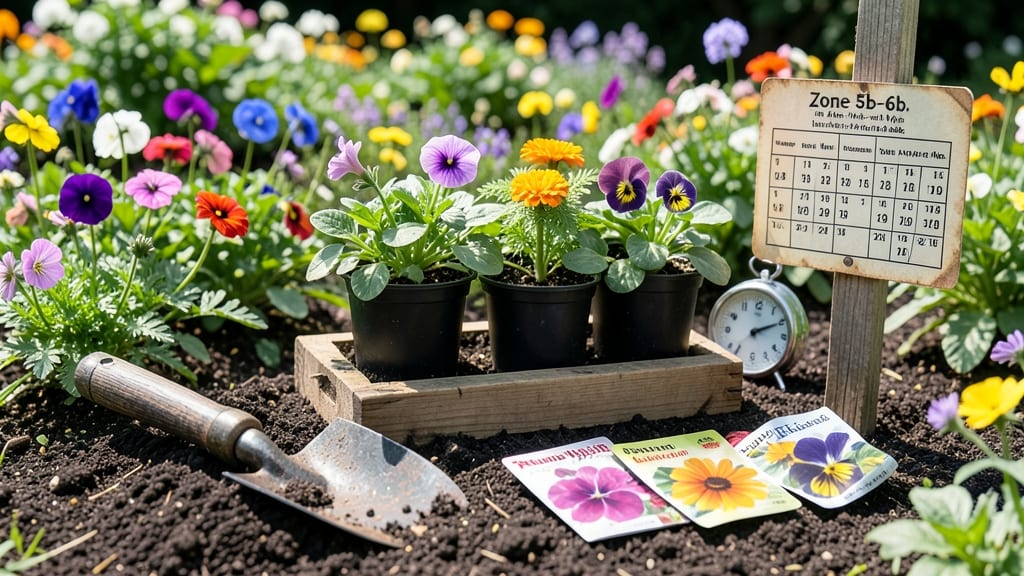
To plant flowers in Rhode Island, aim for late April to early May after the last frost—though coastal areas like Newport may wait until mid-May to play it safe.
Rhode Island’s unpredictable spring weather can make timing your flower planting tricky—but getting it right means vibrant blooms all season long. Avoid frost damage and maximize growth by planting at the perfect moment in USDA Zones 6a-7a.
Annuals like petunias and marigolds thrive when seeded directly after the frost-free date, while perennials such as coneflowers and black-eyed Susans can go in the ground as early as March if you’re prepared to protect them.
Bulbs, on the other hand, need to be in the soil by early April to bloom by summer.
In this guide, I’ll break down the exact frost-free deadlines for Providence, Newport, and Narragansett, plus tips for extending your season with mulching, cold frames, and succession planting. Ready to turn your garden into a 🌸 paradise?
Rhode Island flower planting calendar: exact frost-free dates by month
Timing your flower planting in Rhode Island is all about understanding last frost dates and microclimates. The state’s USDA Zones 6a-7a mean coastal areas like Newport often warm earlier than inland spots like Providence.
For most regions, the average last frost date falls between April 15 and May 1, but coastal gardens can be 1-2 weeks ahead.
Coastal areas like Narragansett and Block Island experience milder winters due to ocean influence, while inland zones near Central Falls or Cumberland may see frost lingering until early May. Always check your local microclimate—a sheltered garden might be 2 weeks ahead of an exposed one.
Here’s your month-by-month planting guide, including cool-season flowers (like pansies and snapdragons) that thrive in early spring and warm-season blooms (such as marigolds and zinnias) that need frost-free soil.
🌱
For coastal gardens, you can push planting dates forward by 1-2 weeks compared to inland areas. For example, Newport gardeners might plant warm-season annuals by early May, while Providence gardeners should wait until mid-May. Always have row covers or frost cloth on hand for late-season surprises.
If you’re unsure about your local frost dates, use the National Weather Service’s frost prediction tool or check with your local Cooperative Extension office. They provide hyper-local data that can save your tender annuals from a late freeze.
Pro tip: Soil temperature matters more than air temperature. Use a soil thermometer to confirm when it’s safe to plant warm-season flowers—aim for 60°F+. Coastal soils warm faster due to ocean breezes, giving you a head start.
🌿
Don’t forget to mulch after planting to retain moisture and regulate soil temperature. A 2-3 inch layer of straw or shredded leaves works well for both spring and fall plantings. For bulbs like tulips, mulch after the ground freezes to protect them from extreme cold.
In Zone 6a (northern RI), like Woonsocket, extend your season by planting early-blooming bulbs in September for spring color. In Zone 7a (southern RI), like South Kingstown, you can even try tender perennials like cannas with winter protection.
🌸
Best flowers to plant in Rhode Island by season: a Zone-specific guide
Rhode Island’s USDA Zones 6a-7a offer a perfect balance for gardeners who love vibrant blooms. The key to success? Choosing season-specific flowers that thrive in our rocky, well-draining soil and humid coastal climate.
Whether you're a beginner or seasoned gardener, selecting the right flowers for each season ensures your garden stays colorful year-round.
Spring is ideal for cool-season annuals and hardy perennials that can handle late frosts. Summer demands heat-tolerant varieties that won’t wilt in Rhode Island’s hot, humid summers. Fall planting gives you a head start on next year’s blooms, while also providing late-season color.
Let’s dive into the best flowers for each season, ranked by hardiness, bloom time, and low-maintenance traits.
🌱 Top 5 Flowers to Plant in Rhode Island by Season
- 1
- 2
- 3
- 4
- 5
For rocky soil common in Rhode Island, prioritize drought-resistant natives like New England Aster (Symphyotrichum novae-angliae) or Bee Balm (Monarda didyma). These perennials handle poor drainage and humidity better than many ornamentals. Always amend soil with compost before planting to improve texture and fertility.
If you’re aiming for low-maintenance blooms, focus on perennials that return yearly, such as Coneflower (Echinacea) or Russian Sage (Perovskia atriplicifolia). Both thrive in full sun and require minimal watering once established.
For instant color, pair perennials with annuals like Marigolds or Petunias, which bloom nonstop from June to frost.
Don’t overlook bulbs for spring color! Plant Tulips and Daffodils in fall (September-October) so they naturalize and multiply over time. These frost-hardy bulbs push through Rhode Island’s unpredictable springs to deliver early-season blooms when little else is flowering.
Pro tip: Use mulch to retain moisture in rocky, fast-draining soil. A 2-3 inch layer of pine straw or shredded leaves helps regulate soil temperature and reduces weeds. This is especially important during summer droughts, which can stress even the hardiest flowers.