
Flowers
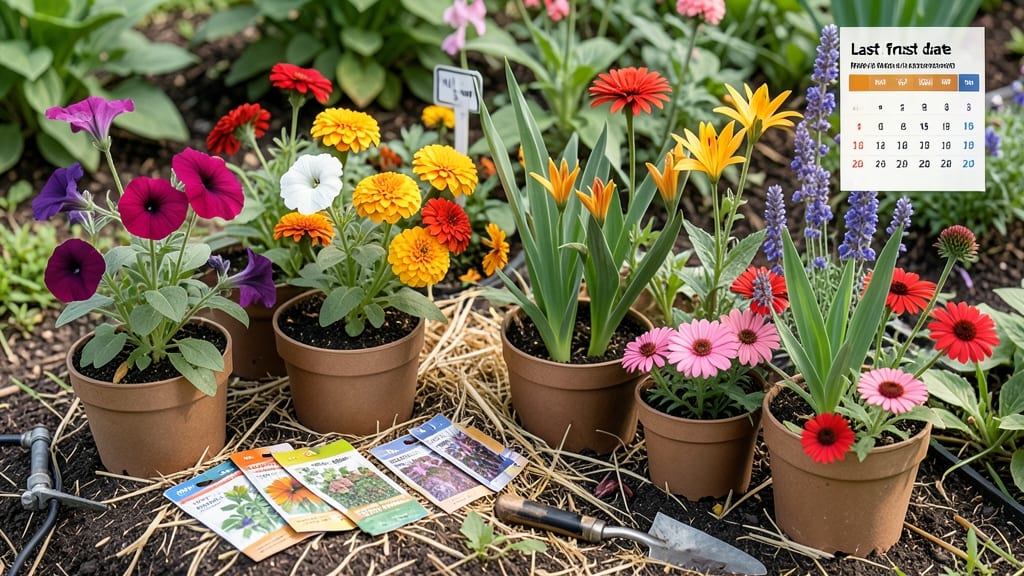
Planting flowers in South Carolina at the right time means the difference between a showstopping garden and a frost-wiped-out disappointment.
Timing is everything in South Carolina’s unpredictable climate—plant flowers too early and a late frost could wipe out your blooms, but wait too long and you’ll miss peak flowering seasons. Here’s the exact schedule you need to follow for zero-frost success across SC’s 7b-8a zones.
Cool-season bloomers like pansies and snapdragons thrive when planted 4-6 weeks before your last frost (usually by mid-March), while heat-lovers such as marigolds and petunias need to wait until soil warms to 60°F+—typically after April 15 in most areas.
Below, I break down the month-by-month planting calendar for annuals, perennials, and seasonal favorites, plus how to adjust for coastal, Piedmont, and Upstate microclimates so your 🌸 garden stays ahead of the weather.
South Carolina flower planting calendar by USDA Zone (exact months for annuals & perennials)
South Carolina’s USDA zones 7b-8a create a long growing season with two distinct planting windows—spring for warm-season blooms and fall for cool-season favorites. The key? Timing around frost dates (average last frost: mid-March, first frost: mid-November).
In Zone 8a, coastal areas stay milder, while Zone 7b Upstate regions face earlier frosts. I’ll break down exact months for popular flowers, including soil temperature and transplant tips to guarantee vibrant blooms.
For annuals, most need to be transplanted after frost when soil hits 60°F+, while perennials like azaleas and camellias thrive with fall planting for root establishment. Petunias and marigolds are heat-lovers—start them indoors in March for early summer color.
Meanwhile, cool-season flowers like pansies and snapdragons can handle fall planting until October. Let’s dive into the month-by-month schedule tailored to your zone.
| Flower Type | USDA Zone 7b | USDA Zone 8a | Soil Temp | Notes |
|---|---|---|---|---|
| Cool-Season Annuals (Pansies, Snapdragons, Violas) | Sept 15–Oct 15 March 1–March 15 |
Sept 1–Oct 30 March 1–April 1 |
50–60°F | Direct sow or transplant. Avoid summer heat. |
| Warm-Season Annuals (Petunias, Marigolds, Zinnias) | March 20–April 30 (Start indoors Feb 1) |
March 1–May 1 (Start indoors Jan 15) |
60°F+ | Transplant after last frost. Mulch to retain heat. |
| Perennials (Azaleas, Camellias, Daylilies) | Oct 1–Nov 15 | Oct 1–Dec 1 | 55–65°F | Plant bare-root in fall for winter establishment. |
| Bulbs (Tulips, Daffodils, Hyacinths) | Oct 1–Nov 15 | Oct 1–Dec 1 | 60°F | Plant 6" deep; spring blooms in March–April. |
| Heat-Tolerant Perennials (Lantana, Salvia, Coneflowers) | March 15–April 30 | Feb 15–May 1 | 65°F+ | Drought-resistant; mulch to conserve moisture. |
In Zone 7b, where frosts linger longer, start cool-season flowers in September to beat the first frost.
For example, pansies planted by October 15 will bloom through winter, while zinnias need to wait until April to avoid frost damage. Soil temperature is critical—use a soil thermometer to confirm 60°F+ before planting warm-season annuals like petunias.
Pro tip: Mulch with straw to regulate soil temps and retain moisture.
For Zone 8a, especially coastal areas, the growing season stretches longer.
You can plant marigolds as early as February if soil is warm enough, and extend fall planting until December for cool-season blooms. Camellias and azaleas thrive when planted in late fall (November), giving roots time to establish before winter rains.
If you’re in the Upstate, err on the side of earlier fall planting—by October 15—to avoid November frosts.
Don’t overlook succession planting for continuous color. After your first wave of petunias blooms in June, replace them with cosmos or sunflowers in
How to adjust planting times for South Carolina’s microclimates (coastal vs. Piedmont vs. Upstate)
South Carolina’s diverse microclimates mean your neighbor’s perfect planting schedule might fail in your yard. Coastal areas stay warmer in winter, while the Upstate faces earlier frosts.
Even the Piedmont’s hotter summers demand different timing for heat-sensitive blooms like daylilies and roses. Understanding these differences helps you avoid frost damage or wilting before blooms appear.
Start by identifying your microclimate: Coastal (zones 8a-8b), Piedmont (zones 7b-8a), or Upstate (zones 7a-7b). Coastal gardens can plant cool-season flowers like pansies in October, while Upstate gardeners should wait until April to avoid frost.
The Piedmont’s longer heat waves may require shade-loving varieties like impatiens for summer planting.
Comparison Table: Planting Adjustments by Microclimate
For roses, coastal gardeners can plant bare-root varieties as early as January, while Upstate gardeners should wait until April. The Piedmont’s hot summers make afternoon shade crucial for heat-sensitive blooms like hydrangeas.
Use mulch to regulate soil temperature and retain moisture, especially in the Piedmont’s drier summers.
Watch for local frost warnings—Coastal areas rarely see frost before December, but Upstate gardeners may face light frosts in November. Adjust planting by 2-4 weeks based on your microclimate.
For example, daylilies thrive when planted in early spring (Coastal) or late spring (Upstate) to avoid winter dieback.
Pro tip: Test your soil’s drainage before planting—Coastal areas often have sandy soil, while the Upstate may have clay-heavy soil. Amend with compost to improve water retention and nutrient availability, especially for heat-loving annuals like salvias and coneflowers.
By aligning your planting schedule with your microclimate, you’ll maximize blooms and minimize stress on your plants. Start with these adjustments, and soon your garden will flourish year-round—no matter where in South Carolina you live! 🌷