
Flowers
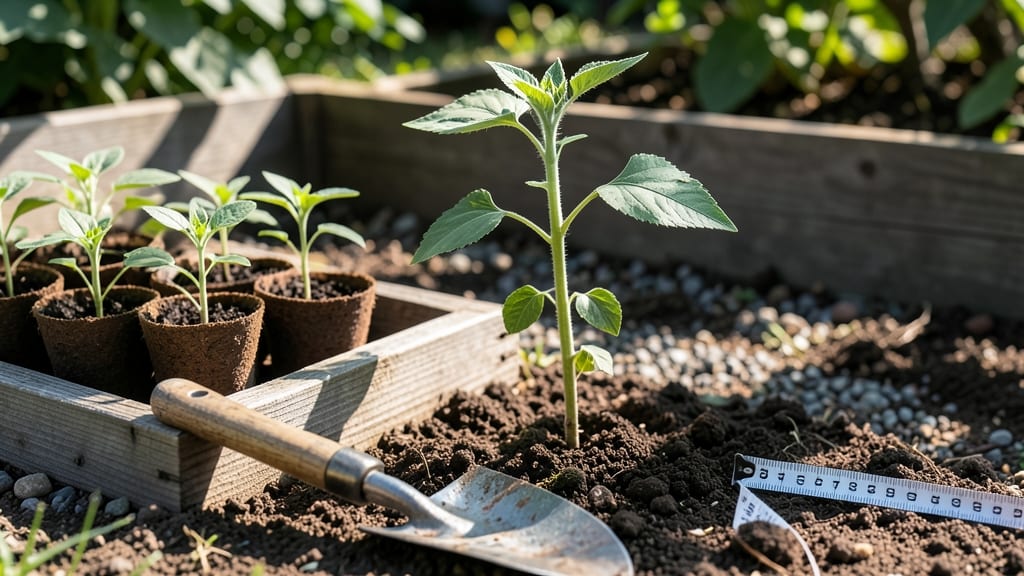
Planting sunflowers in South Carolina after the last frost — typically around mid-April — ensures taller stems and more blooms before summer heat sets in.
Sunflowers thrive in South Carolina’s warm climate—but planting them at the wrong time means shorter stems and fewer blooms. Timing is everything, especially in USDA Zones 8A-8B, where frost-free windows shift yearly.
In this guide, I’ll walk you through the exact planting window for your zone, how to prep your soil for fast germination, and which sunflower varieties handle SC’s heat best.
You’ll also learn how to adjust for microclimates, from coastal humidity to Piedmont heat, so you can grow sunflowers that reach their full potential—no matter where you live in the state.
South Carolina sunflower planting timeline by USDA zone 8A-8B
Timing your sunflower 🌻 planting in USDA Zones 8A-8B means the difference between towering 12-foot stalks and stunted 3-foot shrubs.
South Carolina’s coastal and Piedmont regions have distinct frost-free windows, so I’ll break down the exact planting windows and soil temperature thresholds you need to hit for peak germination and growth.
In Zone 8A-8B, the last average frost date typically falls around March 15, but coastal areas like Charleston may see frost-free conditions 2-3 weeks earlier.
Meanwhile, inland Piedmont regions like Columbia might hold onto frost until late March. These shifts matter because sunflower seeds need soil temperatures above 55°F to sprout reliably.
Here’s the golden planting window for sunflowers in SC: mid-April through mid-June. This timing ensures your plants have 100-120 frost-free days to mature before the first frost hits around November 15.
Planting too early risks rot from cold, wet soil, while late plantings may not reach full height before winter.
For fast-maturing varieties like ‘Teddy Bear’ (50-60 days to harvest), you could push the envelope and plant as late as early July. However, these late plantings will produce smaller blooms and fewer seeds.
If you’re aiming for giant varieties like ‘Russian Giant’ (100+ days to maturity), stick to the April-May window for optimal results.
If you’re in coastal SC (Zone 8B), you can take advantage of earlier soil warming by planting as early as late March. Use a soil thermometer to confirm temperatures are consistently above 55°F before sowing. Inland areas should wait until mid-April to avoid late frost damage.
Fall planting is not recommended for sunflowers in SC’s climate. While you might get sprouts from late summer sowings, the plants won’t have enough time to mature before frost.
Instead, focus on spring plantings for the most dramatic results, especially if you’re growing tall varieties that need the full growing season.
Pro tip: Use black plastic mulch in early spring to warm the soil faster and extend your planting window by 1-2 weeks. This is especially helpful in Piedmont regions where soil stays cooler longer. Just remove the mulch once plants are established to prevent overheating.
For container growing, start seeds indoors 4-6 weeks before your last frost date using biodegradable pots. Transplant outdoors after soil warms to 60°F, and place containers in full sun locations. Containers dry out faster, so monitor moisture closely during summer heatwaves.
Remember, sunflowers are drought-tolerant once established, but they need consistent moisture during germination. Water seeds daily until sprouts appear, then taper to 2-3 times per week during dry spells. Mulching with straw or grass clippings helps retain moisture and suppress weeds.
By
How to adjust sunflower planting for SC’s microclimates
South Carolina’s diverse geography means your sunflower’s success depends on more than just the calendar. Elevation, urban heat islands, and even coastal humidity can shift your ideal planting window by weeks.
In the Piedmont region, higher elevations cool faster, while Charleston’s coastal zone stays warmer longer. These microclimates demand flexibility—what works in Greenville might fail in Hilton Head.
Don’t rely solely on USDA zone averages. Check your local frost dates through the SC State Climate Office or Almanac’s Frost Calculator. A 10-day delay in planting can mean sunflowers bolt before reaching full height.
For example, Upstate SC may need seeds in the ground by mid-April, while Lowcountry gardens can wait until late April without risk.
Urban gardens face unique challenges too. Pavement and buildings trap heat, creating "heat islands" that can push soil temperatures 5-10°F warmer than rural areas. Test your soil with a thermometer—sunflowers need 55°F+ soil to germinate. If your urban plot hits this threshold by March 20th, plant early; if not, wait until April 15th.
- 🌡️ Check soil temps: Use a soil thermometer—sunflowers need 55°F+ for germination. Upstate hits this by March 20th; coastal areas by April 1st.
- 🏙️ Adjust for urban heat: City gardens may be 10°F warmer—plant 1-2 weeks earlier than rural areas.
- ☁️ Humidity matters: Lowcountry needs well-draining soil to prevent fungal rot; Upstate can handle heavier clay.
- 📅 Frost-free backup: Plant successive batches every 2 weeks to extend harvest in Zone 8A.
- 🌿 Companion plants: Pair with basil or marigolds to deter pests in high-humidity areas.
Humidity plays a sneaky role too. Coastal SC’s higher moisture levels can lead to powdery mildew if sunflowers get crowded. Space seeds 12 inches apart in humid zones and 6 inches apart in drier Upstate areas.
For container gardening, use fast-draining mixes to avoid root rot—critical in Zone 8B’s muggy summers.
Leverage local weather apps like Weather Underground or NOAA’s Climate Data to track heatwave patterns. If your area faces consistent 90°F+ days by June, opt for fast-maturing varieties like ‘Teddy Bear’ (56 days) to avoid bolt stress.
In contrast, Upstate gardeners can grow ‘Russian Giant’ (120 days) with a late-June planting.
Pro tip: Mulch heavily in sandy coastal soils to retain moisture, but avoid mulch in clay-heavy Upstate plots—it can trap too much heat. For urban balconies, use self-watering pots to compensate for heat island effects.
With these adjustments, your sunflowers will reach their full potential, no matter where in SC you garden. 🌻