
Flowers
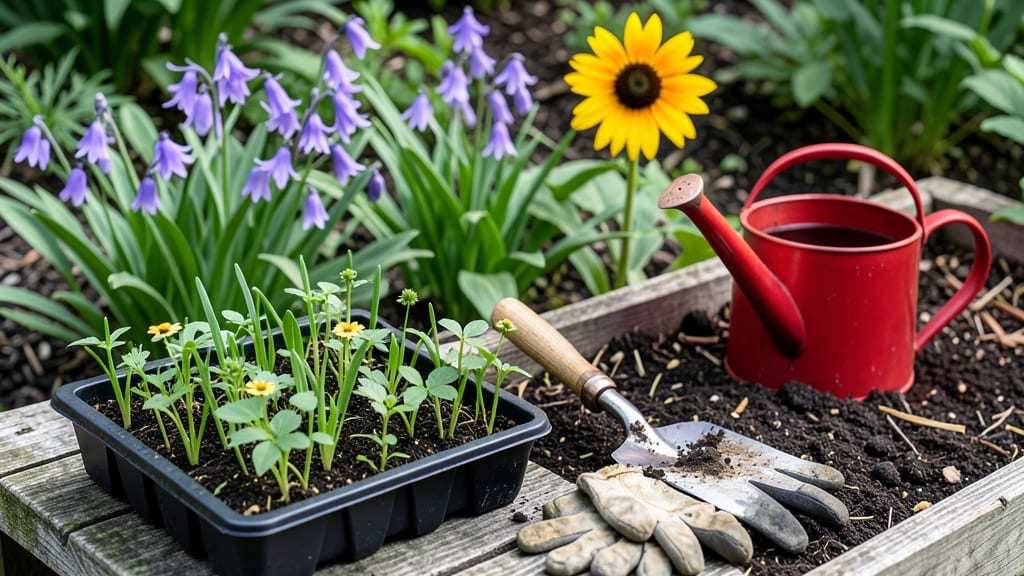
Planting flowers in Virginia at the right time means the difference between a garden bursting with color and one that struggles to take root.
Virginia’s diverse climate—from the humid Piedmont to the coastal plains—means planting flowers at the wrong time can spell disaster for your garden. Timing isn’t just about avoiding frost; it’s about unlocking vibrant blooms all season long.
Whether you’re in the 6a-8a zones, the last frost date shifts from March in the mountains to April near the coast. Missing that window can leave your 🌸 flowers wilting before they even bloom, while planting too early risks frost damage.
Below, I’ll break down the exact planting deadlines by region, the best flowers for each season, and pro tips to extend your blooms—so you can enjoy a garden that thrives year-round.
Virginia frost zones & key planting deadlines by region
Virginia’s USDA Hardiness Zones 6b-8a create a patchwork of microclimates where last frost dates can vary by 3-4 weeks between regions. Whether you’re in Richmond’s Zone 7b or Norfolk’s Zone 8a, timing your flower planting correctly ensures vibrant blooms and healthy growth.
The Piedmont’s cooler nights demand frost-tolerant varieties, while coastal areas enjoy longer growing seasons.
For annual flowers, the golden rule is to plant 4-6 weeks after your average last frost date.
In Zone 6b (Roanoke), that means waiting until mid-April, while Zone 8a (Norfolk) gardeners can start as early as mid-March. Perennials and bulbs have different deadlines—many need 6-8 weeks before frost to establish roots before winter arrives.
Here’s the breakdown of key planting deadlines by Virginia region, including heat-tolerant flowers that thrive in each zone. Use this as your garden calendar to avoid common mistakes like planting tender annuals too early or cool-season flowers too late.
| Region & Zone | Avg. Last Frost | Spring Planting Window | Fall Planting Window | Heat-Tolerant Flowers |
|---|---|---|---|---|
| Roanoke (Zone 6b) | April 15 | April 15–May 15 | September 1–October 1 | Zinnias, Marigolds, Lantana |
| Richmond (Zone 7b) | March 25 | March 25–April 30 | September 15–October 15 | Coneflowers, Black-Eyed Susans, Salvia |
| Norfolk (Zone 8a) | March 1 | February 28–April 15 | October 1–November 1 | Petunias, Vinca, Portulaca |
| Charlottesville (Zone 7a) | April 5 | April 5–May 10 | September 10–October 10 | Dahlias, Rudbeckia, Coreopsis |
| Blacksburg (Zone 6a) | April 20 | April 20–May 20 | August 15–September 15 | Snapdragons, Calendula, Nasturtiums |
In Zone 6b (Roanoke), where late frosts are common, opt for cold-hardy annuals like pansies or snapdragons for early spring color. These frost-resistant flowers can handle light freezes, giving you blooms as early as March if planted in late winter.
For summer blooms, wait until mid-April to plant heat-lovers like zinnias and marigolds.
If you’re in Zone 8a (Norfolk), you’re lucky—your longer frost-free season lets you plant tender annuals like petunias as early as late February.
However, hurricane season (June–November) means protecting young plants with windbreaks or stakes. Fall planting here extends into November, allowing for winter-blooming pansies and calendulas.
For perennials, the best time to plant is early spring (just after the last frost) or early fall (6 weeks before first frost).
In Zone 7b (Richmond), this means April or September. Daylilies and black-eyed Susans thrive here, while dahlias need full sun and well-draining soil to survive Richmond’s hot, humid summers.
Pro tip: Use mulch to regulate soil temperature and retain moisture. In cooler zones (6b), apply 2-3 inches of mulch in late fall to protect roots. In warmer zones (8a), straw mulch helps keep soil cool for heat-sensitive flowers like impatiens.
Always check the Virginia Cooperative Extension for localized frost alerts, as microclimates (like urban heat islands) can shift frost dates by a week or more. For
Best flowers to plant by season in Virginia (with frost-resistance ratings)
Virginia’s spring and fall seasons offer perfect windows for planting flowers, but timing varies dramatically between mountain regions (like Roanoke) and coastal areas (like Norfolk). Cold-hardy annuals like pansies and snapdragons can handle light frosts, while heat-lovers like zinnias and marigolds need warm soil to thrive.
To simplify your planning, I’ve included a frost-resistance rating for each flower type—think of it like a cold tolerance score from 1 (most delicate) to 10 (hardiest).
Pair this with Virginia’s average last frost dates (March 15 inland, April 1 coastal) to avoid common mistakes like planting tender flowers too early.
🌱 Frost-Resistance Ratings & Planting Windows
For spring planting, prioritize cool-season flowers like pansies (rating 9/10) and sweet alyssum (rating 8/10) in February-March. These thrive in Virginia’s 50-60°F soil temps and even tolerate light frosts. Wait until after the last frost (typically mid-April inland) to plant heat-loving annuals like zinnias and marigolds.
In fall, focus on late-summer bloomers like cosmos (rating 6/10) and sunflowers (rating 5/10). These handle Virginia’s first frost dates (October 15 in mountains, November 30 coastal) better than tender spring flowers. Always mulch heavily after planting to protect roots from temperature swings.