
Plants
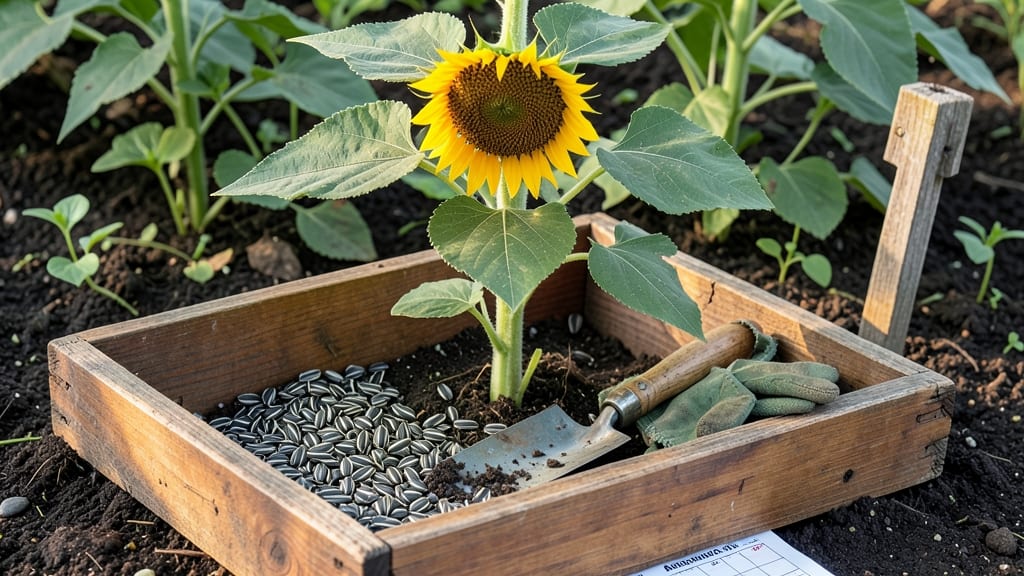
Planting sunflower seeds in Arkansas after the last frost—typically mid-April to early June—is the key to towering blooms and thriving 🌻 plants.
Sunflowers aren’t just beautiful—they’re hardy, fast-growing plants that thrive in Arkansas’ warm climate, but timing your planting right ensures towering blooms instead of wilted disappointment. Get the exact frost-free deadlines for USDA Zone 7b and avoid common mistakes that kill sunflower success.
If you’ve ever watched a sunflower struggle because it was planted too early or too late, you know how critical those deadlines are.
Arkansas’ mild winters and long growing season mean you’ve got a two-month window to get it right, but one wrong move can mean stunted growth or missed blooms.
Here’s what you’ll discover: the precise planting dates for your region, how to prep your soil for maximum growth, and which sunflower varieties perform best in Arkansas’ heat and humidity. Let’s get those seeds in the ground the right way!
Arkansas sunflower planting deadlines by USDA Zone 7b frost dates
Sunflowers in Arkansas love the heat, but timing your planting is everything for those iconic towering blooms. In USDA Zone 7b, the last frost typically arrives between March 15 and April 15, but soil temperatures must reach at least 60°F for seeds to germinate properly.
Planting too early risks frost damage, while waiting too long cuts your bloom season short.
For maximum height and bloom time, aim to plant sunflower seeds 2-4 weeks after your last frost date. This gives your plants enough time to mature before Arkansas’ summer heat peaks.
Early varieties can handle slightly cooler soils, while late varieties need warmer conditions to reach their full potential.
Here’s your Arkansas planting timeline broken down by variety type and frost-free windows:
| Planting Window | Ideal Soil Temp | Sunflower Variety | Height Potential | Bloom Time |
|---|---|---|---|---|
| March 20–April 15 (backup window) | 55–60°F | Early varieties (e.g., 'Teddy Bear', 'Moulin Rouge') | 3–6 ft | July–August |
| April 15–May 15 (primary window) | 60–65°F | Standard varieties (e.g., 'Autumn Beauty', 'ProCut') | 8–12 ft | August–September |
| May 1–June 1 (late window) | 65–70°F | Late varieties (e.g., 'Russian Giant', 'Mammoth') | 12–16 ft | September–October |
| July 1–August 1 (emergency window) | 70°F+ | Dwarf varieties (e.g., 'Sunspot', 'Little Becka') | 2–4 ft | October–November |
If spring delays push your last frost past April 15, don’t panic—sunflowers are resilient! Use row covers or plant dwarf varieties in containers for a July backup window. These compact types bloom faster and handle Arkansas’ summer heat better than their towering cousins.
For optimal sunflower growth, focus on soil temperature over calendar dates. Use a soil thermometer to confirm 60°F+ before planting. In Arkansas’ humid climate, warm soils speed up germination and reduce rot risks.
Pro tip: Stagger your plantings every 2 weeks to extend your bloom season. Early plantings (March–April) give you summer flowers, while late plantings (May–June) reward you with fall blooms—perfect for Arkansas’ mild autumns.
Remember, sunflowers thrive on full sun and patience. With the right timing, you’ll enjoy 10–12 foot stalks that outshine even the brightest Arkansas sky. Happy planting!
5 Critical factors that determine your sunflower planting success in Arkansas
Sunflowers in Arkansas need more than just the right frost dates—they thrive when you nail soil conditions, sunlight exposure, and spacing. Arkansas' humidity and heat can make or break germination, so let's dive into the 5 critical factors that separate wilted failures from towering, golden successes.
These tips ensure your sunflowers grow strong despite Arkansas' unpredictable spring weather.
First, Arkansas' soil pH must be between 6.0 and 7.5—sunflowers hate acidic soil. Test your garden soil before planting, and amend with lime if needed. The state's clay-heavy soils in areas like Little Rock can compact easily, so mix in compost or sand to improve drainage.
Poor drainage leads to root rot, which kills sunflowers before they bloom.
Full sun exposure is non-negotiable—sunflowers need 6+ hours of direct sunlight daily. In Arkansas, this means planting in south-facing garden beds where shade from trees won't block sunlight. Even partial shade reduces flower size and seed production. If you're in wooded areas, consider container gardening on a sunny patio instead.
Next, spacing determines how tall your sunflowers grow. Plant dwarf varieties (like 'Teddy Bear') 12 inches apart, while standard varieties (like 'Mammoth') need 24 inches of space.
Crowding stresses plants, leading to pale stems and fewer blooms. Arkansas' high humidity also increases fungal risks, so proper spacing improves airflow and reduces disease.
🌻 5 Critical Factors for Arkansas Sunflower Success
- 🌱 Soil pH 6.0–7.5: Test and amend clay-heavy soils with compost to prevent compaction.
- ☀️ Full sun (6+ hours): South-facing beds only—no shade tolerance for optimal growth.
- 📏 Spacing (12–24"): Dwarf varieties need 12", tall types need 24" to avoid fungal issues.
- 💧 Humidity-resistant varieties: Choose 'Autumn Beauty' or 'ProCut' for Arkansas' damp summers.
- 🌡️ Heat tolerance: Plant in early spring (April) or late summer (July) to avoid peak humidity stress.
Arkansas' humidity is a double-edged sword—it helps sunflowers grow fast but also encourages powdery mildew. To combat this, choose disease-resistant varieties like 'Autumn Beauty' or 'ProCut,' which handle Arkansas' 90°F+ summers better than others. If you notice white powder on leaves, spray with neem oil immediately to prevent spread.
Finally, timing matters. Plant early varieties (like 'Moulin Rouge') in late March for summer blooms, or late varieties (like 'Russian Giant') in June for fall harvests. Arkansas' long growing season (180–220 frost-free days) lets you experiment, but avoid planting in July—the heat can stress seedlings before they establish.
By mastering these 5 critical factors, your Arkansas sunflowers will reach their full potential—towering over your garden with bold blooms and hearty seeds, no matter the weather. Happy planting! 🌻