
Plants
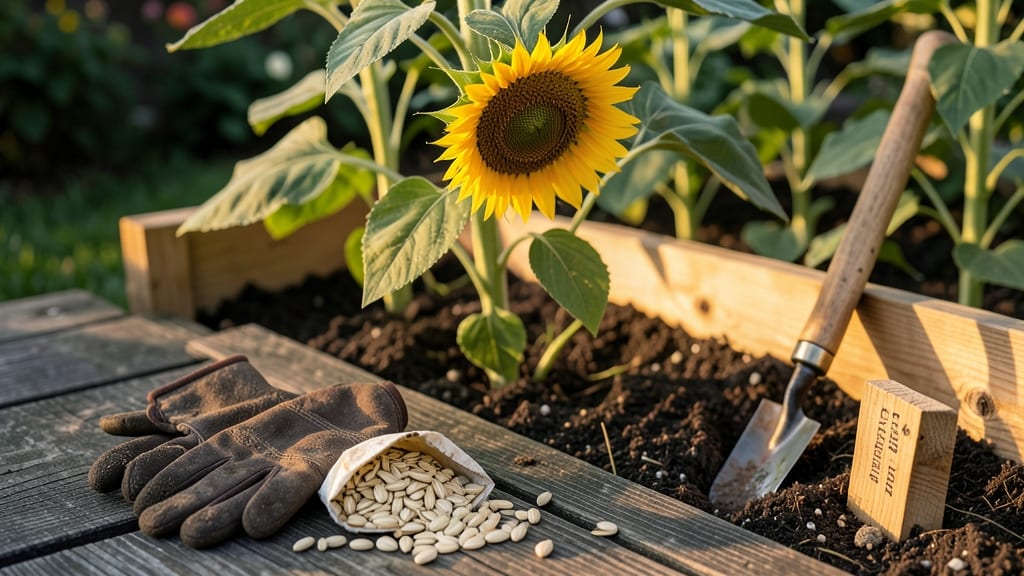
Planting sunflower seeds in Pennsylvania after the last frost—typically by mid-May—ensures your 🌻 giants thrive before summer’s heat sets in.
Picture this: you’ve waited all winter for those towering blooms, only to watch them wilt under a late frost or bolt in the heat. In USDA Zones 5-7, timing isn’t just a suggestion—it’s the difference between a 12-foot masterpiece and a sad, stunted plant.
Sunflowers grow fast, but they need warm soil to germinate. Plant too early, and frost will kill them; too late, and you’ll miss the 75-day window to harvest before fall. The key? Check your local frost dates, test soil warmth, and pick varieties that match your season.
Below, I break down the best planting windows by zone, how to prep soil for success, and the one trick that extends your sunflower season—even if you’re in a cooler microclimate.
Best planting dates for sunflowers in Pennsylvania by Zone (5, 6, 7)
Pennsylvania's USDA Zones 5-7 offer diverse climates, but sunflowers thrive best when planted after the last frost date. In Zone 5, wait until mid-May, while Zones 6 and 7 can start as early as late April. Soil temperature plays a critical role—seeds need 55°F+ to sprout reliably.
Short-day varieties like 'Teddy Bear' mature faster (60-70 days) and tolerate cooler soils, making them ideal for early May planting. Tall varieties such as 'Mammoth' (90+ days) need warmer soil and should wait until late May to avoid stunted growth.
Local microclimates matter! Mountainous areas in Zone 5 may face later frosts, while urban heat islands in Zone 7 can plant 2 weeks earlier. Always check your average last frost date (typically April 15-30 for PA).
For maximum blooms, aim to plant sunflowers when daytime temperatures consistently reach 70°F+. This ensures robust root development before summer's peak heat arrives. Early planting risks frost damage, while late planting may delay flowering until fall's first frost.
| Zone | Last Frost Date | Optimal Planting Window | Soil Temp Requirement | Variety Recommendation |
|---|---|---|---|---|
| 5 | April 15-May 1 | Mid-May to early June | 55°F+ (13°C+) | 'Teddy Bear', 'Autumn Beauty' |
| 6 | April 1-May 15 | Late April to early June | 55°F+ (13°C+) | 'ProCut', 'Sunburst' |
| 7 | March 20-April 30 | Late March to mid-June | 60°F+ (16°C+) | 'Russian Giant', 'Moulin Rouge' |
If you're eager to start earlier, use row covers to warm soil and protect seedlings. Remove covers once true leaves appear (about 7-10 days). For late summer blooms, plant a second batch in early July—just ensure seeds have 8-10 weeks before your first frost.
Pennsylvania's short growing season in Zone 5 demands careful variety selection. Dwarf varieties like 'Sunspot' (3-4 feet tall) mature in 60 days, giving you a head start. In contrast, 'American Giant' (12+ feet) needs 120 days and should only be planted in Zones 6-7.
Monitor your garden's microclimate—south-facing beds warm faster than north-facing ones. If your area experiences late spring frosts, wait until mid-June for tall varieties. Always plant seeds 1 inch deep and 6-12 inches apart, depending on the mature size of your chosen variety.
For continuous blooms, stagger plantings every 2 weeks from May through July. This ensures fresh sunflowers from early summer through fall frost. Just remember: sunflowers need full sun (6+ hours daily) to reach their full potential.
Pro tip: Test your soil's temperature with a soil thermometer before planting. If it's below 55°F, wait a few days or use black plastic mulch to warm the soil faster. This simple step can mean the difference between vigorous growth and slow, leggy seedlings.
In Pennsylvania's variable climate, flexibility is key. If an early frost threatens, harvest seeds from mature heads before they drop. Store them in a cool, dry place for next year's garden—just like the pros!
How to extend your sunflower season in Pennsylvania (cold start vs. heat tolerance)
Pennsylvania's USDA Zones 5-7 offer short but vibrant growing seasons for sunflowers—but late frosts and early heat waves can cut your blooms short. The key to a longer display? Strategic planting and variety selection tailored to your climate challenges.
I've learned that early starts with cold protection and late-season varieties with heat tolerance can stretch your sunflower season by up to 6-8 weeks.
For gardeners in western PA, where summers arrive earlier, you might start seeds indoors by March 15 under grow lights. Eastern PA gardeners should wait until April 1 to avoid frost damage.
The secret lies in understanding your microclimate—whether you're in a frost pocket or urban heat island—and adapting your approach accordingly.
Here's my battle-tested strategy for extending your sunflower season, broken down into actionable steps:
Use floating row covers to plant 2-3 weeks before last frost date (typically May 1-15 in PA). Covers raise soil temp by 3-5°F and protect seedlings.
Lay black landscape fabric 2 weeks before planting to raise soil temp to 60°F+. Remove fabric before sowing to avoid seed rot.
Plant 'Autumn Beauty' (late bloomer) or 'Moulin Rouge' (heat-resistant) for August-September blooms when days shorten.
Sow new seeds every 14 days from May through July for continuous blooms. Space seeds 1-2 inches apart in rows 2 feet apart.
Plant June 15-July 1 in cold frames for fall blooms. Remove frames when temps exceed 85°F to prevent overheating.
My favorite heat-resistant varieties for late starts include 'ProCut' (great for cut flowers) and 'Russian Giant' (tolerates up to 95°F). These varieties continue blooming when other sunflowers wilt under July heat.
For early planting, I've had success with 'Teddy Bear' and 'Moulin Rouge', which handle cooler soils better than standard varieties.
Don't forget about succession planting—this is how I've achieved sunflowers in bloom from June through October. By staggering plantings every two weeks, I ensure a continuous display while also extending the pollinator season.
Just be mindful of crowding as plants mature, and thin seedlings to 12-18 inches apart once they reach 6 inches tall.
For gardeners in Zone 5 (western PA), focus on early starts with row covers. Zone 6-7 gardeners should prioritize heat-tolerant varieties and late-season plantings. With these strategies, you'll transform your garden into a sunflower paradise that lasts all summer long. 🌻