
Plants
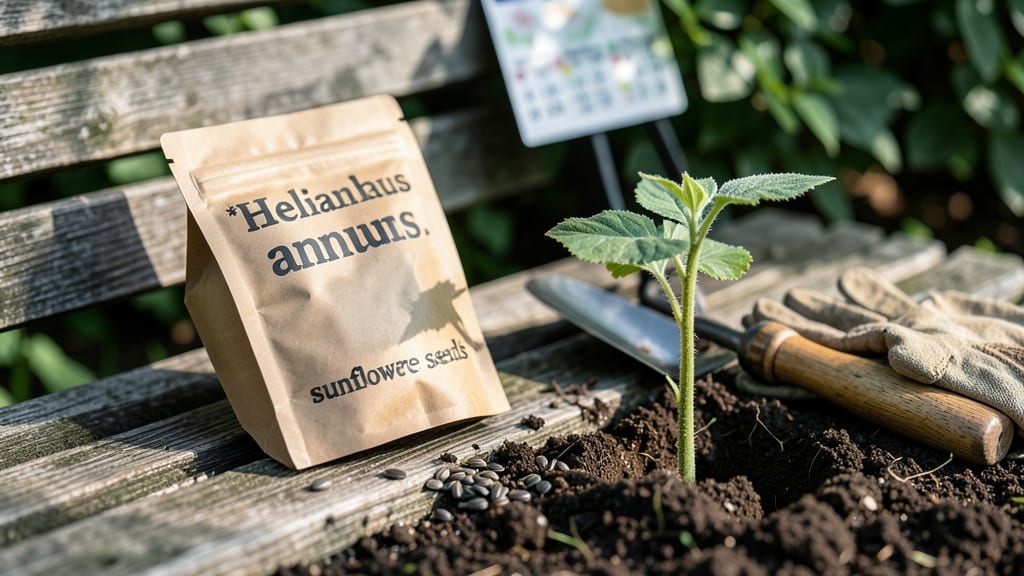
To plant sunflower seeds in Maryland, aim for mid-April to late June when soil temperatures hit 55°F—any earlier risks frost damage, while late plantings may not mature before fall.
Maryland’s unpredictable spring weather can turn sunflower planting into a guessing game—but timing your seeds just right ensures towering blooms by summer. Whether you’re growing dwarf varieties for cut flowers or giant sunflowers for bird feeders, knowing the exact frost-free window for your Maryland zone is the key to success.
In USDA zones 6b-7a, most gardeners wait until after the last frost (around April 15) to sow seeds directly in the ground. Coastal areas like the Eastern Shore may have slightly later deadlines, while inland zones like Frederick can plant a week earlier.
Below, I’ll break down the best planting windows by variety, soil prep tips, and how to extend your growing season if you miss the ideal window. Ready to grow those 10-foot giants? Let’s get started.
Maryland sunflower planting deadlines by USDA hardiness zones (5b-7a)
Maryland’s USDA zones 5b-7a create distinct planting windows for sunflowers, with last frost dates varying by region. In Western Maryland (Frederick County), zone 6b, you’ll typically see frost by April 15, while Eastern Shore (zone 7a) often warms up by March 20.
Baltimore’s zone 7a falls in between, with a last frost around April 1. These differences mean your planting timeline should shift based on your exact location.
Sunflower seeds need soil temperatures above 55°F to germinate properly. In cooler zones like zone 5b (Western MD mountains), wait until mid-May for direct sowing, while zone 7a areas can start as early as late March under protective covers.
Transplants can go in 2-3 weeks earlier than seeds, giving you flexibility if spring arrives late.
Here’s how to match your Maryland location with the perfect planting window:
For zone 5b gardeners, focus on late May planting to avoid frost damage. In zone 7a, you can even try March sowings under row covers or in a greenhouse. The key is monitoring soil temperature—use a soil thermometer to confirm it’s hit 55°F before planting seeds directly.
Transplants can handle slightly cooler soil (50°F), giving you a 2-week head start.
If you miss the spring window, don’t worry—sunflowers are heat-loving annuals that thrive with late summer plantings. In zone 7a, you can sow seeds as late as July 1 for fall blooms, though varieties like ‘Moulin Rouge’ (dwarf) mature faster than ‘Russian Giant’.
Just ensure they receive 6+ hours of sun daily and water deeply during establishment.
Maryland’s microclimates mean your neighbor’s frost dates may not match yours. Check local Maryland Extension reports or use Almanac’s Frost Calculator for real-time updates. For example, Baltimore’s Inner Harbor (zone 7a) often sees 10°F warmer nights than nearby Howard County due to urban heat islands.
Adjust your planting by 1-2 weeks accordingly.
Pro tip: Use black plastic mulch to warm soil faster in zone 5b areas. This can push your direct sowing window 10-14 days earlier by raising soil temps 5-10°F. Pair this with seedling trays
Best sunflower varieties for Maryland’s climate & their ideal planting times
Maryland gardeners have plenty of sunflower options, but not all varieties thrive equally in our USDA zones 5b-7a. The key difference between dwarf sunflowers and giant varieties isn’t just height—it’s planting timing and heat tolerance.
Early-blooming types like ‘Teddy Bear’ can handle Maryland’s cooler springs, while late-season giants like ‘Russian Giant’ need warmer soil to germinate successfully. Local nurseries like Growers Supply and Maryland Grows recommend matching your variety to your last frost date.
For Maryland’s coastal regions (like Eastern Shore), where springs are cooler, dwarf varieties like ‘Moulin Rouge’ (4-5 ft tall) should be planted as soon as soil reaches 55°F, typically mid-April.
Inland areas (like Frederick County) with warmer microclimates can start giant varieties like ‘Autumn Beauty’ slightly earlier, around late March, but only if using row covers to protect young seedlings from late frosts.
| Variety | Type | Height | Days to Mature | Best Planting Time | Maryland Notes |
|---|---|---|---|---|---|
| Teddy Bear | Dwarf | 2-3 ft | 50-55 days | Mid-April to May 15 | Early bloomer; great for cut flowers and deer-resistant gardens. |
| Moulin Rouge | Dwarf | 4-5 ft | 60-65 days | April 15 to May 10 | Heat-tolerant; long vase life for bouquets. |
| Russian Giant | Giant | 10-14 ft | 80-100 days | May 1 to June 1 | Needs warmer soil (60°F+); best for late summer displays. |
| Autumn Beauty | Standard | 6-8 ft | 70-80 days | April 20 to May 20 | Color-changing blooms; bird-friendly seeds. |
| ProCut | Semi-Dwarf | 4-5 ft | 65-70 days | April 15 to June 1 | Florist favorite; disease-resistant. |
If you’re growing ‘Russian Giant’ sunflowers in Maryland’s Western regions (like Hagerstown), aim for late May planting to avoid early summer heat stress. These giants need at least 80 days of warm weather to reach maturity, so planting too early risks stunted growth.
For dwarf varieties, like ‘Teddy Bear’, you can push the envelope by sowing seeds as early as March in southern Maryland (zones 7a-8a), but always use row covers until the last frost.
Local Maryland experts at the University of Maryland Extension recommend soil temperature