
Plants
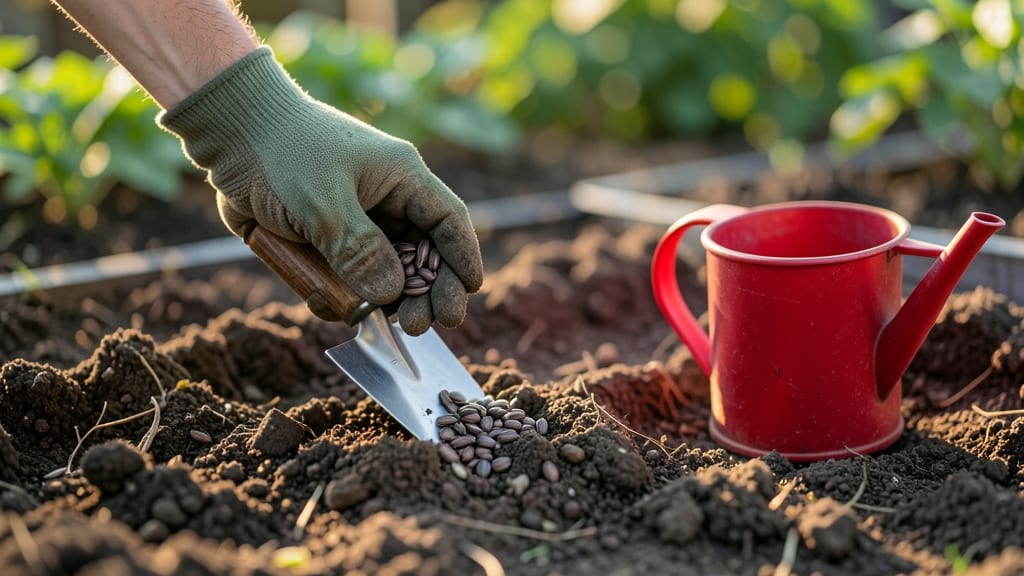
Plant sunflower seeds in Oklahoma after the last frost, when soil temperatures hit 50°F or warmer — typically late April to early June — to unlock fast germination and towering 🌻 blooms.
If you’ve ever watched your sunflower seedlings wilt under a late spring frost or bolt into flower too soon, you know timing matters more than the calendar. Oklahoma’s unpredictable weather demands a smarter approach: soil temperature, not just dates, is the real trigger for success.
Most gardeners in USDA zones 6b-8a wait until mid-April, but that’s just a starting point. Urban heat islands in Oklahoma City can push germination weeks earlier, while western Oklahoma’s dry soils may need a head start. The key? Testing soil temps with a simple thermometer and adjusting your schedule accordingly.
In this guide, I’ll break down the exact soil triggers for fast growth, how to spot the ideal window in your microclimate, and which sunflower varieties thrive in Oklahoma’s short but intense growing season. No more guesswork — just bigger blooms and longer harvests.
Oklahoma’s ideal sunflower planting window by soil temperature zones
Oklahoma’s diverse climate—from the cooler Panhandle to the warmer South—creates unique planting windows for sunflowers. The key to success lies in soil temperatures, not just calendar dates. Sunflower seeds need 50-60°F soil to germinate, but they grow fastest when soil hits 70°F+.
Planting too early risks frost damage, while waiting too long may shorten your blooming season.
Northern Oklahoma (USDA zones 6b-7a) has the shortest growing season, while Southern Oklahoma (zones 7b-8a) enjoys longer warmth. Even within regions, microclimates—like urban heat islands or windy plains—can shift your ideal planting window by 2-3 weeks.
Always check your local last frost date, which typically ranges from mid-March in the South to late April in the North.
| Region | USDA Zone | Last Frost Date | Ideal Planting Window | Soil Temp Trigger | Frost Risk |
|---|---|---|---|---|---|
| North OK (Panhandle) | 6b-7a | Late April | Mid-May to early June | 55-60°F | High (late spring) |
| Central OK (Oklahoma City) | 7a-7b | Mid-April | Late April to early May | 50-55°F | Moderate (early spring) |
| South OK (Tulsa) | 7b-8a | Early April | Late March to mid-April | 45-50°F | Low (mild winters) |
| Urban Heat Islands | All zones | 1-2 weeks earlier | Adjust planting 2 weeks early | 60°F+ (warmer microclimate) | Low (heat protects from frost) |
In Northern Oklahoma, wait until soil reaches 55-60°F—typically mid-May—to avoid frost. The Panhandle has the highest frost risk, so opt for fast-maturing varieties like ‘Teddy Bear’ (50-60 days to bloom).
Central Oklahoma gardeners can plant as early as late April when soil hits 50°F, but monitor forecasts for late frosts.
Southern Oklahoma’s milder winters let you plant as early as March, but soil may still be cool. Use a soil thermometer to confirm 45-50°F before sowing. This region can support two plantings: one in spring and another in early summer for fall blooms.
Just ensure your second planting finishes before the first frost in November.
Urban areas like Oklahoma City and Tulsa experience heat islands, where pavement and buildings raise soil temps by 5-10°F. Plant 2 weeks earlier in these spots, but mulch heavily to retain moisture.
For rural areas, watch for wind exposure, which can dry soil faster—water deeply after planting to encourage strong roots.
Pro tip: If your soil is too cold for direct sowing, start seeds indoors under grow lights 2-3 weeks before your target outdoor date. Transplant seedlings when soil warms to 60°F+. This trick extends your growing season by 3-4 weeks in cooler zones.
For drought-prone western Oklahoma, choose drought-tolerant varieties like ‘ProCut’ and plant in well-drained soil. Water deeply once a week after germination to establish roots before tapering to bi-weekly watering. Mulching with straw or wood chips locks in moisture and regulates soil temperature.
Remember: Sunflowers are heat
How to test soil temperature and adjust planting for Oklahoma’s unpredictable weather
Oklahoma’s weather can swing from freezing nights to scorching days in a matter of weeks, making soil temperature your best friend when planting sunflower seeds. Unlike air temperature, soil stays warmer longer, creating the ideal germination zone for sunflowers.
If you plant too early, seeds may rot; too late, and you’ll miss the 100-day growing window before fall frosts. Let’s master the science behind it.
Most sunflower varieties need soil temperatures between 50-60°F to sprout reliably, but they’ll grow fastest at 70°F+. In Oklahoma, this typically aligns with late April to early May in central regions, but northern areas like Oklahoma City may need to wait until mid-May.
Southern zones like Tulsa can start as early as mid-April. The key? Test your soil—don’t guess.
⚠️ callout warning
If a frost warning appears after you’ve planted, cover seedlings with frost blankets or row covers. Sunflowers are frost-sensitive—even young sprouts can die back if temps drop below 32°F. For emergency protection, use black plastic mulch to absorb heat during the day and radiate it back at night.
Pro Tip: Plant fast-maturing varieties (like ‘Moulin Rouge’) if you’re pushing early dates. These reach maturity in 60-70 days, giving you a buffer against late frosts.
A soil thermometer is your secret weapon—insert it 2 inches deep (where sunflower seeds will be) and check readings in the early morning (soil is coolest then). Aim for 55°F+ for consistent germination.
If your soil is below 50°F, wait 1-2 weeks or use a seedling heat mat to jumpstart growth. Pro tip: Dark, moist soil warms faster than light or dry soil—amend with compost to improve heat retention.
Oklahoma’s heatwaves can also throw off timing. If soil hits 85°F+, germination slows or stops entirely. To adjust, plant in partial shade (like under a 50% shade cloth) until soil cools, or switch to late-summer planting (August) for a fall harvest.
Just remember: sunflowers need full sun to thrive, so move them to a sunny spot once they’re established.
For emergency adjustments, monitor the National Weather Service for 10-day forecasts. If a heatwave is coming, prioritize watering deeply before planting to keep soil cool. If a cold snap is predicted, delay planting until stable 60°F+ soil temps return.
In western Oklahoma, where drought is common, mulch with straw to maintain even soil temperatures and moisture.
Don’t let Oklahoma’s unpredictable weather derail your sunflower dreams. With a soil thermometer, a little patience, and these adjustments, you’ll nail the perfect planting window—whether you’re growing giant varieties for cut flowers or dwarf sunflowers for containers. Happy planting! 🌻