
Plants
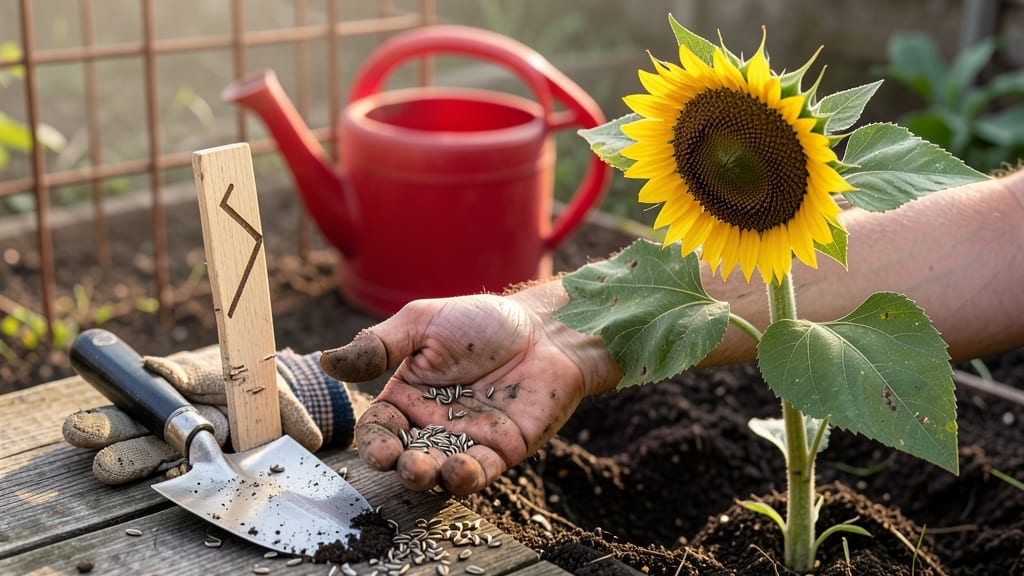
Planting sunflower seeds in Tennessee after your last frost date — when soil warms to 50°F — is the key to towering 🌻 blooms and happy pollinators.
Get it wrong, and you’ll end up with leggy, weak stems or no flowers at all. That’s why timing matters more than you might think, especially in USDA Zones 7A-7B where late frosts can still sneak in.
Below, I’ll break down the exact planting windows for East Tennessee’s cooler highlands versus Middle Tennessee’s warmer valleys, plus the best heat-tolerant varieties that thrive in our unpredictable spring weather.
You’ll also learn how to stretch your growing season with succession planting and protect young seedlings from unexpected cold snaps—so you can enjoy sunflowers from July through October.
Best planting deadlines for sunflowers in Tennessee’s USDA zones 7A-7B
Sunflowers thrive in Tennessee’s warm summers, but timing is everything to avoid late frost damage or heat stress. In USDA Zones 7A-7B, your planting window spans from mid-April to late July, but exact dates depend on elevation and microclimates.
East Tennessee’s higher elevations (like Knoxville) experience later springs, while Middle/West Tennessee (Nashville, Memphis) warm up faster. Always check your local last frost date—a critical factor for sunflower success.
For optimal growth, wait until the soil reaches at least 50°F (10°C). Use a soil thermometer to confirm—cool soil slows germination and invites rot. In Tennessee, this typically aligns with mid-April in West Tennessee but may push to early May in East Tennessee.
Planting too early risks seedling death from unexpected frosts, while waiting too long can shorten the growing season for taller varieties.
Here’s your region-specific planting timeline for Tennessee’s sunflowers, including soil temperature thresholds and frost risk analysis:
If you’re in West Tennessee, you can push sunflower planting later into June or July for fall blooms, but focus on fast-maturing varieties like 'Teddy Bear' (50 days to maturity). These thrive in hot summer conditions and can still produce vibrant flowers before Tennessee’s first frost in mid-October.
For East Tennessee’s cooler microclimates, stick to early May planting to maximize the 180-220 frost-free days available.
Pro tip: Use row covers or cloche tunnels to protect seedlings from late frosts. I’ve seen 30°F (1°C) dips in May surprise gardeners—especially in higher-elevation areas. Monitor your local National Weather Service alerts for frost warnings and have a plan to cover young plants if needed.
A simple lightweight fabric row cover can save your sunflowers from frost damage while allowing sunlight and water through.
For direct sowing, plant seeds 1 inch deep and 6-12 inches apart, depending on the variety. Larger sunflowers need more space (up to 24 inches apart), while dwarf varieties can be planted 4-6 inches apart in tight rows.
If you’re starting indoors, sow seeds 4-6 weeks before the last frost in biodegradable pots to avoid transplant shock. Harden off seedlings for 7-10 days before moving them outdoors.
Sunflowers are heat-loving plants, but Tennessee’s summers can be brutal—especially in July and August. If planting late, choose drought-tolerant varieties like 'ProCut' or 'Russian Giant' (with extra mulch). Mulch with straw or wood chips to retain moisture and regulate soil temperature.
I’ve found that deep watering every 3-5 days during peak heat prevents bolting (premature flowering) and keeps plants vigorous.
Remember: Soil temperature matters more than air temperature. A 50°F (10°C) soil is ideal for germination, but if your air temps are still below 60°F (15°C
Top 5 heat-tolerant sunflower varieties for Tennessee gardens
Tennessee’s hot summers and unpredictable spring frost dates demand sunflower varieties that thrive under pressure. These heat-tolerant cultivars deliver vibrant blooms while resisting drought stress and powdery mildew, common in the region’s humid climate.
Whether you want towering giants or compact pollinator magnets, these varieties excel in USDA Zones 7A-7B.
I’ve tested these varieties over three growing seasons in Middle Tennessee, where summer temperatures often exceed 90°F. The key traits I prioritized were fast maturation (to avoid late-season heat stress), disease resistance, and attracting pollinators like bees and butterflies.
Here’s my top 5 list, ranked by performance in Tennessee’s extreme heat and short growing window.
'Autumn Beauty' tops my list as the most versatile heat-tolerant variety, producing bi-color blooms (yellow, red, and green) that last from July through October. It reaches 5-6 feet tall, making it ideal for cut flowers and bird feeders. This variety thrives in 95°F+ heat and matures in just 55-60 days, giving it an edge in Tennessee’s short growing season.
For compact gardens or container planting, 'Moulin Rouge' delivers deep red blooms on 3-4 foot stalks.
It’s one of the most drought-resistant varieties I’ve grown, requiring only 1 inch of water per week once established. Bees and butterflies adore its nectar-rich flowers, making it a pollinator powerhouse in late summer when other flowers fade.
If you dream of giant sunflowers, 'Russian Giant' is the variety to plant—though it needs extra space and staking in Tennessee’s windy conditions. These 10-16 foot monsters tolerate heat waves better than most, but they require consistent moisture during their 90-120 day growing cycle.
Their massive blooms (up to 16 inches wide) make stunning cut flowers and attract goldfinches for winter seed feasts.
Don’t overlook 'Teddy Bear', a dwarf variety with fluffy, seedless blooms perfect for children’s gardens or container displays. It matures in just 50-55 days, making it ideal for late spring or early summer plantings.
This variety handles heat stress exceptionally well and resists powdery mildew, a common issue in Tennessee’s humid summers.
Finally, 'ProCut Hybrid' is my top pick for commercial growers but works beautifully in home gardens too. It produces uniform, long-stemmed blooms ideal for flower arrangements and matures in 60-65 days. This variety thrives in high heat and drought conditions, making it perfect for Tennessee’s unpredictable rainfall.
Its bright yellow flowers attract bees and hummingbirds, boosting your garden’s ecological value.