
Plants
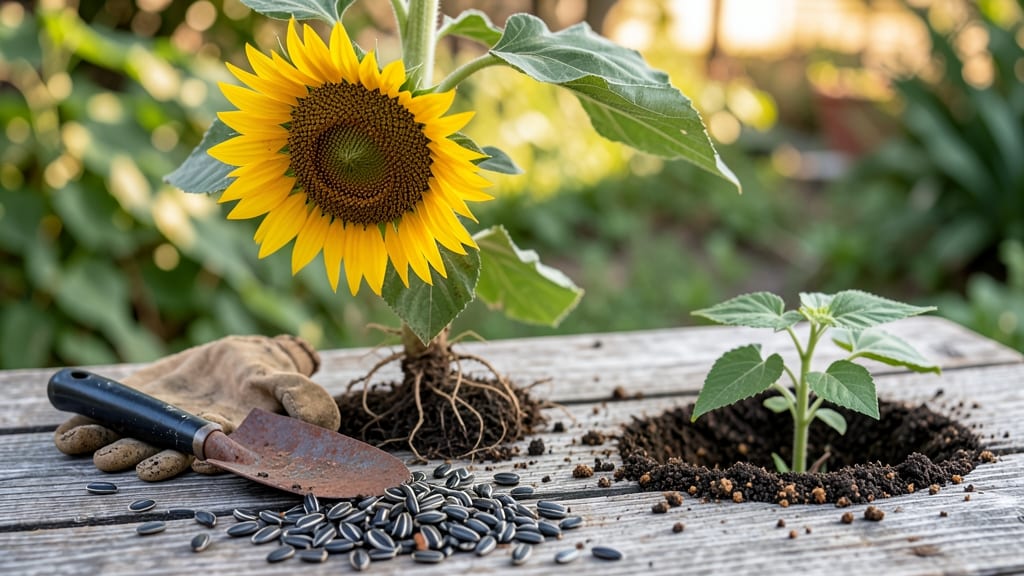
Plant sunflower seeds in Florida between February and April or August and October for the best blooms, avoiding the brutal summer heat that can stress seedlings.
You might think Florida’s year-round warmth means sunflowers can grow anytime, but timing matters—especially when dealing with heat-tolerant varieties that still need a break from the midday sun.
North Florida’s cooler winters allow for early spring planting, while South Florida’s frost-free zones let you sow seeds almost any month. The key is preparing soil rich in organic matter and spacing seeds properly to avoid overcrowding as they grow.
Below, I’ll break down the exact months to plant by region, the best heat-resistant varieties, and how to keep your sunflowers thriving in Florida’s intense climate—so you can enjoy those towering 🌻 blooms from spring through fall.
Best planting times for sunflowers in Florida’s climate zones
Florida’s diverse climate zones—from North Florida’s cooler winters to South Florida’s tropical heat—create unique opportunities for growing sunflowers year-round. Unlike northern states, where frost limits planting to spring, Florida gardeners can sow seeds in multiple windows for continuous blooms.
The key is matching your USDA Zone (8a-11) with the right timing to avoid heat stress or missed harvests.
In North Florida (Zones 8a-8b), where last frost dates hover around mid-January, I recommend starting seeds 2-3 weeks after frost risk passes—typically by mid-February. This gives seedlings time to establish before summer’s intense heat arrives.
Meanwhile, Central Florida (Zones 9a-9b) can plant as early as January, while South Florida (Zones 10a-11) enjoys frost-free conditions year-round, allowing year-round sowing with peak seasons in fall and spring.
For spring plantings, aim to sow seeds by mid-April in North Florida to ensure blooms before summer’s peak heat. In Central and South Florida, you can extend this to May with shade cloth for seedlings.
My favorite late-summer strategy is planting in August—this gives sunflowers time to mature before fall’s cooler temps and avoids the June-August humidity that invites fungal diseases.
Don’t overlook winter sowing in South Florida! While North Florida gardeners should wait until February, Zone 10-11 growers can plant December-January for spring blooms.
Use heat-tolerant varieties like 'Evening Sun' or 'Russian Giant'—these thrive when others wilt. Just ensure your soil stays above 60°F; colder snaps can delay germination.
If you’re growing sunflowers for cut flowers or seeds, time your plantings to align with harvest needs. For example, spring plantings yield summer blooms (May-July), while fall plantings produce winter flowers (Sept-Nov).
In South Florida, you can even stagger plantings every 6 weeks for a continuous harvest of seed heads.
One common mistake? Planting too late in summer’s peak heat. Seeds struggle to germinate when soil temps exceed 90°F. To beat the heat, I recommend pre-sprouting seeds indoors under grow lights, then transplanting seedlings into the garden.
This 2-3 week head start gives them a fighting chance in June-July’s brutal conditions.
For container growing, Florida’s urban gardeners can plant sunflowers year-round in large pots (10+ gallons). Just ensure your containers have drainage holes and use lightweight potting mix to prevent root rot. In North Florida, bring pots indoors or use row covers during unexpected cold snaps below 40°F.
Remember: Florida’s microclimates mean your neighbor’s success might not match yours. Pay attention to local frost data, soil warmth, and rainfall patterns—these factors often matter more than the calendar. With the right planting timing and heat-tolerant varieties, you’ll enjoy sunflowers blooming almost year-round.
Top heat-tolerant sunflower varieties perfect for Florida gardens
Florida’s summer heat and humidity can challenge sunflowers, but these heat-tolerant varieties thrive year-round with minimal fuss. I’ve selected five top performers that handle Florida’s 90°F+ temperatures while delivering stunning blooms and drought resistance. Whether you’re growing for cut flowers or birdseed, these varieties won’t disappoint.
Each variety offers unique benefits—from compact sizes for small gardens to tall varieties perfect for cut flower arrangements. The key to success? Proper spacing and consistent moisture during Florida’s dry spells.
Let’s dive into the best heat-resistant sunflowers for your garden, including their bloom times, mature heights, and ideal spacing for Florida’s sandy soil.
🌻 Variety 🌡️ Heat Tolerance ⏳ Bloom Time 📏 Spacing 💧 Water Needs Moulin Rouge Excellent 60-70 days 12-18" Moderate Autumn Beauty Very High 55-65 days 12-18" Low ProCut High 70-80 days 18-24" Moderate Italian White Excellent 60-70 days 12-18" Low Teddy Bear Very High 50-60 days 6-12" Low
| Variety | Bloom Time | Mature Height | Drought Resistance | Ideal Spacing | Best For |
|---|---|---|---|---|---|
| Moulin Rouge | 60-70 days | 4-5 ft | High | 12-18" | Cut flowers, containers |
| Autumn Beauty | 55-65 days | 3-5 ft | Very High | 12-18" | Drought-prone areas |
| ProCut | 70-80 days | 6-8 ft | Moderate | 18-24" | Bouquets, tall arrangements |
| Italian White | 60-70 days | 5-6 ft | Very High | 12-18" | Heat waves, pollinators |
| Teddy Bear | 50-60 days | 2-3 ft | Very High | 6-12" | Small gardens, kids |
For Florida’s sandy soil, I recommend amending beds with compost before planting to improve moisture retention. Mulch with straw or wood chips to keep roots cool during summer’s peak heat. Teddy Bear and Autumn Beauty are my top picks for low-maintenance gardens, while ProCut delivers long stems perfect for Florida’s cut flower industry.
Plant seeds 1 inch deep and thin seedlings to the recommended spacing to prevent overcrowding. In South Florida, you can sow year-round, but in North Florida, wait until soil temperatures hit 60°F (typically March-April or August-September).
These varieties will reward you with bold blooms even during Florida’s hottest months!
Pro tip: Succession plant every 2-3 weeks for continuous blooms. Pair sunflowers with heat-loving companions like zinnia or marigold to attract pollinators and deter pests. With the right variety and care, your Florida garden can be a sunflower paradise year-round!