
Flowers
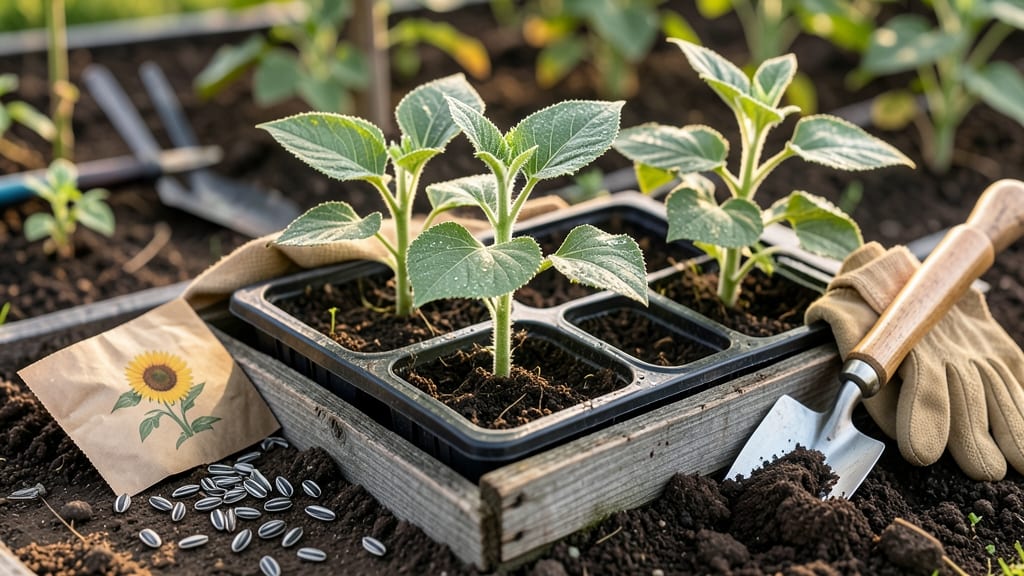
Planting sunflowers in East Tennessee after your last frost — typically mid-April — ensures those towering 🌻 blooms you’ve been dreaming of.
But here’s the catch: Knox County’s last frost might hit two weeks earlier than Carter County’s, and a late spring freeze can turn your seedlings into sad, stunted plants. Timing isn’t just about the calendar—it’s about your specific microclimate.
Whether you’re in the Smokies or the foothills, this guide breaks down the exact frost-free windows for your county, plus how to adjust for elevation and soil warmth. No more guessing whether your sunflowers will bolt before blooming or wilt in a surprise chill.
You’ll learn the best varieties for Tennessee’s short season, how to prep soil for faster germination, and even when to start seeds indoors if you’re eager to get growing. Let’s make this your best sunflower season yet.
East Tennessee sunflower planting dates by County (frost-free zone guide)
Sunflowers thrive in East Tennessee's USDA Zone 6a-7a, but the exact planting window depends on your county's average last frost date and soil temperature. In Knox County, for example, the last frost typically arrives around April 15, while Carter County often sees frost-free conditions a week later.
These differences mean your sunflower seeds could face frost damage if planted too early.
For optimal germination, soil temperatures should reach at least 60°F (15°C). In East Tennessee, this usually happens by mid-April in lower elevations but may wait until late April in mountainous areas.
Waiting for these conditions ensures your sunflower seedlings don't rot in cold, wet soil—a common issue for impatient gardeners.
Here's a county-by-county breakdown of when to plant sunflowers in East Tennessee, including soil temperature targets and frost-free windows:
In Knox County, where the average last frost is April 15, you can start planting sunflower seeds as early as mid-April if your soil has warmed to 60°F (15°C).
However, I recommend waiting until late April to avoid potential frost damage to young seedlings. The soil thermometer becomes your best friend here—don't rely solely on calendar dates.
For Sevier County gardeners, the later frost date of April 20 gives you a slightly extended window. Plant your sunflower seeds between late April and May 10 for the best results.
If you're in higher elevations, like the Great Smoky Mountains foothills, wait until soil temperatures consistently reach 65°F (18°C) for faster germination.
One common mistake I see is planting sunflowers too early in Carter County, where the last frost often lingers until April 25. Rushing the process can lead to frost-killed seedlings.
Instead, use row covers or plant in protected microclimates near south-facing walls to extend your growing season naturally.
If you're growing dwarf sunflower varieties like 'Teddy Bear' or 'Moulin Rouge', you can push the planting window slightly earlier—these varieties tolerate cooler soil temperatures better than their towering cousins. For standard varieties like 'Mammoth' or 'Russian Giant', however, wait until after the last frost to avoid stunted
How to adjust sunflower planting for East Tennessee’s microclimates
East Tennessee’s diverse landscapes—from the Great Smoky Mountains to urban Knoxville gardens—create unique growing conditions that demand flexibility in your sunflower planting schedule.
At higher elevations like Cades Cove (3,000+ ft), frost lingers until May 10, while lowland areas like Chattanooga’s suburbs may see last frosts by April 1.
These microclimates can shift your ideal planting window by 3-4 weeks, so knowing how to adapt is key to avoiding frost damage or stunted growth.
Urban heat islands in cities like Johnson City also create warmer pockets where early-spring planting (March 15) works, while rural areas might need to wait until mid-April.
Even within the same county, a south-facing slope warms up faster than a north-facing valley, meaning you could plant 10 days earlier in the right spot. Understanding these nuances helps you maximize your sunflowers’ 120-day growing potential before the first frost.
Here’s how to fine-tune your planting schedule based on East Tennessee’s most common microclimates:
- 1
- 2
- 3
- 4
- 5
If you’re planting in containers or raised beds, warm up the soil faster by placing them on dark-colored surfaces (like black plastic or gravel). This can shave off 5-7 days from your planting timeline, letting you start earlier in March without risking frost damage.
Just ensure containers have drainage holes to prevent waterlogged roots, which sunflowers hate.
For gardeners in Sevier or Sullivan counties, where humidity runs high, space your sunflowers 18-24 inches apart to improve airflow and reduce powdery mildew risk. In drier urban areas like Clinton or Morristown, mulch heavily with straw to retain moisture during East Tennessee’s summer droughts.
Both adjustments help your sunflowers reach their full 10-14 ft potential without stress.
Remember, sunflowers are fast growers—some varieties like ‘Moulin Rouge’ mature in just 50 days. By aligning your planting with your local microclimate, you’ll avoid the heartbreak of frost-nipped blooms and instead enjoy towering stems that brighten your garden from July through October. 🌻