
Flowers
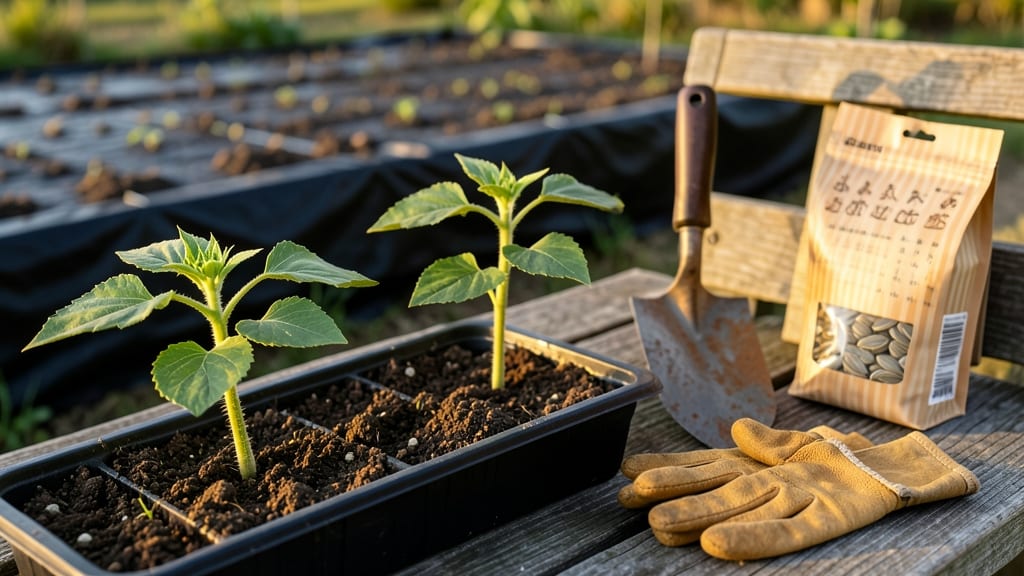
To plant sunflowers in Colorado, aim for mid-April to mid-June after the last frost — a window that balances soil warmth and summer’s long days for those towering 🌻 blooms.
Sunflowers bring vibrant color and easy beauty to Colorado gardens—but planting them at the wrong time can mean wilted dreams before they even bloom. With frost dates shifting by elevation and microclimates creating local surprises, timing is everything.
In USDA Zones 5-7, most Colorado gardeners can start seeds indoors by late March, then transplant outdoors once nighttime temperatures stay above 50°F. High-altitude areas may need to wait until early June, while lower elevations like Denver can begin as early as mid-April.
Below, I break down the exact frost-free timing by region, the best sunflower varieties for Colorado’s climate, and how to stretch your growing season for extra weeks of blooms before fall’s first frost.
Colorado planting zones & sunflower frost-free timing by region
Colorado’s diverse USDA planting zones (4-7) create unique challenges for sunflower growers. From Denver’s Zone 5b to high-altitude areas in Zone 4a, frost dates vary dramatically—sometimes by weeks—even within the same city.
Understanding these zones helps you time your sunflower seeds perfectly for 65-70°F soil temperatures, ensuring vibrant blooms before the first frost.
Sunflowers thrive in Colorado’s short growing season, but planting too early risks frost damage, while late planting may delay blooms until late summer. I’ll break down exact frost-free dates for Denver, Colorado Springs, Fort Collins, and high-altitude regions, so you can choose the best planting window for your microclimate.
Pro tip: Use a soil thermometer to confirm warm soil temps before sowing—this is non-negotiable for sunflower success.
| Region | USDA Zone | Avg. Last Frost | Avg. First Frost | Best Planting Window | Soil Temp Goal |
|---|---|---|---|---|---|
| Denver (Front Range) | Zone 5b | April 20–May 5 | October 10–20 | May 10–June 15 | 65–70°F |
| Colorado Springs | Zone 5a | April 15–April 30 | October 5–October 15 | April 25–June 10 | 65–70°F |
| Fort Collins | Zone 5b | April 25–May 10 | October 15–25 | May 15–June 20 | 65–70°F |
| High Altitude (10,000+ ft) | Zone 4a | May 15–June 1 | September 15–October 5 | June 1–July 10 | 60–65°F (cooler soil) |
Denver’s Zone 5b offers a longer growing season, but don’t be fooled—late spring frosts can still sneak in. I recommend waiting until May 10 for Denver gardeners to plant sunflowers, giving soil time to warm up.
Colorado Springs, with its earlier last frost, lets you start as early as April 25, but always check your local Almanac frost dates for the most accuracy.
For high-altitude areas like Telluride or Leadville (Zone 4a), the growing season shrinks dramatically. Here, I plant sunflowers no earlier than June 1 to avoid frost damage. These regions benefit from dwarf varieties like ‘Teddy Bear,’ which mature faster and tolerate cooler soil temperatures better than giant varieties.
If you’re in a microclimate (e.g., a sheltered valley or urban heat island), you might extend your planting window by 1–2 weeks. For example, Denver’s downtown area often warms up faster than suburban neighborhoods.
Use a frost clock app or local gardening groups to fine-tune your timing—every day counts in Colorado’s 120–180 frost-free days.
One common mistake I see is planting sunflowers too deep. Aim for 1 inch deep and 6–12 inches apart—deeper planting can delay germination in Colorado’s cool, rocky soil.
After sowing, mulch with straw to retain moisture and warmth, which is critical for sunflowers in our dry climate. This simple step can mean the difference between wilted seedlings and thriving plants.
For late-season blooms, consider starting seeds indoors in March and transplanting after the last frost. This works well for ‘Autumn Beauty’ varieties, which produce stunning bicolor blooms even in Colorado’s short summer.
Just be sure to harden off seedlings gradually to avoid transplant shock—Colorado’s wind and temperature swings can stress young plants.
Remember, sunflowers are drought-tolerant once established, but they need consistent moisture during germination. Water deeply 2–3 times per week until seedlings emerge, then taper off to weekly deep waterings. Overwatering is just as harmful as underwatering—sunflowers hate soggy roots.
Use a drip irrigation system or soaker hose to deliver water directly to the soil, minimizing evaporation in our dry air.
By aligning your planting with local frost dates and soil temperatures, you’ll enjoy sunflowers blooming from July through October. Whether you’re growing giant ‘Russian Giants’ or compact ‘Moulin Rouge,’ timing is the secret to Colorado sunflower success.
Happy planting—your garden will thank you with a sea of golden faces! 🌻
Step-by-step sunflower planting timeline for Colorado gardens
Colorado’s short growing season demands precise timing for sunflower success. Plant too early, and frost will nip tender sprouts. Too late, and your sunflowers may struggle to mature before first frost. The key is soil temperatures of 65-70°F and frost-free conditions—typically mid-April to mid-June in most regions.
Start by selecting a sunny, well-drained spot with at least 6-8 hours of sunlight daily. Colorado’s high-altitude areas (like Denver or Colorado Springs) may need a 2-4 week delay compared to lower elevations. Always check your local last frost date—aim to plant 2-3 weeks after the average last frost.
Start indoor seeds in trays with heat mats if your zone is USDA 4-5. Use seed-starting mix and keep under grow lights for 14-16 hours/day.
Direct-sow seeds 1 inch deep in well-prepped soil (add compost for nutrients). Space seeds 6-12 inches apart—thin to 12-24 inches when seedlings are 4-6 inches tall.
Transplant started seedlings (if using) or sow additional seeds for successive blooms. Mix in bone meal (1 tbsp per hole) for phosphorus to encourage root growth.
Plant dwarf varieties (like ‘Teddy Bear’) or late-season types (e.g., ‘Autumn Beauty’) for extended blooms. Pair with companion plants like bush beans or marigolds to deter pests.
Sow heat-tolerant varieties (e.g., ‘Russian Giant’) for late-summer blooms. Use mulch (straw or grass clippings) to retain moisture and suppress weeds in Colorado’s dry heat.
Focus on watering deeply (1-2 inches per week) and staking tall varieties if needed. Remove spent blooms to encourage reblooming in shorter varieties.
Colorado’s dry winds and temperature swings can stress sunflowers, so monitor soil moisture closely. After planting, water deeply 2-3 times per week until seedlings emerge, then taper to weekly deep waterings. Avoid overhead watering to prevent fungal diseases like powdery mildew.
For extended harvests, stagger plantings every 2-3 weeks from mid-April through June. This ensures blooms from July through October, even in Colorado’s shorter growing season. Pair sunflowers with nitrogen-fixing plants like clover to naturally enrich the soil for next year’s garden.
Pro tip: Mark your planting dates on a garden calendar to track maturity. Most sunflowers take 80-100 days to bloom—count backward from your first frost date to avoid late-season disappointments. With the right timing, your Colorado garden will burst with golden sunshine all season long! 🌻