
Flowers
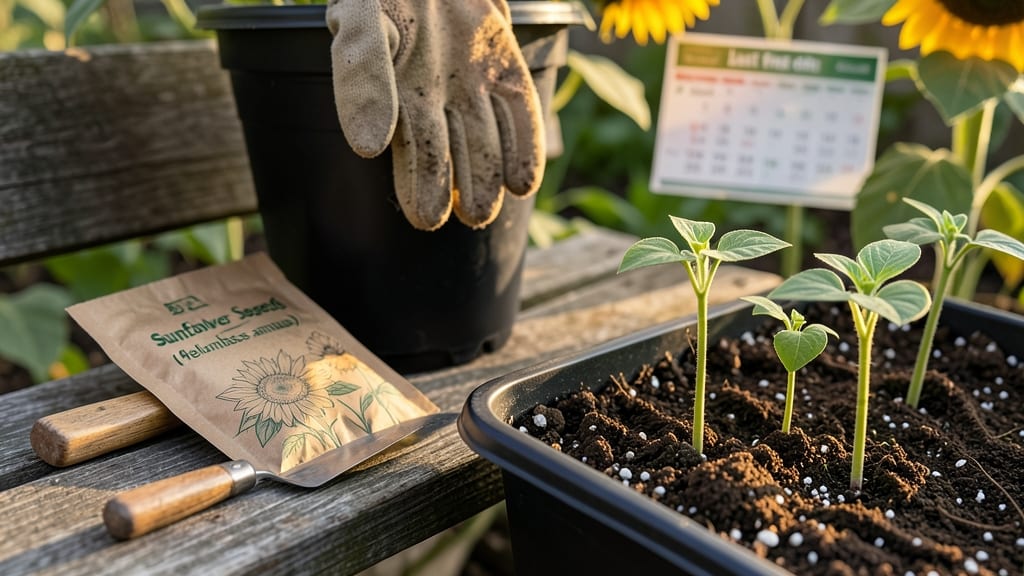
To plant sunflowers in Georgia at the perfect time means aiming for late spring to early summer 🌻 — when soil warms and frost risks fade, setting the stage for towering blooms by fall.
Miss that window, and you risk wilting before they bloom. Plant too early, and frost will strike; too late, and your flowers may struggle in the heat. Georgia’s warm climate and long growing season make it an ideal place for sunflowers—but timing is everything.
In USDA Zones 7a-8b, the ideal planting window stretches from mid-March to early July, with a bonus fall window in September for late-season blooms. Whether you’re in the Piedmont or Coastal Plain, these dates align with soil temperatures and regional microclimates to ensure strong germination and growth.
Below, I’ll break down the exact dates by zone, share heat-resistant varieties, and offer pro tips to keep your sunflowers thriving—no matter where in Georgia you’re gardening.
Best planting dates for sunflowers in Georgia by USDA Zone
Georgia’s USDA Zones 7-8 offer perfect conditions for sunflowers, but precise timing ensures your plants thrive. The last average frost date in most of Georgia falls around March 15, while the first frost arrives around November 15.
This gives you a 200-240-day growing season, perfect for sunflowers that need 60-100 days to maturity. Planting too early risks frost damage, while late planting may lead to heat stress.
For spring planting, aim for mid-March to early July—once soil temperatures reach 55°F. In Zone 7a (cooler areas like the Blue Ridge Mountains), wait until mid-April to avoid late frosts.
Meanwhile, Zone 8b (Coastal Plain) can start as early as late February in sheltered microclimates. Fall planting is also possible—sow seeds in late August to early September for late-summer blooms.
Here’s a quick reference for optimal planting windows based on Georgia’s microclimates:
In Zone 7a, where frosts linger longer, focus on late April to June plantings. Use black plastic mulch to warm soil faster if needed. For Zone 8b, take advantage of the extended season—plant in February for early blooms or September for fall displays.
Coastal areas like Savannah benefit from earlier starts due to milder winters.
Always check your local frost dates using the Georgia Climate Project or Almanac’s Frost Calculator. Adjust planting by 2-3 weeks if your area experiences unusually cold snaps. For example, if your last frost is April 1, delay planting until mid-April to ensure safety.
Sunflowers thrive in full sun (6+ hours daily), so choose a south-facing location. In Georgia’s heat, afternoon shade can prevent wilting, especially for tall varieties. Space seeds 6 inches apart and thin to 12-24 inches as they grow.
For fall plantings, aim for varieties with shorter maturity times (60 days) to avoid winter frosts.
Pro tip: Direct-sow seeds instead of transplanting, as sunflowers dislike root disturbance. Plant 1 inch deep and keep soil consistently moist until germination (7-14 days). Once established, sunflowers are drought-tolerant, but deep watering weekly ensures robust growth during Georgia’s hot summers.
For extended blooms, succession plant every 2-3 weeks from spring to early summer. This ensures continuous color and pollinator activity throughout the season. In Zone 8b, you can even plant a final batch in late August for October harvests before the first frost.
Remember, soil temperature matters more than air temperature. Use a soil thermometer to confirm 55°F+ before planting. In cooler microclimates, warm the soil with black plastic or compost to speed up germination.
With the right timing, your sunflowers will reach mature heights of 3-16 feet and bring vibrant color to Georgia’s landscapes.
How to adjust sunflower planting for Georgia’s heat and humidity
Georgia’s intense summer heat and humidity can challenge sunflower growth, but with the right adjustments, you can extend your growing season and enjoy vibrant blooms. The key is balancing timing, shade, and watering to protect young plants from stress.
Start by choosing heat-tolerant varieties and planting at the right time—typically after the last frost but before peak summer temperatures hit.
Once planted, focus on watering deeply in the morning to prevent fungal diseases and mulching to retain moisture. If you’re planting in late summer for fall blooms, opt for shorter varieties that mature faster. These strategies help your sunflowers thrive even when temperatures soar above 90°F.
Top Adjustments for Georgia’s Climate
- 1. Plant in early spring (March–April) or late summer (August–September) to avoid peak heat.
- Use shade cloth (30–50%) for young plants during 100°F+ days to reduce stress.
- Water deeply 2–3x/week in summer, focusing on the root zone to prevent wilting.
- Choose dwarf varieties (e.g., 'Teddy Bear') for shorter stature and better heat tolerance.
- Mulch heavily with straw or wood chips to lock in moisture and regulate soil temperature.
If you’re planting in late summer for fall blooms, select varieties with 50–60-day maturity, like 'Moulin Rouge' or 'Autumn Beauty.' These bloom quickly and handle Georgia’s humidity better than taller types.
Always plant seeds 1 inch deep and space them 12–24 inches apart to allow airflow and reduce disease risk.
Monitor your sunflowers closely for signs of heat stress, such as drooping leaves or yellowing. If this happens, provide temporary shade with a lightweight row cover or move potted plants to a cooler spot. Prune lower leaves to improve airflow and reduce humidity-related issues like powdery mildew.
For container gardening, use large pots (10+ gallons) with fast-draining soil to prevent root rot. Place pots in partial shade during the hottest afternoons and move them to full sun in the morning. This balance helps maintain soil moisture while protecting delicate roots from extreme heat.
Finally, consider fall planting (September–October) for a second bloom cycle. Georgia’s mild autumn temperatures create ideal conditions for sunflowers to mature without wilting. Just be sure to harvest seeds before the first frost, which typically arrives in mid-November.