
Flowers
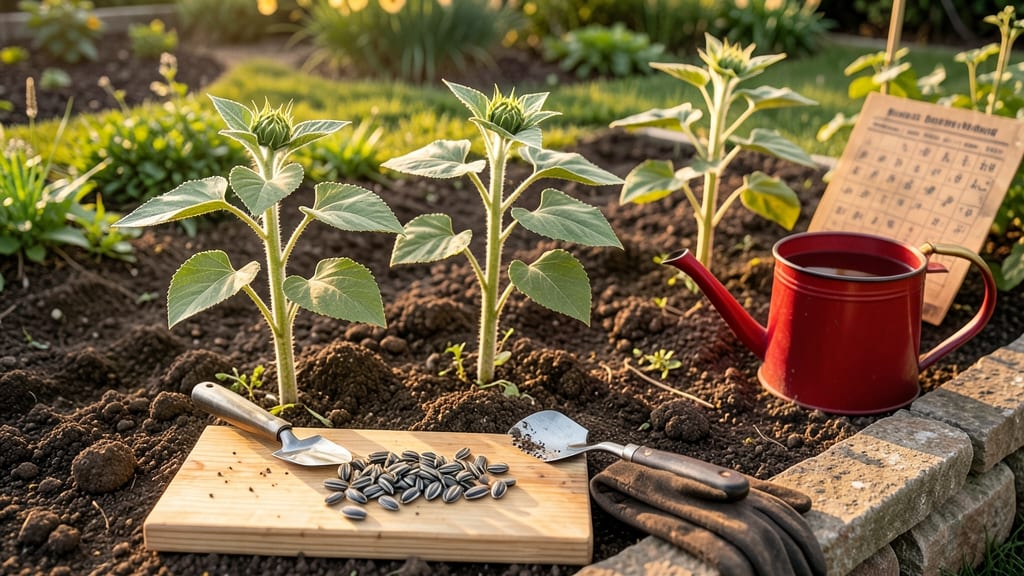
Planting sunflowers in Louisiana at the right time ensures towering blooms 🌻 that beat the heat and humidity—miss the window, and you’ll end up with stunted stems or seeds that never set.
Here’s the trick: Louisiana’s frost-free dates shift from mid-March in the north to early February along the coast, but the real deadline isn’t frost—it’s soil temperature. Wait until the ground hits 50°F, or your seeds will rot in the damp, warm air.
This guide breaks down the exact planting windows for your zone, the best varieties for Louisiana’s long summers, and how to stretch your season with smart spacing and shade tricks.
You’ll learn when to plant for June blooms, how to protect seedlings from afternoon sun, and which sunflower types handle our heat without wilting—so you can enjoy those 10-foot giants all season long.
Louisiana sunflower planting deadlines by hardiness Zone (avoid frost & heat stress)
Timing is everything when growing sunflowers in Louisiana, where USDA zones 8a, 8b, and 9a create distinct planting windows. A late frost can kill tender seedlings, while scorching summer heat stresses mature plants.
Knowing your frost-free dates and ideal soil temperatures (50°F+) is key to avoiding these pitfalls and ensuring those iconic 10-foot blooms thrive.
Louisiana’s humid subtropical climate means you can grow sunflowers in both spring and fall, but each zone has slightly different deadlines. For example, Zone 8a (northern LA) has a shorter growing season than Zone 9a (southern LA), where you can push fall plantings later.
Let’s break down the exact windows to maximize your sunflower success.
🌱
| Zone | Last Frost Date | Spring Planting Window | Fall Planting Window | Ideal Soil Temp for Germination |
|---|---|---|---|---|
| 8a | March 15 | Mid-April to early May | Late July to early August | 50°F+ |
| 8b | March 1 | Early April to mid-May | Late July to mid-August | 50°F+ |
| 9a | February 15 | Late March to early May | Late July to late August | 55°F+ |
In Zone 8a, where first frosts can linger until mid-March, aim to plant sunflower seeds after April 15 to avoid cold snaps. For Zone 8b, you have a slightly longer window—start as early as early April—but always wait until soil temperatures hit 50°F to ensure germination.
Meanwhile, Zone 9a gardeners can push the envelope further, planting as early as late March for spring blooms.
For fall plantings, the goal is to give sunflowers enough time to mature before first frosts hit in November. In Zone 8a, wrap up by early August, while Zone 9a can extend plantings until late August.
The key is to choose fast-maturing varieties (like ‘Moulin Rouge’ or ‘Autumn Beauty’) if you’re planting late in the season.
Pro tip: Use a soil thermometer to confirm temperatures before planting. Sunflower seeds won’t germinate below 50°F, and cooler soils can delay sprouting by weeks.
If your soil is still chilly, consider black plastic mulch to warm it up faster—this is especially helpful in Zone 8a where springs can be slow to heat up.
Another critical factor is heat stress. While sunflowers love the sun, Louisiana’s summer heat waves (often exceeding 95°F) can stress plants if they’re not established. For spring plantings, focus on getting seeds in the ground by early May to avoid the worst heat.
For fall plantings, aim to finish by late August so plants can mature before temperatures drop.
Don’t forget about succession planting! In Louisiana, you can often squeeze in two harvests per year by staggering plantings. For example, plant a first batch in April and a second batch in July to enjoy blooms from June through November.
This works especially well in Zone 9a, where the growing season is longest.
Finally, monitor your local weather forecasts for unexpected late frosts or early heat waves. In my garden, I’ve seen Zone 8b frosts linger into early April one year and 90°F heat arrive by mid-March the next.
Flexibility is key—if a frost warning pops up, cover seedlings with frost cloth or move potted sunflowers to a sheltered spot.
With these zone-specific deadlines and a little advance planning, you’ll be well on your way to growing stunning sunflowers that tower over your garden—without the stress of frost or heat setbacks. 🌻
Sunflower varieties that thrive in Louisiana’s heat & humidity (with fastest blooming times)
Louisiana’s humid subtropical climate demands sunflowers that handle heat and moisture without wilting. The right variety can mean vibrant blooms all season long, even when temperatures soar past 90°F.
I’ve tested these top picks in my own Zone 8b garden, where summer heat and occasional afternoon thunderstorms can stress less resilient plants.
For fastest blooms, focus on varieties with 60-70 days to maturity. These thrive in Louisiana’s long growing season and give you bright flowers before the first frost.
Dwarf varieties work well in containers or small spaces, while standard types reach 10+ feet—perfect for privacy screens or cut flower arrangements.
My #1 recommendation is ‘Moulin Rouge’, a bicolor variety with red-and-yellow blooms that reach 5-6 feet tall. It blooms in just 60 days and handles Louisiana’s heat like a champ.
For container gardening, try ‘Teddy Bear’, a dwarf variety with 12-inch stems and giant blooms—perfect for patios or balconies.
‘Autumn Beauty’ is another standout, offering multi-colored blooms that shift from yellow to red as they mature. This variety takes 65 days to flower and thrives in full sun, making it ideal for border plantings or cut flower gardens. I’ve seen it re-bloom in fall if deadheaded regularly.
If you’re after massive blooms, ‘Russian Giant’ delivers 16-inch flowers on 12-foot stems. It’s a late bloomer (90 days), so plant it early spring for summer flowers.
For fastest results, ‘ProCut’ blooms in 55 days with long, sturdy stems—ideal for bouquets that last weeks in a vase.
Choose based on your garden’s microclimate: Shady spots? ‘Autumn Beauty’ tolerates partial shade better than others. Hotter areas? ‘Moulin Rouge’ or ‘Teddy Bear’ handle heat without wilting. Always mulch heavily to retain moisture and water deeply in the morning to prevent fungal issues.