
Flowers
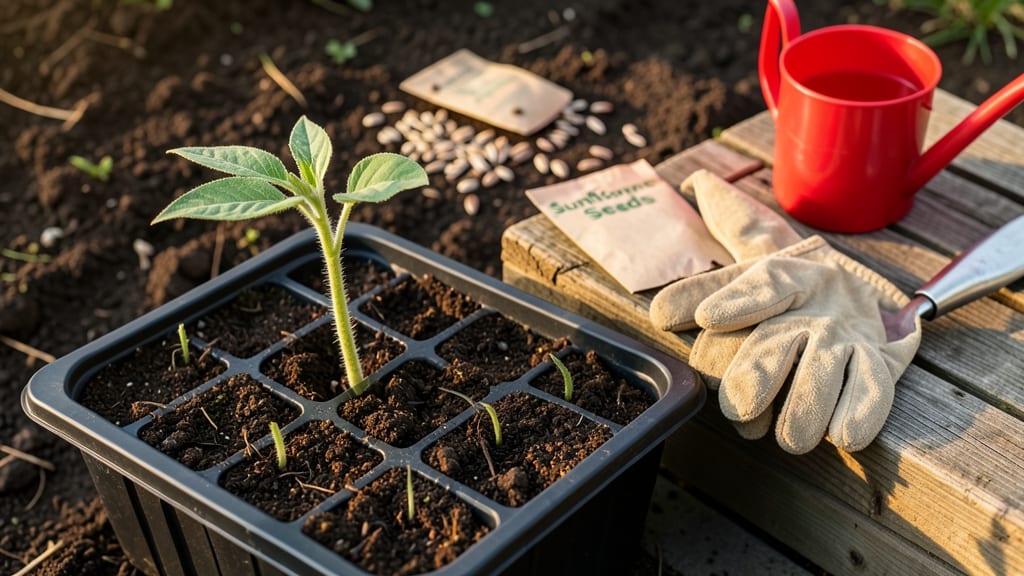
Planting sunflowers in Mississippi means timing your seeds between mid-March and early July to beat the heat and frost, ensuring those towering 🌻 blooms reach their full potential.
You’ve got 215 frost-free days to work with—but planting too early risks a late spring chill, while waiting too long means your sunflowers bolt in the blazing summer sun. The key is knowing your region’s exact last frost date and choosing the right variety for Mississippi’s humidity and heat.
Mississippi’s climate is perfect for sunflowers, but the 8a zone demands precision. Too early, and a surprise frost will stunt growth; too late, and the heat will shrink your blooms. The sweet spot? Early spring for dwarf varieties and late spring for giants, with soil prepped and ready to go.
Below, I break down the exact planting windows by region, the best heat-tolerant varieties for your garden, and how to avoid the three biggest mistakes Mississippi gardeners make—so you can grow sunflowers that rival the skyline.
Mississippi sunflower planting dates by region: exact frost-free deadlines & heat zones
Mississippi’s diverse climate—from the cool hills of the north to the humid Delta lowlands—means sunflower planting dates vary dramatically. In USDA Zones 7b-8a, timing your seeds right ensures towering blooms instead of frost-nipped failures.
The key? Knowing your last frost date and heat zone compatibility for your chosen variety.
Northern Mississippi (e.g., Tupelo, Oxford) has later springs, while southern regions (e.g., Jackson, Biloxi) can plant weeks earlier. Early varieties like 'Teddy Bear' thrive in cooler spring windows, while 'Russian Giant' demands Mississippi’s peak summer heat. Let’s break down the exact windows for each region.
| Region | Last Frost Date | Best Planting Window | Heat Zone Fit | Notes |
|---|---|---|---|---|
| North MS (Zones 7b) | March 15 - April 1 | April 15 - May 15 | Zones 7-8 | Wait for soil to warm above 60°F; use row covers for early starts. |
| Central MS (Zones 7b-8a) | March 1 - March 15 | March 20 - June 1 | Zones 8-9 | Ideal for late summer varieties like 'Autumn Beauty'. |
| South MS (Zones 8a) | February 15 - March 1 | February 28 - July 1 | Zones 9-10 | Extended season allows two plantings: spring and late summer. |
For northern Mississippi gardeners, the April 15 deadline is non-negotiable—planting before this risks late frosts that can kill young seedlings. I’ve seen 'Teddy Bear' sunflowers survive when planted in mid-April, but their growth stalls until soil temperatures consistently stay above 65°F.
Central Mississippi offers the most flexibility, with a 90-day growing window for full-size varieties. This region can even squeeze in a second planting in late June for late-summer blooms. Just choose heat-tolerant varieties like 'Moulin Rouge' to handle the 90°F+ afternoons.
Southern Mississippi’s early start means you can grow giant sunflowers like 'Russian Giant', which need 100+ frost-free days to reach maturity. Plant by February 28 for harvests by October, or try a late-July sowing for winter interest.
Mississippi’s humidity demands well-draining soil—amend heavy clay with compost or sand to prevent root rot. After planting, maintain 1-2 inches of mulch to retain moisture and suppress weeds, especially in the Delta region where rainfall can be unpredictable.
Pro tip: Use black plastic mulch in early plantings to warm the soil faster. I’ve seen 10-day growth spurts in May-planted sunflowers when using this trick. Just remove the mulch once plants are 6 inches tall to avoid overheating.
Remember, late summer varieties (like 'Autumn Beauty') planted after June 15 may not reach full height but still produce stunning blooms. These are perfect for cut flowers or bird feeders before winter.
Mississippi’s sunflower season stretches from April to October, but the sweet spot for maximum height and seed production is April 15 to June 1. Mark your calendar, test your soil, and get ready for 12-foot giants that’ll turn heads all summer long! 🌻
Best heat-tolerant sunflower varieties for Mississippi’s climate & how to choose them
Mississippi’s humid heat and long summers demand sunflower varieties that thrive under pressure. The right choice means vibrant blooms, drought resistance, and seed viability—even when temperatures soar past 90°F. I’ve grown these varieties in USDA Zone 8a and can confidently recommend the top performers for your garden.
Start with 'Autumn Beauty', a classic heirloom that blooms from mid-summer to frost. Its multi-colored petals (red, yellow, green) make it a showstopper, while its 6-foot height fits well in Mississippi’s heat. This variety also handles moderate drought once established, perfect for our occasional dry spells.
'Moulin Rouge' is another winner, producing deep red blooms that last 2-3 weeks per stem. Its 5-foot stature makes it ideal for smaller gardens or container growing, and it’s highly drought-tolerant. I’ve seen this variety rebloom in late summer when given consistent morning watering.
🌻 Heat & Drought Tolerance Ratings
For giant sunflowers, 'Russian Giant' is unbeatable—reaching 12-14 feet with edible seeds perfect for Mississippi’s bird feeders or human consumption. Its deep taproot makes it exceptionally drought-resistant, thriving even when summer rains taper off. I’ve grown these in clay soil with minimal extra watering.
If you prefer compact varieties, 'Teddy Bear' sunflowters (1-3 feet tall) are perfect for containers or front-yard gardens. Their double blooms resemble pom-poms and last 3-4 weeks. While they’re less drought-tolerant than giants, they rebloom prolifically in Mississippi’s heat with regular deadheading.
When choosing, prioritize seed viability—look for certified organic or heirloom seeds from Mississippi-friendly suppliers like Southern Exposure Seed Exchange. For longest blooms, plant 'Autumn Beauty' in April and 'Russian Giant' in May to stagger your summer color.
Pro tip: Mix tall varieties (like 'Russian Giant') with medium-height (like 'Moulin Rouge') to create visual depth and shade for heat-sensitive roots. In Mississippi’s humidity, always plant in well-draining soil and space seeds 12-18 inches apart to prevent powdery mildew.