
Planting
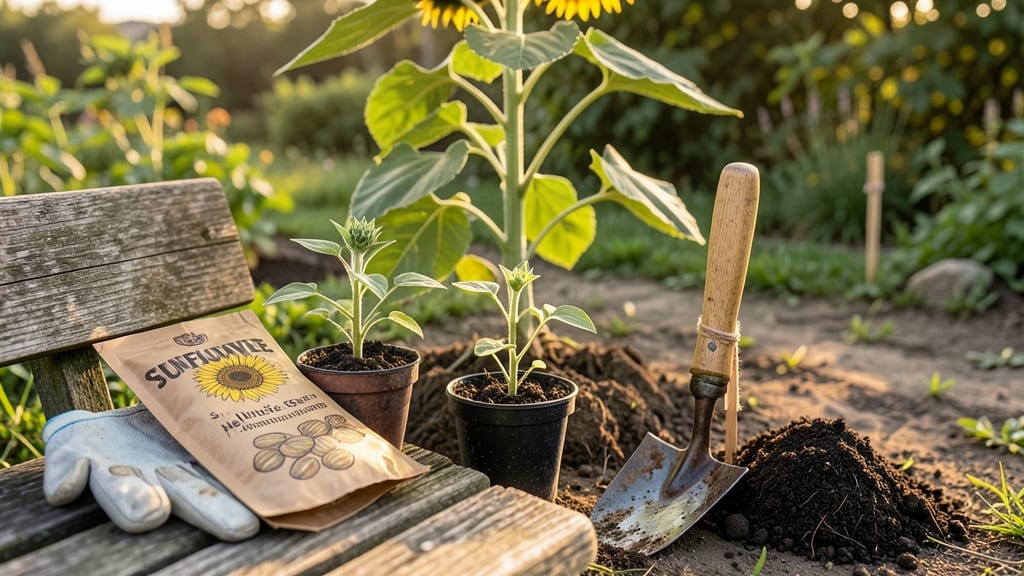
To plant sunflowers in NC, aim for mid-April to early June after the last frost—though coastal areas can start as early as March 🌻.
Sunflowers bring vibrant color and joy to North Carolina gardens—but planting them at the wrong time can mean wilted dreams before they even bloom. Timing is everything, especially when frost-free dates vary dramatically across the state’s 100 counties.
From the mountains of Asheville (USDA Zone 6a) to the coastal plains of Wilmington (Zone 8a), your planting window shifts by weeks. Get it wrong, and you’ll either face early frost damage or miss the sweet spot for towering, sun-drenched blooms.
Here’s how to pinpoint the best time for your county, plus pro tips for soil prep, transplanting, and picking the right varieties—so your sunflowers thrive from seed to harvest.
North Carolina sunflower planting zones by county: frost-free date map
North Carolina’s diverse climate—from the cool mountain valleys of the Appalachians to the humid coastal plains—creates wildly different planting windows for sunflowers. While Asheville gardeners might wait until mid-May for safe planting, coastal Wilmington growers can start as early as late March.
Understanding your USDA hardiness zone and local frost-free dates is key to avoiding frost damage and maximizing those cheerful sunflower blooms you’ve been dreaming of.
Sunflowers thrive in USDA zones 6a–8b, but within NC, this translates to three distinct planting regions: Mountains (zones 6a–7a), Piedmont (zones 7a–7b), and Coastal Plain (zones 8a–8b). Each region has its own frost-free date range, which directly impacts when you should sow seeds or transplant seedlings.
For example, Mountain counties like Haywood or Buncombe often see their last frost around April 15, while coastal counties like Dare or Carteret can plant as early as March 15.
Why timing matters: Sunflowers need 60–120 warm days to mature, and planting too early risks frost damage to young plants. Conversely, planting too late may result in smaller blooms or no flowers at all. Below, we’ve broken down frost-free dates by region, along with the ideal planting windows for both spring and fall crops—because yes, you can grow sunflowers in NC’s mild winters too!
| Region | USDA Zone | Avg. Last Frost | Spring Planting Window | Fall Planting Window | Notes |
|---|---|---|---|---|---|
| Mountains (e.g., Asheville, Boone) | 6a–7a | April 15 | Mid-May to early June | Late July to early August | Shorter growing season; choose early-maturing varieties. |
| Piedmont (e.g., Raleigh, Greensboro) | 7a–7b | March 30 | Early April to mid-May | Late July to mid-August | Moderate climate; ideal for most sunflower varieties. |
| Coastal Plain (e.g., Wilmington, Fayetteville) | 8a–8b | March 15 | Late March to early April | Mid-August to early September | Longer growing season; can grow tall varieties like 'Russian Giant'. |
| Sandhills (e.g., Pinehurst, Sanford) | 7b–8a | March 20 | Late March to early May | Late July to early August | Well-drained soil; monitor for drought stress. |
If you’re in a transition zone—like the Triangle region between Raleigh and Durham—you’ll find frost-free dates that blend Piedmont and Coastal Plain characteristics. For example, Wake County typically sees its last frost around March 25, giving you a two-week window earlier than mountain counties.
To pinpoint your exact frost-free date, check the NC State Climate Office or use a local weather station for the past 5 years’ data.
Pro tip: Soil temperature matters just as much as air temperature. Sunflower seeds need soil that’s at least 50°F (10°C) to germinate. In cooler mountain regions, wait until mid-May even if the frost is gone—cold soil will delay sprouting.
Use a soil thermometer to check before planting, especially in shaded or high-altitude gardens.
For fall planting, aim to sow seeds
How to adjust sunflower planting time for NC’s microclimates
North Carolina’s diverse landscapes—from the cool mountain air of Asheville to the humid coastal breezes of Wilmington—create unique challenges for sunflower gardeners. What works in the Blue Ridge Mountains may fail in the Coastal Plain, and vice versa.
The key to success lies in understanding your local microclimate and adjusting planting strategies accordingly. Whether you’re dealing with late springs in the high country or early heat waves near the ocean, these adjustments will help your sunflowers thrive.
For mountain gardeners in USDA Zone 6b, like those in Asheville or Boone, frost can linger until mid-April. Meanwhile, coastal gardeners in Zone 8a, such as those in Wilmington or Morehead City, may see frost-free conditions as early as mid-March.
These differences mean your planting timeline should shift dramatically depending on where you live. Let’s break down the essential adjustments to ensure your sunflowers get the best possible start.
- 1. Soil Temperature Checks: Wait until soil reaches 55–60°F (13–16°C) at 2 inches deep. Use a soil thermometer—cold soil delays germination. Mountain areas may need to wait until late April, while coastal regions can start as early as March.
- 2. Seed Depth Adjustments: Plant seeds 1 inch deep in well-drained soil. In cooler microclimates (e.g., Asheville), slightly deeper planting (1.5 inches) can help retain moisture. Coastal areas with faster warming can stick to 1 inch for quicker sprouting.
- 3. Transplanting Strategies: If frost threatens after sowing, use biodegradable pots for easy transplanting. Coastal gardeners can start seeds indoors in late February and transplant after March 15. Mountain gardeners should wait until mid-May to avoid frost damage.
- 4. Delayed Planting Window: For a fall harvest, sow seeds in late July (coastal) or early August (mountains). This extends your blooming season and avoids competition with summer crops. Use drought-tolerant varieties like 'Autumn Beauty' for later plantings.
- 5. Microclimate Spot Checks: Observe your garden’s behavior. If nearby trees or buildings create shade pockets, adjust spacing or choose dwarf varieties like 'Teddy Bear'. Coastal gardens may need wind protection for tall varieties.
One of the biggest mistakes gardeners make is assuming a one-size-fits-all approach to planting. For example, in Wilmington’s humid climate, sunflowers planted too early may succumb to powdery mildew from high humidity.
Meanwhile, in Asheville’s cooler temps, early plantings risk frost damage even after the official frost date. Always monitor your local weather forecasts and adjust planting dates by 1–2 weeks if needed.
Another pro tip: use row covers or cold frames in mountain regions to extend the growing season. These tools can help you plant 2–3 weeks earlier without risking frost damage.
For coastal gardeners, focus on shade cloth during peak summer heat to protect young seedlings from intense sun and salt spray if you’re near the beach.
Remember, sunflowers are resilient, but they reward precise timing. By tailoring your approach to your local microclimate, you’ll enjoy taller stems, larger blooms, and a longer harvest window.
Whether you’re in the Smoky Mountains or the Outer Banks, these adjustments will set your sunflowers up for success—no matter where you garden in North Carolina.