
Flowers
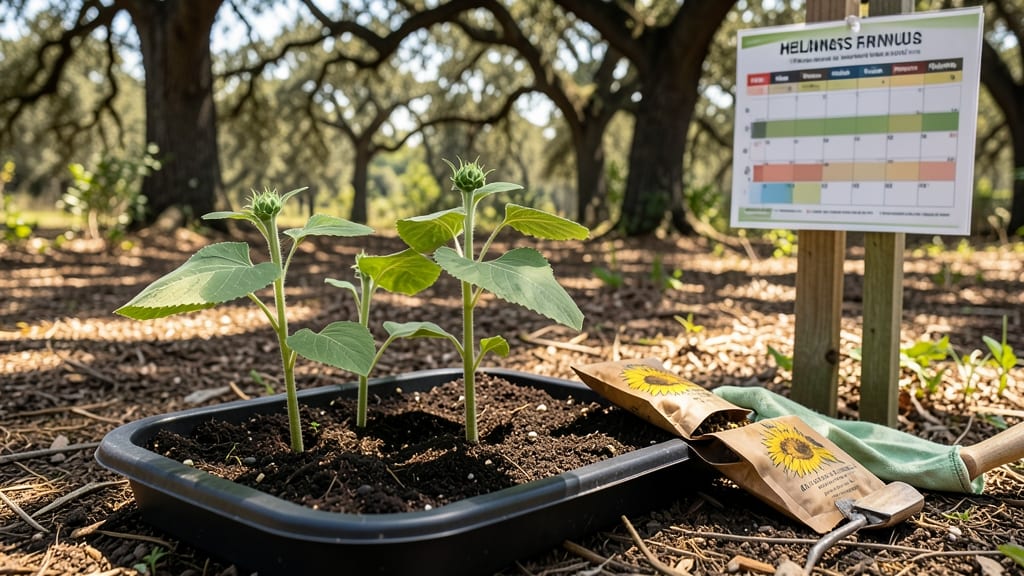
Planting sunflowers in North Florida between mid-March and early April ensures towering blooms by late summer, when the heat is just right for their rapid growth.
You’ve probably wondered why some gardens get 12-foot sunflowers while others struggle with stunted stems—it’s all about timing. North Florida’s warm springs and long summers create the perfect window, but planting too early risks frost damage, and waiting too long means smaller blooms.
Below, I break down the exact months for giant, medium, and dwarf varieties, how to prep soil for fast germination, and when to watch for Florida’s unpredictable late frosts or summer heat spikes.
You’ll also discover which sunflower types thrive in North Florida’s 8a zone, how staggered planting extends your bloom season, and the one trick that keeps your sunflowers straight and sturdy even in hurricane-force winds.
North Florida sunflower planting calendar: best months by variety type
North Florida’s warm climate and extended growing season create perfect conditions for sunflowers—but timing matters more than you might think. Giant varieties need early starts, while dwarf sunflowers thrive with late-season planting.
Let’s break down the best months for each type, tailored to Jacksonville’s humidity, Gainesville’s cooler nights, and Tallahassee’s heat spikes.
Your last frost date (typically mid-February) and summer heat tolerance are critical. Giant sunflowers (10+ feet) need a long, cool growing season, while dwarf varieties (under 4 feet) can handle North Florida’s 90°F+ days better.
Let’s dive into the exact planting windows for each variety type.
🌱 Pro Tip: Always check soil temperatures—sunflower seeds need 55°F+ to germinate. Use a soil thermometer to avoid waiting too long after your target planting window.
For giant sunflowers, the February–March window is non-negotiable. These varieties need 100+ days to mature, and planting after April 1 in Jacksonville often results in stunted growth from summer heat.
In Gainesville, you can push planting to late March due to cooler nights, but Tallahassee’s heat arrives earlier, so stick to February.
Medium sunflowers offer flexibility. You can start as early as March 1 for a summer bloom or wait until April 15 for a fall display.
This variety thrives in North Florida’s humidity but needs consistent watering during heatwaves. I’ve found that mulching with straw helps retain moisture and keeps roots cool.
Dwarf sunflowers are the most heat-tolerant option, making them ideal for late spring planting. In Jacksonville, you can even start them in early April and still enjoy blooms by June. These varieties are perfect for container gardens or small spaces, and they handle Tallahassee’s hotter springs better than their taller cousins.
If you’re experimenting with fall planting, focus on dwarf varieties and plant no later than September 15. The goal is to get seeds in the ground 8–10 weeks before frost (typically mid-December).
Use shade cloth in Jacksonville’s intense summer sun to protect young seedlings from heat stress.
One mistake I’ve seen gardeners make is overestimating heat tolerance. Even dwarf sunflowers will struggle if planted after June 1 in North Florida’s 95°F+ afternoons. Always monitor soil moisture—sunflowers wilt quickly in
How to adjust sunflower planting for North Florida’s unpredictable weather
North Florida’s weather can be as unpredictable as a summer storm—one day it’s chilly enough for frost warnings, and the next, temperatures soar into the 90s. These extreme swings make sunflower planting tricky, but with the right adjustments, you can still grow towering, vibrant blooms.
The key is understanding how to work with (not against) your local climate.
Sunflowers thrive in warm soil and consistent sunlight, but North Florida’s late frosts (sometimes as late as March) and sudden heatwaves can derail your plans if you’re not prepared.
For example, planting too early in Jacksonville’s cooler microclimates might leave seedlings vulnerable, while Tallahassee’s sudden summer storms can stress mature plants. The solution? A flexible planting strategy that accounts for these risks.
⚠️ Critical Timing Alert for North Florida Sunflowers
Plant after soil reaches 60°F—use a soil thermometer to check depth (1 inch). In USDA Zone 8a, this typically means mid-March to early April, but wait until April 15 in frost-prone areas like Gainesville or Ocala to avoid frost damage.
If you’re staggering plantings (recommended!), space them 2-3 weeks apart to extend your bloom season. For example, plant one batch in late March and another in mid-April—this ensures continuous flowers even if weather disrupts one group.
Start by testing your soil temperature before planting. A simple soil thermometer (available at garden centers for under $10) will tell you if conditions are right. Sunflower seeds need consistent warmth to germinate, and North Florida’s cool, damp springs can delay sprouting if you plant too soon.
Aim for 60°F or warmer at a 1-inch depth—this usually aligns with mid-to-late March in most of North Florida.
If a late frost warning pops up after you’ve planted, don’t panic. Sunflowers are tolerant of light frost once they’ve sprouted, but seedlings are vulnerable. Cover young plants with frost blankets or row covers if temperatures dip below 32°F.
For extra protection, create a mini greenhouse using clear plastic bottles (cut in half and placed over seedlings) to trap heat. This trick works wonders in cool microclimates like the Apalachicola area.
North Florida’s summer heatwaves can also stress sunflowers, especially if they’re not established. To beat the heat, mulch heavily around the base of your plants with straw or wood chips to retain moisture and cool the roots.
Water deeply in the morning (1-2 inches per week) to encourage deep root growth, which helps plants withstand sudden droughts or storms. Avoid overhead watering in the evening, as this increases the risk of fungal diseases like powdery mildew.
For hurricane season (June-November), take proactive steps to stake tall varieties (like ‘Mammoth’ or ‘Russian Giant’) before storms hit. Use soft ties or bamboo stakes to support stems, preventing them from snapping in high winds.
If a storm is forecasted, prune lower leaves to reduce wind resistance and secure loose soil around the base to prevent erosion. Even dwarf sunflowers benefit from a little support in North Florida’s unpredictable winds.
Finally, embrace staggered planting to maximize your bloom time. Instead of planting all your seeds at once, space them out in 2-3 week intervals starting in late March.
This ensures a continuous display of flowers from summer through early fall, even if one batch gets hit by unexpected frost or heat stress. It’s a simple trick that turns North Florida’s unpredictable weather into an advantage for your garden.