
Flowers
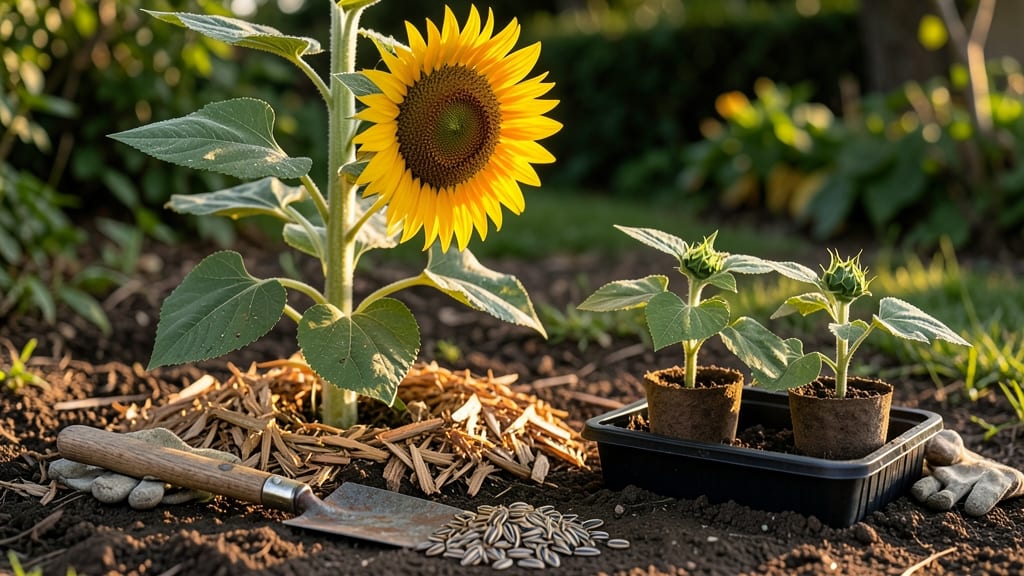
Plant sunflowers in Tennessee between mid-April and late June to avoid frost and give them the 120 days they need to reach their towering heights.
Sunflowers aren’t just stunning—they’re Tennessee’s secret weapon for pollinator support and summer beauty. But timing is everything: plant too early, and frost will strike; too late, and your towering blooms might never reach their full potential.
In USDA Zones 6a-7b, the last frost typically lands in early April, but soil temperatures must hit 55°F before seeds go in. Nashville’s Zone 7a gardeners can start as early as late March, while Memphis’ Zone 8a has a longer window.
Below, I’ll break down the exact dates by region, how to prep soil for those giant stems, and the 3 pro tips to extend your season—because with sunflowers, the bigger the bloom, the better the show.
Tennessee planting zones & exact sunflower dates by month
Tennessee’s diverse USDA planting zones (6b through 8a) create a perfect canvas for sunflowers, but timing is everything. Whether you're in Memphis (zone 7b) or Nashville (zone 6b), knowing your last frost date and soil temperature thresholds (50°F minimum) ensures your sunflowers thrive.
I’ve broken down the exact planting windows by month to help you avoid frost damage while maximizing bloom potential.
Sunflowers are warm-season lovers, so wait until after your last frost—typically mid-April in northern Tennessee and early April in southern regions.
For fall varieties, you can push the envelope by planting in late July or August, but only if your variety matures within 60-70 days before the first frost (usually mid-October).
Here’s your zone-specific planting guide, including soil temperature, ideal planting dates, and harvest windows for Tennessee’s most popular sunflower varieties. Use this as your go-to reference to plan your garden like a pro!
| Zone | Last Frost | Spring Planting Window | Fall Planting Window | Soil Temp Threshold | Harvest Window |
|---|---|---|---|---|---|
| 6b (Northeast TN) | Mid-April | Late April - Early June | Late July - Early August | 50°F+ | Late August - Early October |
| 7a (Middle TN) | Early April | Mid-April - Late June | Early August - Mid-August | 50°F+ | Early August - Mid-October |
| 7b (West TN) | Late March | Early April - Late June | Mid-July - Early September | 50°F+ | Late July - Late October |
| 8a (Extreme SW TN) | Early March | Mid-March - Early July | Late July - Late September | 50°F+ | June - November |
🌱 Note: Adjust dates 1-2 weeks earlier for south-facing slopes or later for shady microclimates.
For spring planting, aim to sow seeds 2-3 weeks after your last frost. In zone 6b, that’s typically late April, while zone 8a gardeners can start as early as mid-March.
Use a soil thermometer to confirm temperatures are consistently above 50°F—this ensures rapid germination (usually within 7-14 days).
If you’re growing tall varieties like 'Russian Giant', prioritize early spring planting (April) to give them 100+ frost-free days to reach maturity. Dwarf varieties (e.g., 'Teddy Bear') are more flexible and can handle late June plantings, especially in warmer zones like 7b and 8a.
Always check your variety’s days to maturity—most sunflowers need 60-120 days to bloom.
Don’t overlook fall planting! In southern Tennessee (zones 7b-8a), you can sow seeds as late as early September for winter interest. Choose fast-maturing varieties (e.g., 'Autumn Beauty') and plant in well-draining soil to prevent rot.
Mulch heavily to protect roots from early frosts, and you’ll enjoy late-season blooms that brighten up October gardens.
Pro tip: Direct-sow seeds rather than starting indoors—sunflowers hate transplanting and may bolt prematurely if stressed.
Plant seeds 1 inch deep and 6 inches apart, then thin to 12-24 inches for optimal air circulation. Water deeply after planting to encourage strong root growth, and avoid overhead watering once flowers appear to prevent mildew.
Remember, microclimates matter! Urban areas like Nashville can be 2-3°F warmer than rural zones, while elevated gardens may experience earlier frosts. Use these general guidelines as your starting point, then adjust based
Sunflower variety maturity timelines: how to match planting dates to bloom goals
Choosing the right sunflower variety is key to avoiding late-season frost in Tennessee. Dwarf varieties like 'Moulin Rouge' (60-70 days) bloom faster, while giants like 'Russian Giant' (110-120 days) need perfect timing to reach their full 12-foot height.
Your planting window depends entirely on your bloom goals and frost dates.
Tennessee’s USDA zones 6b-7b mean first frost arrives between mid-October and early November. To ensure blooms before frost, calculate backward from your variety’s maturity timeline. For example, a 120-day giant planted in late May will bloom in September, just before frost.
Here’s how to match varieties to Tennessee’s planting windows:
| Variety | Maturity Days | Tennessee Planting Window | Bloom Period | Height |
|---|---|---|---|---|
| 'Moulin Rouge' | 60-70 days | Late April - early June | June - August | 3-4 ft |
| 'Teddy Bear' | 70-80 days | Mid-April - late May | July - September | 4-5 ft |
| 'Russian Giant' | 110-120 days | Late May - early June | September - October | 10-14 ft |
| 'Autumn Beauty' | 85-95 days | Mid-April - late May | July - September | 5-6 ft |
For dwarf varieties, you have more flexibility—plant as early as late April in warmer zones (like Memphis) or wait until mid-May in cooler areas (like Knoxville). Giants like 'Russian Giant' demand precision: plant too early, and they’ll bolt before blooming; too late, and frost will cut their growth short.
Pro tip: Use row covers for early plantings to protect seedlings from unexpected late spring frosts. This buys you 2-3 extra weeks to extend your planting window for slower-maturing varieties like 'Autumn Beauty'.
Match your sunflower variety to your bloom goals and Tennessee’s frost timeline. For summer-long color, mix fast-blooming dwarfs with tall giants—just don’t let frost ruin your show! 🌻