
Flowers
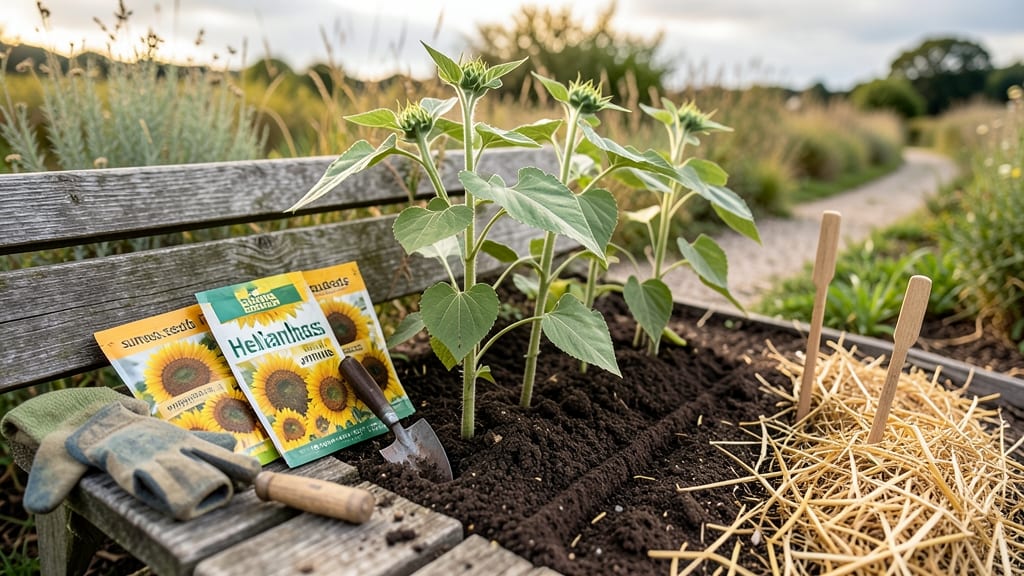
Plant sunflowers in Wisconsin after your last frost date—typically mid-May in USDA zones 4a-6b, but timing shifts by region and variety.
Wisconsin gardeners know timing is everything—plant sunflowers too early, and frost will strike; too late, and you’ll miss the towering summer blooms. But with Wisconsin’s diverse zones, finding the perfect window can feel like solving a puzzle.
Here’s the game-changer: soil temperature matters more than calendar dates. Wait until the ground warms to at least 50°F, and you’ll avoid stunted growth. I’ll break down the exact frost-free timeline for northern vs. southern Wisconsin, plus how to pick the right 🌻 varieties for your short season.
You’ll also discover how to stretch your harvest with succession planting, the best spacing for Wisconsin’s windy conditions, and when to fertilize for those 10-foot giants you’ve been dreaming of.
Wisconsin sunflower planting dates by USDA zone (3-5)
Sunflowers thrive in Wisconsin’s sunny summers, but getting them in the ground at the right time means the difference between vibrant blooms and frost-damaged seedlings. Wisconsin spans USDA zones 3-5, where last frost dates can vary by 2-3 weeks—so knowing your zone is key.
Whether you’re growing dwarf varieties for containers or giant sunflowers as statement plants, timing ensures your sunflowers reach their full potential before Wisconsin’s first fall frost hits in October.
Most gardeners in Wisconsin plant sunflowers after the last average frost date, but soil temperature matters just as much. Sunflower seeds need soil temps of 50°F (10°C) to germinate reliably.
In cooler zones like USDA 3, this might mean waiting until early June, while USDA 5 gardeners can start as early as mid-May. Below, I’ve broken down the ideal planting windows for each zone, including adjustments for direct sowing versus transplanting.
For USDA Zone 3 gardeners in northern Wisconsin (think Superior or Rhinelander), the window is tight. Planting sunflowers too early risks frost damage to young seedlings, while waiting too late may cut your blooming season short.
I recommend starting seeds indoors 2-3 weeks before your target outdoor date if you’re eager to get a jumpstart. Use grow lights to simulate long daylight hours, and transplant outdoors only after the soil temperature consistently stays above 50°F.
In USDA Zone 4 (Madison, Milwaukee, Wausau), you’ve got a little more flexibility. Most gardeners here can direct-sow sunflowers after Memorial Day, but I always check the 7-day forecast for late frosts.
If you’re growing tall varieties like ‘Russian Giant’, aim for mid-May planting to ensure they mature before the first frost in early October. For dwarf varieties, you can push planting to early June and still enjoy summer blooms.
Gardeners in USDA Zone 5 (La Crosse, Eau Claire, southern Wisconsin) can plant sunflowers as early as mid-April, provided the soil isn’t frozen or waterlogged. This zone offers the longest growing season, so you can even try succession planting—sow a second batch in early June for late-summer blooms.
Just be mindful of pests like sunflower moths, which thrive in warm, humid conditions. I’ve found that planting marigolds nearby helps deter them naturally.
If you’re transplanting sunflower seedlings (instead of direct sowing), start them indoors 4-6 weeks before your target planting date. Use biodegradable pots to avoid disturbing roots during transplanting. Harden off seedlings by placing them outdoors for 2-3 hours daily in a sheltered spot for 1 week before transplanting.
This gradual adjustment helps them adapt to Wisconsin’s variable weather, from sudden cold snaps to heatwaves.
One common mistake I see is planting sunflowers too close to buildings or fences, which can block sunlight and stunt growth. Sunflowers need 6-8 hours of full sun daily, so choose a spot with open sky exposure.
In urban areas, south-facing walls or rooftop gardens work well. If you’re growing giant varieties, consider staking them early to prevent wind damage—Wisconsin’s summer storms can snap tall stems.
Finally, don’t forget that soil preparation impacts germination timing. Amend your soil with compost or aged manure a few weeks before planting to improve drainage and fertility. Sunflowers are drought-tolerant once established, but young plants need consistent moisture to prevent bolting (premature flowering).
Mulch around the base with straw or wood chips to retain moisture and suppress weeds.
With these zone-specific guidelines, you’ll be well on your way to growing healthy, vibrant sunflowers that bring color and joy to Wisconsin’s summer landscapes. Whether you’re a beginner or a seasoned gardener, timing
5 Critical factors that change sunflower planting time in Wisconsin
Wisconsin’s climate throws curveballs—frost can linger in northern zones like USDA 3a well into May, while southern areas (USDA 5) may be frost-free by early April. This variability means your sunflower planting window isn’t one-size-fits-all.
Let’s break down the 5 game-changers that shift your ideal timing, so you can avoid frost damage or missed blooms.
First, soil temperature is non-negotiable. Sunflower seeds won’t germinate until the soil hits 50°F (10°C). In northern Wisconsin, this often means waiting until late May, while southern gardeners can start as early as mid-April. Use a soil thermometer to check—don’t guess! Cold soil delays sprouting and invites rot.
Next, your sunflower variety dictates your timeline. Dwarf varieties like ‘Teddy Bear’ (3–4 feet tall) mature in 50–60 days, giving you flexibility for later plantings. Meanwhile, giant varieties like ‘Russian Giant’ (12–16 feet!) need 120+ days to reach harvest.
Planting these after June in northern WI risks frost killing them before they bloom.
- Soil Temp: Wait until soil reaches 50°F (10°C)—use a thermometer! Northern WI often means late May plantings.
- Variety Matters: Dwarf sunflowers (50–60 days) can handle June plantings, while giants (120+ days) need May starts in USDA 3.
- Microclimates: South-facing slopes warm 1–2 weeks earlier than shady spots—adjust your timing accordingly.
- Succession Plant: Stagger plantings every 2 weeks for continuous blooms—ideal for July–August harvests.
- Frost Risk: Northern WI’s late May frosts mean giant varieties should be started indoors in April for transplanting.
Don’t overlook microclimates—your garden isn’t uniform. A south-facing slope might be warm enough for planting by early May, while a low-lying area could still be chilly. Observe where frost pools in your yard, and adjust your timing for those spots.
Even a 1–2 week difference can mean the difference between thriving plants and frost-nipped seedlings.
For succession planting, space out your sowings every 2 weeks from May through June. This ensures a steady supply of blooms and seeds from July through September.
It’s especially useful in shorter growing seasons—think of it as an insurance policy against late frosts or unpredictable weather. Plus, continuous blooms attract pollinators all summer long!
Finally, northern Wisconsin’s frost risk demands extra caution. In USDA zones 3–4, giant sunflowers should be started indoors in early April for transplanting after the last frost. Dwarf varieties can often be direct-sown in late May, but always have row covers ready for unexpected cold snaps.
Check your local Wisconsin State Climatology Office for frost forecasts—it’s your best ally against Mother Nature’s surprises.