
Flowers
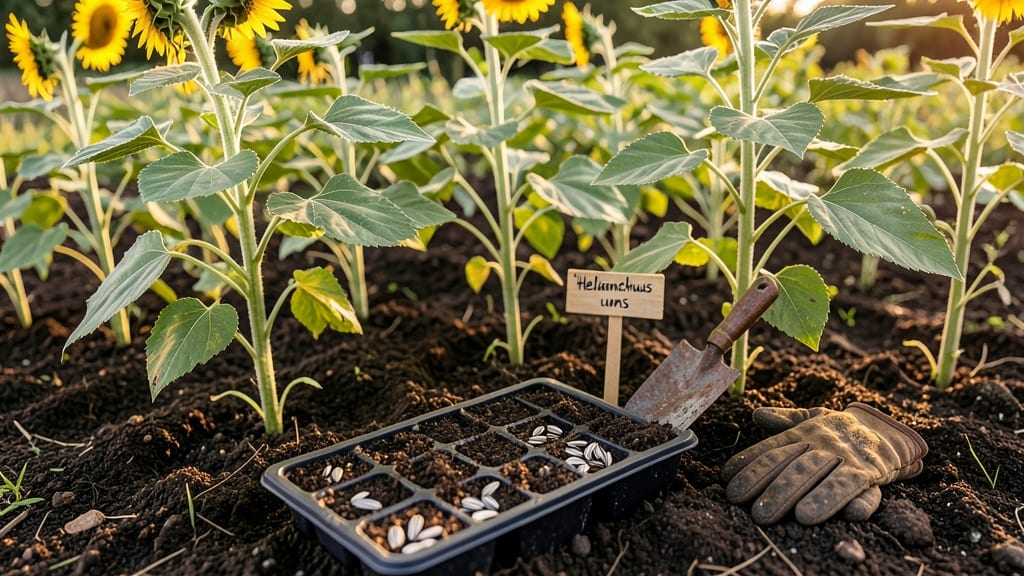
Planting sunflowers in Zone 8b is all about timing—aim for mid-March to early April to catch the sweet spot between last frost and summer heat.
Miss that window, and you’ll either get leggy, heat-stressed plants or blooms that arrive too late for summer’s golden peak. I’ve seen sunflowers 🌻 bolt in April’s warmth when planted too early, and that’s a heartbreaking waste of effort.
Zone 8b’s mild winters and long growing season mean you’ve got flexibility, but soil temperature is the real key. Wait until the ground hits at least 50°F—that’s when seeds sprout reliably, not when the calendar says spring.
Here’s the exact breakdown: when to start indoors (if you’re impatient), how to adjust for coastal vs. inland microclimates, and why a late-summer planting can still deliver October blooms—plus the one trick to extend your season by weeks.

Optimal sunflower planting dates in Zone 8b by variety type
Sunflowers in Zone 8b love the warmth, but getting the timing right ensures those iconic blooms appear when you want them.
Since Zone 8b spans from coastal humidity to inland heat, I’ve broken down planting windows by variety type—tall, medium, and dwarf—to maximize your success. Frost dates are less of a concern here, but heat tolerance and soil moisture become critical factors.
Most gardeners in Zone 8b plant sunflowers in spring (March-April) for summer blooms, but late summer plantings (August) can yield fall flowers before the first frost. The key is aligning your planting dates with each variety’s mature days to maturity.
For example, a 90-day variety planted in early March will bloom by early June, while the same variety planted in late August may flower in October.
Here’s a quick reference for Zone 8b’s microclimates:
- Coastal areas (e.g., San Francisco Bay): Cooler summers, longer growing season.
- Inland valleys (e.g., Central Valley): Hotter, drier summers with faster growth.
- Desert edges (e.g., Southern California): Intense heat, needs extra water.
For tall varieties like 'Russian Giant' (120 days to maturity), start seeds indoors in late February or direct-sow in early March to ensure they reach their full height before summer’s peak heat. These giants need 6-8 feet of space and benefit from afternoon shade in inland areas to prevent bolting.
Medium-height sunflowers like 'Autumn Beauty' (70 days) are the most versatile for Zone 8b. They thrive when planted in March-April for summer blooms or late August for fall color. Their drought tolerance makes them ideal for inland gardens where water conservation is key.
Dwarf varieties like 'Teddy Bear' (50 days) are my go-to for container gardening or small plots. Plant them in late March for spring blooms or late August to enjoy flowers into early fall. These compact plants handle heat stress better than taller types and are perfect for coastal microclimates with cooler summers.
If you’re in a coastal Zone 8b area, like parts of Northern California, you can push planting dates slightly later due to cooler summers. For example, dwarf varieties can be sown as late as mid-April for summer blooms.
In contrast, inland valleys (e.g., Central Valley) should plant tall varieties by mid-March to avoid heat stress during flowering.
Pro tip: Use mulch to retain soil moisture for tall varieties in hot inland areas. A 2-3 inch layer of straw or wood chips can extend your planting window by 1-2 weeks in late spring.
For fall plantings, apply mulch early to protect young seedlings from temperature swings as summer transitions to autumn.
Remember, sunflowers are fast growers, but they hate soggy roots. In Zone 8b’s humid coastal areas, ensure your soil has good drainage to prevent fungal diseases. For inland gardens, focus on deep watering (1-2 gallons per plant) every 7-10 days once established.
By matching your variety type to the right planting window and adjusting for your local microclimate, you’ll enjoy sunflowers blooming from spring to fall—with minimal fuss. Happy planting! 🌻
How to adjust planting for Zone 8b’s microclimates and soil conditions
Zone 8b’s diverse conditions can make sunflower planting tricky—whether you’re dealing with coastal humidity, inland heatwaves, or heavy clay soil. The key is adapting your timing and care to match your specific microclimate.
For example, coastal areas like Santa Barbara stay cooler longer, while inland spots like Phoenix can hit 100°F+ by June. Let’s break down how to adjust for these variations.
Soil type plays a huge role too. Sandy soil drains too quickly and needs organic matter to retain moisture, while clay soil can suffocate roots if not amended. I’ve found that adding compost or aged manure before planting makes all the difference.
Test your soil’s pH—sunflowers prefer 6.0 to 7.0, and adjustments here can prevent nutrient deficiencies.
Here’s how to fine-tune your planting for Zone 8b’s unique challenges:
- 🌊 Coastal Areas: Plant 2-3 weeks later (late April) to avoid spring fog delays. Use mulch to prevent soil cooling.
- ☀️ Inland Heat: Start seeds indoors in March or direct-sow early April to beat the heat. Provide afternoon shade for seedlings.
- 🏜️ Sandy Soil: Water deeply 2x/week and mix in peat moss to retain moisture. Choose drought-tolerant varieties like ‘Little Becka.’
- 🏗️ Clay Soil: Amend with gypsum or compost to improve drainage. Plant on mounds to prevent waterlogging.
- 🌡️ Late-Season Blooms: Use shade cloth (30%) in July to protect flowers from heat stress. Succession plant in August for fall blooms.
For coastal gardeners, I recommend starting seeds indoors in early April to give them a head start. The cooler, damp conditions can slow germination, so a heat mat helps.
Once seedlings are 4-6 inches tall, transplant them after the last frost date (usually mid-March inland, but later near the coast). Use black plastic mulch to warm the soil faster—this trick has extended my growing season by 10-14 days.
Inland, where temperatures soar, focus on shade cloth and drip irrigation. I’ve had success with 50% shade cloth during peak afternoon heat (2 PM–5 PM) to prevent bolting.
For soil, mix in vermiculite to improve aeration in heavy clay. If your soil is sandy, group sunflowers with companion plants like beans to add nitrogen naturally.
Don’t overlook late-season planting! In Zone 8b, you can still get blooms by sowing seeds in late August. These sunflowers will mature just in time for fall festivals or seed harvesting.
Just be sure to use shade cloth and water consistently—drought stress in September can stunt growth. With these adjustments, you’ll enjoy sunflowers from June through October!