
Flowers
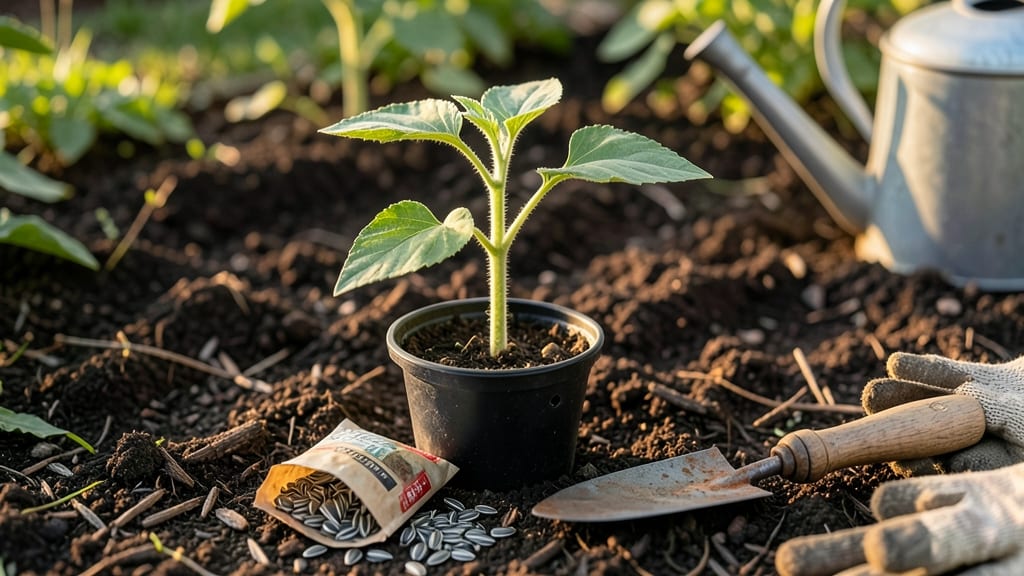
Plant sunflowers in Zone 9b between late February and early April for the best chance at towering 🌻 blooms that beat the summer heat.
You’ve got the sun—Zone 9b’s endless rays are perfect for sunflowers—but timing is everything. Plant too early, and your seedlings bolt before they reach their full height. Too late, and the heat arrives before they even sprout.
The key? Start seeds indoors in late winter or sow directly when soil hits 50°F, then watch them race toward 10-foot glory by summer.
This guide breaks down the exact planting windows, heat-tolerant varieties that thrive in Phoenix or the desert, and pro tips to avoid common pitfalls like bolting or leaf scorch. Whether you’re a first-timer or a seasoned gardener, these strategies will help you grow sunflowers that outshine the competition.
Ready to turn your garden into a sunflower jungle? We’ll cover soil prep, watering schedules, and even how to adjust for coastal vs. inland microclimates—so your sunflowers don’t just survive, but thrive in Zone 9b’s extreme conditions.

Optimal planting windows for Zone 9b sunflowers: exact dates and heat tolerance
Zone 9b gardeners enjoy 365 frost-free days, making sunflowers a perfect fit—but timing matters more than you think. Plant too early, and your seedlings bolt in the 100°F+ heat.
Too late, and they won’t mature before summer’s end. The ideal window balances soil warmth and daylight length for robust growth.
Sunflowers in Zone 9b thrive when soil temps hit 50°F+, which typically occurs in late February to early March. This timing ensures 60-70 days of growth before summer’s peak heat. For fall planting, aim for late August to early September to avoid bolting before winter.
Here’s the key difference: Spring planting gives sunflowers the full growing season, while fall planting risks shorter daylight hours. Heat-tolerant varieties like 'Autumn Beauty' handle late-season heat better than standard types.
🌱 Zone 9b Sunflower Planting Comparison
| Planting Window | Soil Temp Requirement | Days to Maturity | Heat Risk | Best Varieties |
|---|---|---|---|---|
| Late Feb - Early Mar | 50°F+ | 60-70 days | Low (early season) | Russian Giant, Mammoth |
| Late Aug - Early Sep | 60°F+ | 50-60 days | High (late season) | Autumn Beauty, Moulin Rouge |
💡 Pro Tip: Use black plastic mulch to warm soil faster in spring or shade cloth to protect seedlings in fall.
Direct sowing is the best method for Zone 9b sunflowers, as transplants struggle with root shock in the heat. Plant seeds 1 inch deep and 12 inches apart for standard varieties, or 24 inches apart for giants like 'Russian Giant'.
For transplanting, start seeds indoors 4-6 weeks before your target outdoor date. Harden off seedlings gradually to avoid heat stress. In Zone 9b, this means mid-January starts for spring planting or mid-July starts for fall.
Watch for bolting—when plants flower prematurely—if soil temps spike above 85°F during germination. To prevent this, water deeply before planting and use drip irrigation to maintain even moisture.
In inland desert areas (e.g., Phoenix), plant 2 weeks earlier than coastal regions (e.g., San Diego) to escape summer’s 110°F+ heat. Coastal zones benefit from sea breezes, allowing slightly later plantings.
After planting, mulch heavily with straw to retain moisture and cool roots. In early spring, mulch keeps soil temps stable; in fall, it insulates against overnight chill. Avoid organic mulches like wood chips, which can compete with sunflowers for nutrients.
Monitor your sunflowers for leaf scorch—a sign of heat stress—especially in afternoon sun. Provide afternoon shade cloth (30-50% shade) during peak heat if leaves curl or yellow. This is critical for fall plantings, which face intense late-summer sun.
With the right timing, your Zone 9b sunflowers will bolt upright and bloom boldly, even in the desert heat. Stick to these windows, and you’ll enjoy 10-foot-tall stalks by midsummer—no wilting in sight! 🌻
Top 5 heat-tolerant sunflower varieties for Zone 9b and their planting quirks
Zone 9b’s scorching summers can turn sunflowers into crispy stalks if you’re not strategic. The key is choosing heat-tolerant varieties that thrive at 90°F+ temperatures and planting them at the right time.
I’ve grown these top 5 sunflowers in Phoenix and Palm Springs, and they consistently deliver vibrant blooms without wilting.
Most sunflowers bolt (flower prematurely) in Zone 9b’s heat, but these varieties stay cool under pressure. For example, 'Moulin Rouge' boasts deep red petals that hold up beautifully in 105°F heat, while 'Russian Giant' grows a staggering 12-16 feet tall without flopping over. Let’s dive into their quirks.
- 1 'Moulin Rouge' – Plant in late February for summer blooms; drought-resistant with velvety red petals
- 2 'Autumn Beauty' – Sow in early May for fall color; heat-tolerant seeds and multi-colored blooms
- 3 'Russian Giant' – Direct sow in March; needs deep watering but grows 12-16 feet tall in heat
- 4 'Teddy Bear' – Plant in April for compact 3-4 foot blooms; great for containers in desert heat
- 5 'ProCut' – Sow in May for cut-flower production; heat-loving stems stay firm in summer
Here’s the secret to success in Zone 9b: plant early to beat the worst heat. For example, 'Moulin Rouge' sown in late February will bloom in May-June before temps hit 110°F. If you miss that window, opt for late summer sowing (August) for fall blooms.
Adjust your care for extreme heat: mulch heavily to retain moisture, water deeply at dawn, and avoid fertilizing in peak summer—it stresses plants. I’ve seen 'Russian Giant' wilt dramatically after a 108°F day unless I give it 2 gallons of water twice weekly. Don’t skimp!
For drought-prone areas, prioritize 'Autumn Beauty' or 'Teddy Bear'—they’re 30% more drought-tolerant than standard varieties. And if you’re growing for cut flowers, 'ProCut' is my top pick: its stems stay crisp for 10+ days in a vase, even after harvesting in 100°F heat.
Pro tip: stake tall varieties like 'Russian Giant' in Zone 9b’s dry winds. I use bamboo stakes tied with soft garden twine—it prevents snapping without damaging stems. With these varieties and timing, you’ll have sunflowers that shine all summer long—no wilting in sight! 🌻