
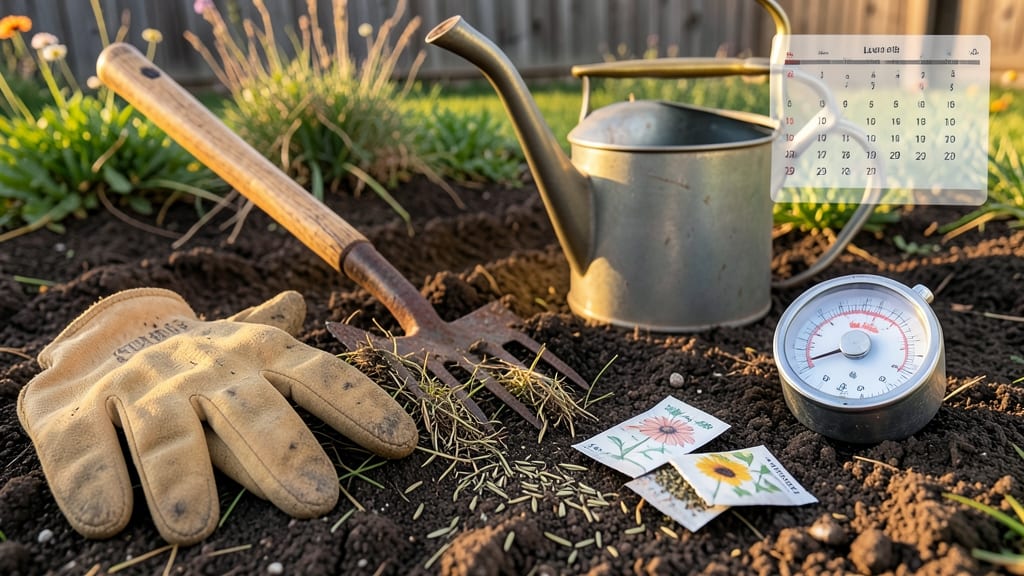
When to Plant Wildflower Seeds in Central Texas: Frost-Free Deadlines by Month

Plants

When to Plant Wildflower Seeds in Central Texas: Frost-Free Deadlines by Month

Planting wildflower seeds in Central Texas at the right time means the difference between a vibrant spring meadow and a patch of brown dirt by summer.

You’ve got 60 days—from mid-February to mid-April for spring or September to November for fall—to get them in the ground before frost or heat ruins your chances. Miss that window, and you’ll be left with wilted dreams instead of blooming bluebonnets and winecups.

Central Texas’s 8a hardiness zone and unpredictable weather make timing critical. Whether you’re sowing 🌼 bluebonnets for March showstoppers or fall-blooming coreopsis, the key is reading the frost dates and soil moisture. I’ll break down the exact deadlines by region—plus how to prep soil and outsmart summer’s dry spells.

By the end, you’ll know not just when to plant, but how to set your seeds up for success—no guesswork, just guaranteed blooms that bring bees, butterflies, and color to your landscape for months.

🌼 When to Plant Wildflowers
Jan 🌱
Feb 🌼
Mar 🌼
Apr 🌱
May 🌸
Jun ☀️
Jul ☀️
Aug 🌱
Sep 🌼
Oct 🌼
Nov 🌼
Dec 🌱
Ideal Time
Also Good

Central Texas wildflower planting deadlines by month (with frost risk zones)

Timing your wildflower planting in Central Texas means the difference between a vibrant spring display and wasted seeds. The region's USDA Zone 8a climate creates distinct planting windows, with fall and early spring being ideal.

Missing these deadlines risks frost damage or heat stress, both of which can kill young seedlings.

Central Texas cities like Austin, Waco, San Antonio, and College Station share similar frost patterns, but microclimates can shift planting dates by 1-2 weeks. For example, San Antonio's coastal influence delays first frost slightly compared to inland Waco.

Always check your last frost date—typically around February 15—and first frost near November 15.

Fall planting (September-November) is preferred because seeds germinate in cool weather, establish roots before winter, and bloom spectacularly next spring. Early spring planting (February-March) works for heat-tolerant varieties but requires consistent moisture to outpace summer drought.

Here’s the month-by-month breakdown for optimal planting windows, including frost risk zones and hardiness adjustments:

Month Austin (Zone 8a) Waco (Zone 8a) San Antonio (Zone 8b) College Station (Zone 8a) Key Notes
August ✅ Good (heat-tolerant seeds) ✅ Good (heat-tolerant seeds) ✅ Good (heat-tolerant seeds) ✅ Good (heat-tolerant seeds) Water daily; avoid late afternoon planting
September ⭐ Ideal (best month) ⭐ Ideal (best month) ⭐ Ideal (best month) ⭐ Ideal (best month) Seeds germinate in cool soil; minimal frost risk
October ⭐ Ideal (last chance) ⭐ Ideal (last chance) ⭐ Ideal (last chance) ⭐ Ideal (last chance) Frost possible late month; use mulch
November ⚠️ Risky (frost likely) ⚠️ Risky (frost likely) ✅ Good (cooler microclimates) ⚠️ Risky (frost likely) Only plant hardy varieties (e.g., coreopsis)
December-January ❌ Avoid (dormant season) ❌ Avoid (dormant season) ❌ Avoid (dormant season) ❌ Avoid (dormant season) Seeds won’t germinate; wait for spring
February ⭐ Ideal (early spring) ⭐ Ideal (early spring) ⭐ Ideal (early spring) ⭐ Ideal (early spring) Frost possible early month; monitor forecasts
March ⭐ Ideal (best spring month) ⭐ Ideal (best spring month) ⭐ Ideal (best spring month) ⭐ Ideal (best spring month)

Best wildflower seed types for Central Texas planting seasons

Central Texas’s unique climate demands wildflower seeds that thrive in both spring rains and summer droughts. The key is planting seasonal varieties that align with your region’s frost-free windows.

Spring-bloomers like bluebonnets and Indian paintbrush need early season starts, while fall-planted winecups and coreopsis establish roots before winter chill. Let’s break down the best drought-resistant options for each planting window.

For spring blooms, prioritize seeds that germinate in cool temperatures (50–60°F). Texas bluebonnets and Mexican hat are top picks—they self-seed reliably and attract butterflies for months. Plant these in late February to early March to avoid late frosts.

Meanwhile, fall-planted varieties like winecups and blackfoot daisies germinate best in September–October, giving them time to root before winter rains.

Seed Type Best Planting Window Bloom Season Drought Tolerance
Texas Bluebonnet Late Feb–Early Mar March–May High
Indian Paintbrush Late Feb–Early Mar April–June Medium
Winecups Sept–Oct Oct–Dec Very High
Coreopsis Sept–Oct March–May High
Mexican Hat Late Feb–Early Mar June–Aug Very High

If you’re planting in summer heat, opt for heat-tolerant varieties like black-eyed Susans or autumn sage. These handle 100°F+ temperatures better than most wildflowers, but plant them in early June to avoid seedling stress.

Always water deeply after planting—even drought-resistant seeds need moisture to germinate. For clay-heavy soils common in Central Texas, mix in compost to improve drainage and reduce compaction.

Pro tip: Stratify seeds for faster germination. Place seeds in a damp paper towel, seal in a bag, and refrigerate for 2–4 weeks before planting. This mimics natural winter conditions and tricks seeds into thinking they’ve experienced a cold spell. Bluebonnets and Indian paintbrush respond especially well to this method.

After stratification, sow seeds directly into well-prepped soil—no need for transplanting, as wildflowers dislike root disturbance.

For pollinator powerhouses, blend three seed types in each planting. For example, combine bluebonnets (nectar source), coreopsis (pollen), and winecups (early blooms) to support bees, butterflies, and hummingbirds year-round.

Avoid annual ryegrass mixes—these crowd out wildflowers and require mowing. Instead, choose 100% native wildflower blends labeled for Central Texas to ensure compatibility with local ecosystems.

Remember: Fall planting is often more successful than spring in Central Texas. Seeds germinate during cool, wet conditions and establish roots before summer heat arrives. If you miss fall, February is your next best shot—just be ready to protect seedlings with frost cloth if late frosts linger.

With the right seed selection and timing, your Central Texas landscape will burst into color with minimal effort. 🌼

★★★★★4.6(1 review)
Categories Plants