Plants
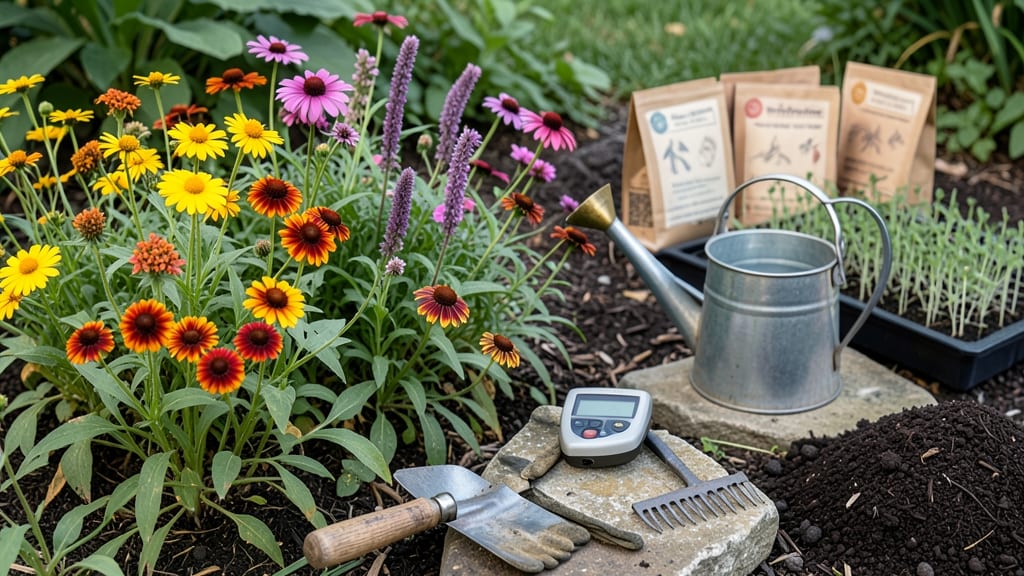
Planting wildflower seeds in Florida year-round gives you nonstop color—but timing is everything to avoid sparse blooms or wasted seeds.
Picture this: you scatter your seeds in the scorching summer heat, only to watch them dry up before they sprout. Or worse, you plant in late spring and get hit by a surprise frost in North Florida.
The key? USDA zone-specific windows that align with Florida’s microclimates, from the cooler winters of Zone 8a to the frost-free South.
Fall and early spring are the sweet spots for most native wildflowers like coreopsis and black-eyed Susans, but South Florida’s year-round warmth lets you plant almost anytime. I’ll break down the exact months for each zone, plus soil prep tips and post-planting care to ensure your meadow thrives.
Ready to turn your yard into a wildflower paradise? Let’s get those seeds in the ground at the perfect time.
Florida’s best wildflower planting windows by USDA Zone (8a-10a)
Florida’s USDA zones 8a-10a offer unique opportunities for wildflower gardening, but timing is everything. Unlike cooler climates, Florida’s mild winters and long growing season mean you can plant wildflowers year-round—but some months give you thicker blooms and better survival rates.
The key? Understanding your zone’s microclimate patterns and choosing the right species for each season.
Most Florida gardeners get the best results by planting in late summer (August-September) or early spring (February-March). These windows align with Florida’s natural rainfall cycles and avoid the peak heat of summer or occasional winter chills in North Florida.
For example, coreopsis and black-eyed susans thrive when sown in September, while milkweed prefers February planting to establish roots before summer’s intensity.
Here’s the breakdown by zone—because even within Florida, North Florida (8a) and South Florida (10a) have different ideal planting times due to frost risk and humidity levels.
| USDA Zone | Best Planting Window | Key Species | Why This Timing? |
|---|---|---|---|
| 8a (North FL: Jacksonville, Gainesville) | Late August–September February–March |
Coreopsis, Black-eyed Susan, Purple Coneflower, Milkweed | Avoids summer heat; September seeds germinate with fall rains. February planting escapes late-winter frosts. |
| 9a (Central FL: Orlando, Tampa) | August–October January–February |
Blanket Flower, Butterfly Weed, Wild Bergamot, Partridge Pea | Longer growing season allows year-round planting, but fall/winter windows reduce competition from weeds. |
| 10a (South FL: Miami, Fort Lauderdale) | Year-round (best June–September) | Firewheel, Goldenrod, Tropical Milkweed, Plumbago | No frost risk; summer planting aligns with monsoon rains. Avoid peak hurricane season (June–November) for safety. |
🌱 Pro Tip: In Zone 8a, cover seeds with lightweight row fabric in February to protect from late frosts.
If you’re in Zone 8a, focus on September planting for the biggest impact. The warm soil and incoming rains create perfect conditions for seeds to germinate before winter’s dry spell.
I’ve seen my coreopsis and coneflower plots explode with color when sown in late August—just make sure to water lightly daily until seedlings appear.
For Zone 9a, the January–February window is ideal for spring-blooming wildflowers like butterfly weed and wild bergamot. These months offer cooler temps and higher humidity, which reduce seed stress.
I’ve noticed that seeds planted in February often bloom by April, giving you a head start on pollinators.
South Florida’s Zone 10a is the most flexible, but June–September is still the sweet spot. The summer monsoons provide natural irrigation, and you avoid the hurricane season rush (though always check forecasts!). My tropical milkweed thrives when sown in July, and it’s a magnet for monarch butterflies by September.
One common mistake? Planting summer annuals like blanket flower too early in Zone 8a. The seeds can rot in hot, wet soil before germinating. Instead, wait until mid-August when temps dip slightly. I learned this the hard way—my first attempt in June yielded almost no sprouts!
For perennial wildflowers like purple coneflower, fall planting is your best bet across all zones. The cool weather encourages root growth, and plants establish before Florida’s intense summer heat.
I’ve found that September-sown coneflowers often bloom by next spring, while those planted in March may struggle with drought stress.
Don’t overlook winter planting in Zones 9a–10a. While Florida rarely freezes, December–January offers lower humidity and cooler nights, which can improve germination for delicate seeds like plumbago. Just keep an eye on frost advisories—even South Florida can get a surprise chill.
Final tip: Prep your soil 2–3 weeks before planting. Florida’s sandy soil drains too quickly, so mix in compost or aged manure to retain moisture. I swear by a 50/50 blend of topsoil and compost—it makes all the difference for wildflower success.
Once your seeds are in, mulch lightly to keep moisture in and weeds out. 🌿
How Florida’s microclimates affect wildflower seed germination timing
Florida’s diverse microclimates create unique challenges and opportunities for wildflower seed germination. In North Florida (USDA Zones 8a-8b), cooler winters and occasional frost shift planting windows to late summer or early fall (August-September), while South Florida (Zones 9b-11) allows year-round planting with peak success in spring (February-April).
These differences stem from humidity levels, rainfall patterns, and temperature fluctuations that vary dramatically across the state.
High humidity in South Florida can cause seeds to rot before sprouting, making well-draining soil critical. Meanwhile, North Florida’s drier winters require light irrigation to maintain moisture without overwatering.
Coastal areas benefit from salty air and wind, which can stress seedlings, while inland regions face higher heat stress during summer months. Understanding these regional factors ensures your wildflowers thrive from seed to bloom.
North Florida (Zones 8a-8b) Planting
Pros
- Cooler winters reduce seed dormancy issues
- Fall planting avoids summer heat stress
- Native species like coreopsis adapt well
Cons
- Occasional frost risk in late winter
- Drier soil conditions require extra moisture
- Slower germination in cooler months
South Florida (Zones 9b-11) Planting
Pros
- Year-round planting flexibility
- Faster germination in warm soil
- Diverse wildflower species thrive
Cons
- High humidity increases rot risk
- Summer heat stress can dry seeds
- Coastal salinity may affect seedlings
In coastal regions, like the Florida Keys or Gulf Coast, the salty breeze demands extra rinsing of seeds and soil prep. I recommend using rainwater or distilled water for the first 2 weeks to protect delicate seedlings.
For inland areas, like Orlando or Tallahassee, focus on mulching to retain moisture during dry spells. The key is matching your planting strategy to your local climate—what works in Miami won’t work in Gainesville.
Rainfall patterns also play a crucial role. In North Florida, the dry season (November-April) means you’ll need to water seeds manually until established, while South Florida’s wet season (June-October) can lead to over-saturation if seeds aren’t planted in raised beds.
I’ve found that late summer planting in North Florida (August-September) gives seeds time to establish roots before winter rains arrive, while spring planting in South Florida (February-March) aligns with natural rainfall cycles.
Temperature fluctuations further complicate timing. In Zone 8a, like Jacksonville, seeds planted in early fall experience ideal 60-70°F soil temps for germination, while Zone 10a, like Miami, can plant anytime—just be prepared for faster growth cycles.
For example, black-eyed susans may bloom in 60 days in South Florida but take 90 days in North Florida. Adjust your expectations and seed mixes accordingly.
To adapt, I recommend testing your soil’s moisture retention before planting. Amend sandy soils with compost or coconut coir to improve water retention, while coastal soils may need gypsum to reduce salinity.
By aligning your planting with your local microclimate, you’ll see healthier seedlings and longer bloom seasons—no matter where in Florida you garden. 🌱