
Plants
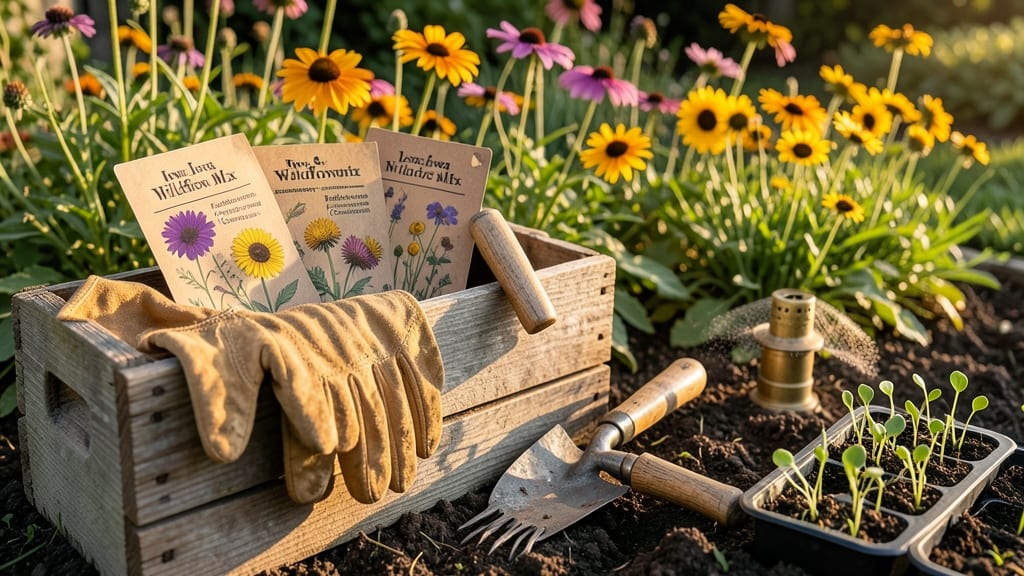
Plant wildflower seeds in Iowa between March 15 and April 30 or September 1 and October 15 to outsmart the state’s fickle weather and ensure a showstopping meadow.
Iowa’s short growing season and unpredictable spring weather can make planting wildflower seeds a guessing game—but timing it right ensures vibrant blooms from spring to frost.
Spring planting lets you beat the heat, while fall sowing takes advantage of cooler temps and fewer weeds. Both windows work in USDA Zones 5a-6b, but the key is preparing the soil and choosing the right varieties for your region.
Below, I’ll break down the best methods for each season, plus the top Iowa-native wildflowers that thrive with minimal fuss. Ready to turn your yard into a pollinator paradise?
Best planting windows for Iowa wildflowers by season (spring vs fall focus)
Iowa’s USDA Zone 4 climate demands precision when planting wildflower seeds. The last frost date typically arrives around April 15, while the first frost hits October 15.
These dates create a narrow window for success—plant too early, and seeds may rot; too late, and they won’t establish before winter. My strategy? Focus on two critical windows: early spring (March–April) and fall (September–October).
Spring planting in Iowa offers 60–90 days of growing season before summer heat sets in. This is ideal for annual wildflowers like cosmos and zinnias, which bloom quickly. However, soil temperatures must reach 40°F or warmer for germination.
Fall planting, on the other hand, allows seeds to stratify naturally over winter, producing robust growth in spring. This method works best for perennial species like coneflowers and black-eyed Susans.
Here’s the key: Soil temperature is your best guide. Use a soil thermometer to confirm 45°F+ for spring and 50°F+ for fall before sowing. In my experience, waiting for these conditions eliminates the guesswork and ensures higher germination rates. Iowa’s variable weather makes this step non-negotiable.
🌱 Iowa Wildflower Planting Windows Comparison
| Season | Best Planting Month | Soil Temp Requirement | Wildflower Types | Key Advantage |
|---|---|---|---|---|
| Spring | March 15–April 30 | 40°F–50°F | Annuals (Cosmos, Zinnias), Biennials | Fast summer blooms |
| Fall | September 1–October 15 | 50°F–60°F | Perennials (Coneflowers, Blazing Stars) | Natural stratification |
| Late Summer | August (Emergency) | 60°F+ | Fast-Germinating Annuals | Last-chance blooms |
⚠️ Pro Tip: Avoid planting after September 20—seeds won’t establish before frost.
For spring planting, I recommend starting in late March once the ground is workable. Use a light mulch (straw or leaves) to protect seeds from late frosts. In my Zone 4b garden, I’ve found that covering seeds with a cold frame extends the window by 2–3 weeks.
This is especially helpful for delicate annuals like sweet alyssum.
Fall planting, however, requires a different approach. Aim to sow seeds 6–8 weeks before the first frost (typically by September 15). This timing allows roots to establish before winter dormancy.
I’ve had the most success with perennial wildflowers like purple coneflower, which thrive when planted in fall. Their deep taproots benefit from cool soil temperatures during establishment.
One common mistake I see is planting too early in spring when soil is still cold and wet. This leads to seed rot and poor germination. To avoid this, I always check the 7-day forecast for stable temperatures before sowing.
If frost is predicted within 5 days, delay planting until conditions improve. Patience pays off—waiting for the right moment ensures stronger seedlings.
Another critical factor is moisture management. Iowa’s spring can swing from dry spells to sudden downpours. After sowing, I use a fine mist setting on my hose to keep seeds moist without displacing them.
For larger areas, a soaker hose works wonders. Remember, seeds need consistent moisture to germinate within 7–14 days. Once sprouts appear, reduce watering slightly to prevent fungal issues.
For fall-planted seeds, focus on well-draining soil. Compacted or waterlogged areas can suffocate seeds over winter. I recommend amending clay-heavy Iowa soil with compost or sand before sowing.
This improves aeration and drainage, which are critical for perennial wildflowers that need to overwinter successfully. In my experience, adding a 1-inch layer of compost makes a noticeable difference.
Finally, don’t overlook weed competition. Wildflower seeds are tiny and need sunlight to germinate. I always remove weeds before sowing and apply a light mulch afterward to suppress new growth. This simple step can double your success rate by giving seedlings a head
How to adjust planting timing for Iowa’s microclimates and soil conditions
Iowa’s diverse regions create unique challenges for wildflower planting. The eastern half, with its humid continental climate, often experiences earlier springs and wetter soils, while the western half faces drier conditions and later frost dates.
These differences mean your planting timeline should shift depending on where you live in the state.
Soil type also plays a critical role. Clay-heavy soils in northern Iowa drain poorly and can delay germination, while loamy soils in southern regions warm up faster in spring.
Even within the same county, a south-facing slope will be ready for planting weeks before a shady valley. Adjust your schedule accordingly to avoid seed waste.
Before sowing, test your soil’s moisture retention. In dry western Iowa, pre-soak seeds for 24 hours to improve germination rates. For moist eastern areas, focus on loosening compacted soil to prevent rot.
A simple pH test (aim for 6.0-7.0) will reveal if lime or sulfur is needed before planting.
Iowa Planting Adjustments by Region
| Region | Soil Type | Best Planting Window | Prep Tip |
|---|---|---|---|
| Eastern Iowa | Loamy | April 1-15 (spring) or Sept 15-Oct 1 | Aerate compacted soil |
| Western Iowa | Clay/Sandy | April 15-May 1 (spring) or Sept 1-Oct 15 | Pre-soak seeds 24 hrs |
| Northern Iowa | Clay-heavy | May 1-15 (spring) or Sept 1-Oct 1 | Add compost to improve drainage |
🌱 Pro Tip: Use a soil thermometer—seeds need 45-55°F soil temps to germinate.
For spring planting, wait until the soil reaches 50°F (use a thermometer) and nighttime temperatures stay above 40°F. In western Iowa, this often means delaying until mid-April compared to early April in eastern areas.
Fall planting should occur 4-6 weeks before first frost—typically mid-September in northern Iowa and early October in southern regions.
Moisture management is key. In dry years, consider mulching with straw after sowing to retain moisture. For wet springs, plant on raised beds or slopes to prevent seed rot. Always water lightly after planting—never flood—to ensure seeds make contact with soil without washing away.
Finally, monitor your local Almanac frost dates but adjust by 1-2 weeks based on microclimates. A south-facing hillside may support late spring blooms when valley gardens still face frost risk. With these adjustments, your wildflower meadow will thrive regardless of Iowa’s regional quirks. 🌼