
Plants
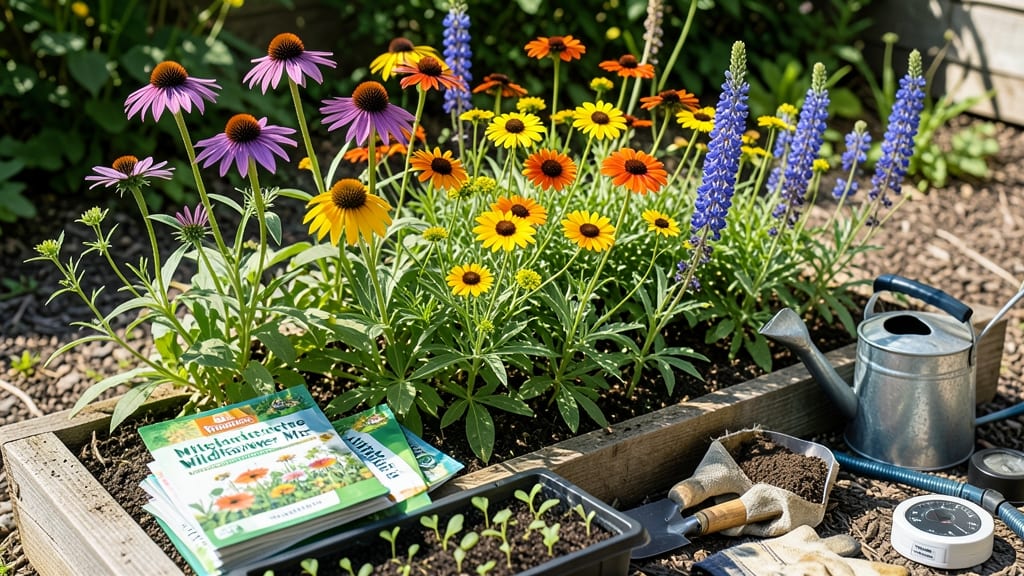
Planting wildflower seeds in Michigan at the right time means the difference between a thriving meadow and a missed opportunity for pollinators and color.
Timing your wildflower planting in Michigan can mean the difference between a vibrant meadow and a failed bloomscape—get the frost-date strategy right to unlock year-round color and pollinator support.
With USDA zones 5a-6b and frost dates that shift from mid-April in the north to early April in the south, knowing whether to sow in spring or fall is everything.
Below, I break down the exact frost-date windows for each zone, the best wildflower varieties for Michigan’s climate, and how to prep your soil for maximum germination—so you can start planting with confidence.
Michigan USDA zones & ideal wildflower planting windows by month
Michigan spans USDA Zones 4a through 6b, meaning frost dates vary dramatically from northern Upper Peninsula to southern Lower Peninsula. Understanding these zone-specific windows ensures your wildflowers thrive—whether you're planting annuals for instant color or perennials for long-term meadows.
The key? Planting when soil temps hit 40°F+ and frost risk drops below 20%.
Spring planting in Michigan typically starts in late March to early April in southern zones (like Detroit), while northern areas (like Marquette) wait until mid-to-late May. Fall planting offers a second chance, with August to early September being ideal—before the first hard frost.
Perennials benefit most from fall sowing, as cooler temps encourage root growth before winter dormancy.
Here’s how Michigan’s 6 USDA zones break down for wildflower planting, including frost-date thresholds and optimal monthly windows. Use this as your frost-free calendar to avoid failed blooms.
For annual wildflowers like cosmos or zinnias, spring planting is your best bet—sow seeds 2-3 weeks after your last frost date for vibrant summer blooms. In Zone 6b, that might mean late February, while Zone 4a gardeners should wait until late May.
Perennials like black-eyed Susans or coneflowers thrive when planted in fall. Their roots establish over winter, giving them a 2-3 week head start in spring. Aim to sow 6-8 weeks before your first frost—so early September in northern zones and mid-October in southern zones.
Pro tip: Prep your soil in fall (even if planting in spring) by tilling in compost or native soil mix. This improves drainage and warms up faster in spring. Test your soil pH—most Michigan wildflowers prefer 6.0-7.0, but lupines
Best wildflower seed types for Michigan’s climate & when to sow them
Michigan’s diverse USDA zones (5a-6b) create perfect conditions for wildflowers that thrive in both spring and fall plantings. Native varieties like black-eyed Susan and purple coneflower are hardy choices, while non-natives like cosmos add vibrant color.
The key is matching seed types to planting windows—spring for quick blooms or fall for early establishment.
For spring planting (March-April), focus on annuals like sunflower and zinnia, which germinate quickly in warming soil. Fall planting (August-September) favors perennials such as bee balm and asters, giving roots time to establish before winter.
Always aim for soil temperatures above 60°F for optimal germination—use a soil thermometer if unsure.
Native wildflowers like wild bergamot and butterfly weed support local pollinators and require minimal care once established. Non-natives like lupine and poppies offer bold colors but may need light irrigation during dry spells. Choose seeds pre-treated for better cold tolerance if planting early spring.
| Variety | Planting Season | Germination Time | Sun Needs | Notes |
|---|---|---|---|---|
| Black-Eyed Susan | Spring/Fall | 7-14 days | Full sun | Drought-tolerant; attracts bees |
| Purple Coneflower | Spring/Fall | 10-21 days | Full sun | Perennial; deer-resistant |
| Cosmos | Spring | 5-10 days | Full sun | Fast-growing; self-seeds |
| Bee Balm | Fall | 14-21 days | Partial sun | Attracts hummingbirds |
| Sunflower | Spring | 7-10 days | Full sun | Tall; great for pollinators |
After sowing, keep seeds lightly moist until germination—avoid overwatering to prevent fungal diseases. Spring-planted seeds may need light mulch to retain moisture, while fall-planted perennials benefit from a thin layer of straw to protect from early frosts. Always avoid heavy foot traffic until seedlings are 2-3 inches tall.
For best results, combine native and non-native varieties in your meadow. Native plants like wild bergamot establish quickly and require less maintenance, while non-natives like lupine add vertical interest. Rotate seed mixes every 2-3 years to prevent soil depletion and keep your garden vibrant.
Michigan’s variable climate means timing matters—plant spring annuals after the last frost date (typically mid-April), and fall perennials 6-8 weeks before first frost (usually late September). With the right seed selection and planting strategy, you’ll enjoy year-round blooms and a thriving ecosystem for pollinators and wildlife. 🌼