Plants
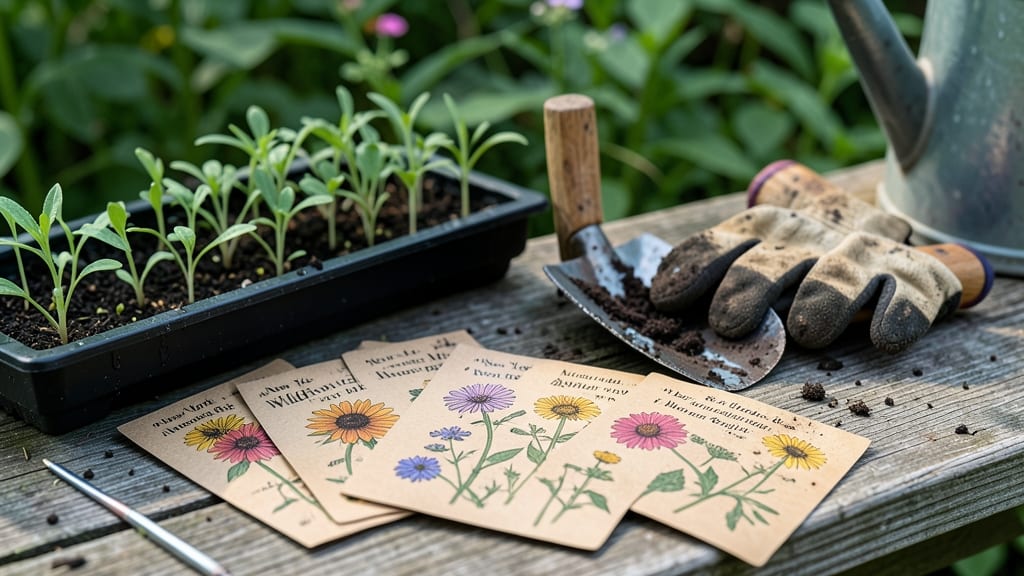
Plant wildflower seeds in New York between late winter and early spring or late summer to early fall for the best blooms 🌼 — timing is everything to avoid frost damage or missed growing seasons.
Timing is everything when planting wildflower seeds in New York—plant too early, and frost will kill your delicate blooms; too late, and you’ll miss the prime growing season. Get it right, and you’ll transform your garden into a vibrant pollinator paradise by next summer.
New York’s climate varies from zone 5a to 7b, meaning your ideal planting window depends on where you live. Upstate gardeners have a shorter frost-free season than those in NYC, so knowing your zone is the first step to success.
In this guide, I’ll break down the exact frost-free deadlines by region, the best native wildflower varieties for your garden, and pro tips to ensure your seeds germinate and thrive—so you can enjoy a burst of color from late spring through early fall.
New York planting zones & frost-free deadlines for wildflower seeds
New York spans USDA hardiness zones 5a through 7b, meaning last frost dates can vary dramatically—from early April in Long Island to late May in the Adirondacks. For wildflowers, this creates two prime planting windows: late winter/early spring and late summer/early fall.
Timing matters because seeds need consistent soil temperatures (at least 50°F) to germinate properly.
Spring planting is ideal for annual wildflowers like Black-Eyed Susans and Cosmos, while fall planting suits perennials like Purple Coneflower and Butterfly Weed. The key is to plant 4-6 weeks before your region’s first frost—this gives seeds time to establish roots before winter dormancy.
In NYC, that’s typically mid-September, while Upstate areas can extend planting until early October.
Regional microclimates add another layer of complexity. Coastal areas like Buffalo and Albany experience milder winters, allowing for earlier spring planting (as early as March). Meanwhile, the Catskills and Adirondacks may need to wait until late April to avoid late frosts. Always check local Almanac frost date averages for your exact location.
| USDA Zone | Region | Avg. Last Frost | Spring Planting Window | Fall Planting Window |
|---|---|---|---|---|
| 5a-5b | Adirondacks, Catskills | May 10-20 | Late April to early May | Late August to mid-September |
| 6a-6b | Upstate (Albany, Syracuse) | April 20-30 | Mid-April to late April | Mid-August to late September |
| 7a-7b | NYC, Long Island, Western NY | April 1-15 | March to mid-April | Late August to early October |
For spring planting, aim to sow seeds 2-4 weeks before your last frost date. This gives them time to germinate and develop 2-3 sets of true leaves before summer heat arrives.
In Zone 7b (like NYC), that means mid-March to early April. Use a seed starter mix in trays if sowing indoors, or directly scatter seeds outdoors once soil reaches 55°F.
Fall planting offers cooler soil temperatures and reduced weed competition. Seeds sown in late August or September will germinate in spring, avoiding the heat stress of summer planting.
In Upstate New York, where winters are harsher, focus on perennial species like Goldenrod or Aster, which handle cold better than annuals.
Always prepare your soil before planting. Wildflowers thrive in well-draining soil with a pH between 6.0 and 7.5. Loosen the top 2-3 inches of soil and mix in compost to improve fertility.
Avoid heavy fertilizers—wildflowers prefer lean soil to encourage natural blooming. In urban areas, container gardening works well for small spaces.
Watch for regional frost warnings in late spring. A sudden late frost can devastate young seedlings. If frost is forecasted, cover tender plants with frost cloth or move containers indoors temporarily. In Zone 5a, this is especially critical—delay planting until after Mother’s Day (May 10) to be safe.
Once planted, water deeply but infrequently. Wildflowers are drought-tolerant once established, but seeds need consistent moisture to germinate. Aim for 1 inch of water per week during dry spells. Mulch lightly with straw to retain moisture and suppress weeds without smothering seeds.
By aligning your planting with New York’s frost-free deadlines, you’ll ensure vibrant blooms from early summer through fall. Whether you’re in rural Upstate or urban Brooklyn, the right timing turns your garden into a pollinator magnet year after year. 🌼
Best wildflower seed types for New York’s climate & soil conditions
New York’s diverse climate—from USDA zones 5-7—creates perfect conditions for native wildflowers that thrive in loamy soil and moderate rainfall. Choosing the right species ensures vibrant blooms while supporting local pollinators.
My top picks for your garden include hardy varieties like Black-Eyed Susan and Purple Coneflower, both of which attract butterflies and bees effortlessly.
These wildflowers adapt well to New York’s varied soil types, from sandy coastal areas to clay-rich Upstate gardens. Most prefer full sun exposure but tolerate partial shade, making them versatile for sunlit meadows or shaded woodland edges.
Their drought tolerance once established also reduces maintenance—ideal for busy gardeners or eco-conscious landscapes.
🌼 Native Wildflowers Perfect for New York Gardens:
- Black-Eyed Susan (Rudbeckia hirta) – Thrives in full sun, drought-tolerant, and blooms June-September. Perfect for meadows or borders.
- Purple Coneflower (Echinacea purpurea) – Loves well-draining soil, attracts butterflies, and blooms July-August. Ideal for pollinator gardens.
- Butterfly Weed (Asclepias tuberosa) – Drought-resistant, thrives in poor soil, and hosts monarch butterflies. Blooms June-July in full sun.
- Goldenrod (Solidago spp.) – Late-season blooms (August-October), supports bees, and tolerates moist or dry soil. Often mislabeled as a weed—it’s a pollinator magnet!
- Coreopsis (Tickseed) – Bright yellow blooms from June-September, thrives in sandy or rocky soil, and attracts birds and bees.
For shadier areas, consider Wild Bergamot (Monarda fistulosa) or Joe-Pye Weed (Eutrochium), both of which handle partial shade and moist soil beautifully. These varieties also add height and texture to garden beds, creating layered visual interest.
When selecting seeds, prioritize native varieties to ensure they’re adapted to New York’s climate and pests. Avoid invasive species like Meadow Sweet (Filipendula ulmaria), which can spread aggressively. Instead, opt for regionally sourced seeds from local nurseries or reputable suppliers.
Plant these wildflowers in late summer (August-September) for fall germination or early spring (March-April) after the last frost. With minimal care, they’ll reward you with years of color and pollinator activity—a true low-maintenance garden gem! 🌻