
Plants
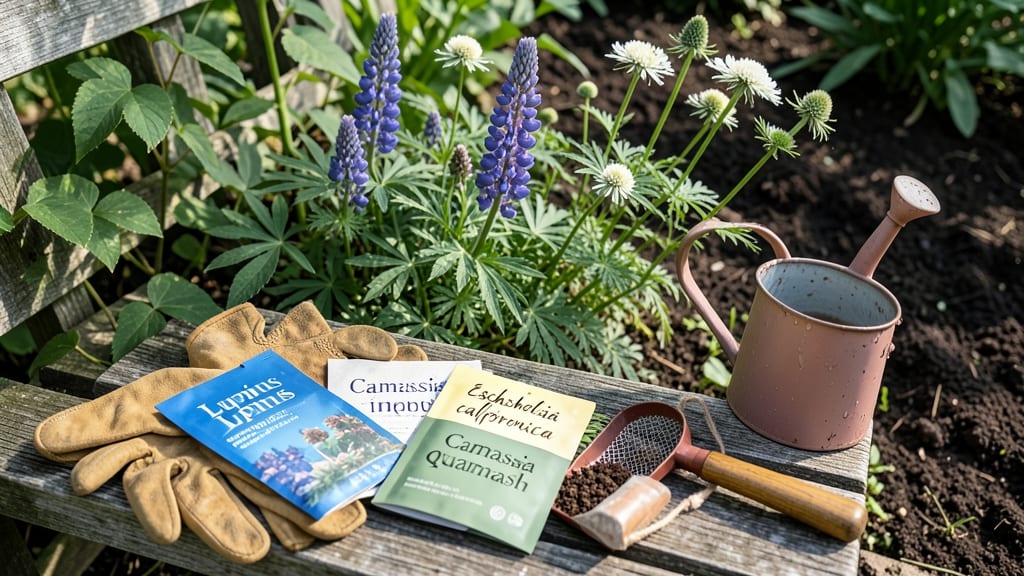
Planting wildflower seeds in Oregon at the right time means the difference between a patch of color that lasts for years and a missed opportunity for your local ecosystem.
Oregon’s diverse climate—from coastal mist to high-desert warmth—means wildflower seeds planted at the wrong time could struggle to thrive, while perfect timing unlocks vibrant meadows year-round.
For USDA Zones 7b-9a, the best windows are late winter to early spring (February–April) or late summer to early fall (August–October), but coastal areas and inland valleys each have their own ideal schedule.
Below, I’ll break down the exact months for your region, how to prep soil for Oregon’s unpredictable weather, and the top native wildflowers—like California poppies and Oregon sunshine—that reward you with blooms from spring to late summer.
Best planting windows for Oregon’s USDA zones 7-9: seasonal breakdown by region
Oregon’s three distinct regions—coastal, Willamette Valley, and high-desert—each demand unique timing for wildflower seeds to thrive. Spring planting (March-April) works best in Zone 7-8 coastal areas, while fall planting (August-September) suits Zone 8 Willamette Valley and Zone 7-9 high-desert zones.
These differences matter because soil temperatures and rainfall patterns vary dramatically across just 100 miles.
For coastal Oregon (Zone 7-8), like the Northwest coast, focus on late winter to early spring planting (February-April) when soil temperatures reach 45°F.
The mild, wet winters mean seeds can germinate quickly, but overwatering risks are higher. Native lupine and yarrow love this timing, blooming from May to July.
In the Willamette Valley (Zone 8), fall planting (August-September) is ideal for drought-tolerant wildflowers like blanket flower and goldenrod. The warmer soils and autumn rains give seeds a head start, while spring planting (March-April) works for annuals like California poppies that need full sun to bloom by June.
High-desert areas like Bend and Burns (Zone 7-9) benefit from late summer planting (August-September) when soils stay warm and summer rains provide moisture. Native penstemon and paintbrush thrive here, blooming from May to August. Avoid spring planting in these areas—hot, dry winds can dry out seeds before germination.
My top tip: Use native seed mixes tailored to your region. For example, coastal mixes include moisture-loving species, while high-desert blends focus on drought-resistant varieties. Always check seed packet instructions—some annuals need stratification (cold treatment) before planting.
For fall planting, aim to sow seeds 6-8 weeks before first frost (typically mid-October in most zones). This gives roots time to establish before winter rains arrive. In spring, wait until soil temperatures hit 50°F—use a soil thermometer to track progress.
One common mistake? Planting too early in spring when frost risks linger. I’ve seen newly sprouted lupine wiped out by late-April frosts in the Willamette Valley. Always monitor local frost dates—the Oregon State University Extension provides free frost maps for each region.
Pro tip: Mulch lightly after planting to retain moisture without smothering seeds. Use straw or shredded leaves—avoid thick layers that can prevent sunlight from reaching seeds. Water deeply but infrequently to encourage deep root growth.
Remember, Oregon’s microclimates mean your neighbor’s perfect timing might not work for you. Observe your site: Is it shady and damp (coastal)? Sunny and dry (high desert)? Adjust your planting window 2-4 weeks earlier or later based on your specific conditions.
With the right timing, your wildflower meadow could bloom from spring to fall, attracting pollinators and adding color year-round. Start with small test patches, track what thrives, and expand next year!
How to prep wildflower seed beds for Oregon’s unpredictable weather
Oregon’s wildflower seeds need the right conditions to break dormancy, especially when facing unpredictable rain or summer droughts. The key is preparing your seed bed to retain moisture while preventing waterlogging, which can suffocate delicate seedlings.
Start by choosing a sunny, well-draining location—most native wildflowers thrive with 6+ hours of sunlight daily, even if they tolerate partial shade.
Native Oregon wildflowers like lupine and blanket flower often require light burial or even just pressing seeds into the soil. Unlike vegetables, wildflower seeds rarely need deep planting—they often rely on sunlight for germination.
Use a fine-toothed rake to create a smooth, textured surface that helps seeds make contact with the soil without being buried too deeply.
⚠️ WARNING: Oregon’s Rainy Season Can Drown Wildflower Seeds
⚠️ Avoid planting during heavy rain—seeds can wash away or rot. Instead, time your planting for late winter to early spring (February–April) or late summer to early fall (August–October), when moisture is consistent but not excessive. If you must plant during wet conditions, create raised beds or berms to improve drainage and prevent water pooling.
🌧️ Pro Tip: Test soil moisture before planting—stick your finger 1 inch deep. If it’s soggy, wait 1–2 weeks.
Before sowing, loosen the top 2–3 inches of soil to improve aeration and root penetration. Mix in compost or aged manure to boost organic matter, which helps retain moisture during Oregon’s dry spells.
For clay-heavy soils common in the Willamette Valley, amend with sand or perlite to prevent compaction. High-desert areas may need extra compost to hold onto scarce water.
Watering is critical after planting. Use a gentle sprinkle to moisten the soil without disturbing seeds, then apply 1/4 inch of water weekly until germination (usually 2–4 weeks). Once seedlings emerge, reduce frequency to every 10–14 days, as wildflowers are drought-tolerant once established.
Mulch lightly with straw or wood chips to conserve moisture and suppress weeds—just avoid piling mulch directly on seeds.
For coastal Oregon gardens, where humidity is high, space seeds 1–2 inches apart to allow airflow and prevent fungal diseases. In inland or high-desert regions, where summers are hot and dry, increase spacing to 3–4 inches to reduce competition for water.
Native seed mixes often include self-seeding varieties, so avoid overcrowding to encourage natural spread over time.
Finally, protect your newly planted seeds from wind and birds with a lightweight row cover or mesh netting until germination. Oregon’s coastal winds can scatter seeds, while birds may peck at exposed ones.
Once established, wildflowers will reward you with vibrant blooms from spring to fall, attracting pollinators and adding color to your landscape—all while thriving in Oregon’s changing weather patterns.