
Flowers
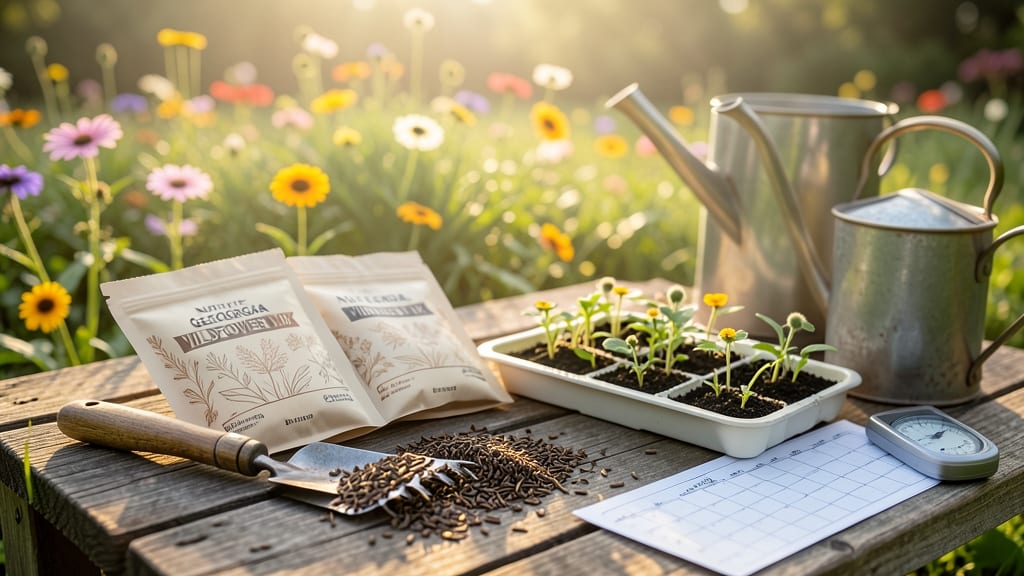
Planting wildflowers in Georgia at the right time—between late winter and early spring or fall—sets the stage for a vibrant, low-maintenance garden that thrives year-round.
If you’ve ever scattered seeds only to watch weeds take over or blooms fizzle out by summer, you know timing is everything. Georgia’s USDA zones 7a–9a offer flexibility, but a late frost or missed rain window can turn your dream meadow into a patchy disappointment.
This guide breaks down the best months for each zone, whether you’re sowing native Black-Eyed Susans or Coreopsis, and how to prep soil for maximum germination. With the right approach, you’ll enjoy continuous blooms from spring to fall—no guesswork required.
From soil prep to post-planting care, I’ll cover everything you need to turn your Georgia landscape into a pollinator paradise—without the trial and error.
Georgia’s best wildflower planting months by USDA Zone (7a–8b)
Georgia’s USDA zones 7a–8b offer perfect conditions for wildflowers, but timing matters. Spring and fall are the prime windows for planting, aligning with rainfall patterns and avoiding extreme heat.
In Zone 7a (North Georgia), cooler springs and earlier frosts demand earlier action, while Zone 8b (Coastal Georgia) allows later fall sowing. Native species like black-eyed susans and purple coneflowers thrive when planted at the right time.
For spring planting, aim for February–March in Zone 7a and March–April in Zone 8b. These months provide moderate soil temperatures (50–60°F) and consistent rainfall to kickstart germination. Fall planting, however, is often more successful—September–October gives seeds time to establish roots before winter dormancy, reducing early-season competition.
Here’s a quick reference for optimal planting windows across Georgia’s zones, including frost dates and rainfall considerations:
| Zone | Best Planting Months | Frost Dates | Rainfall Pattern | Native Species |
|---|---|---|---|---|
| 7a (North GA) | Feb–Mar (Spring), Sep–Oct (Fall) | Last frost: Mid-March First frost: Mid-November |
Moderate spring rains, dry summers | Black-eyed susans, coneflowers, milkweed |
| 7b (Central GA) | Mar–Apr (Spring), Oct (Fall) | Last frost: Late February First frost: Late October |
Consistent spring/fall rains | Coreopsis, butterfly weed, goldenrod |
| 8a (South GA) | Mar–Apr (Spring), Nov (Fall) | Last frost: Early February First frost: Early December |
Humid summers, mild winters | Salvia, phlox, blanket flower |
| 8b (Coastal GA) | Apr (Spring), Nov–Dec (Fall) | Last frost: None (rare) First frost: Mid-December |
High humidity, summer storms | Joe-Pye weed, liatris, beach sunflower |
In Zone 7a, where frosts linger longer, prioritize fall planting for species like black-eyed susans, which need 60–90 days to establish roots before winter. Scatter seeds in September to ensure they germinate before the ground freezes.
For Zone 8b, take advantage of milder winters by sowing late fall (November–December) for early spring blooms.
Summer planting is possible but risky—only attempt it in Zone 8b with shade-cloth protection and frequent watering. Heat and drought can stress seeds, leading to poor germination. If you must plant in summer, choose heat-tolerant varieties like blanket flower or zinnia and keep soil moist.
Prepare your soil by removing weeds and tilling lightly to a depth of 2–3 inches. Wildflowers prefer well-draining soil, so amend heavy clay with compost or sand.
After sowing, lightly rake seeds to ensure soil contact and water gently to settle them. Mulch with straw or pine needles to retain moisture and suppress weeds.
For pollinator-friendly gardens, include milkweed (for monarchs) and bee balm in your mix. These species attract beneficial insects while thriving in Georgia’s climate. Plant in full sun (6+ hours daily) for best results, though some shade-tolerant varieties like columbine can handle partial shade.
Monitor rainfall patterns—Georgia’s spring showers are ideal for germination, but summer droughts can stall growth. If natural rainfall is scarce, water deeply 1–2 times per week until plants establish roots. Once mature, most wild
How to extend wildflower blooms year-round in Georgia’s climate
Georgia’s long growing season and mild winters create perfect conditions for continuous wildflower blooms, but achieving year-round color requires strategic planning. The key lies in staggered planting, succession blooming, and selecting drought-resistant varieties that thrive in our USDA zones 7a–8b.
With the right approach, you can enjoy vibrant flowers from early spring through late fall—even during Georgia’s occasional dry spells.
My secret? Layered planting combines early, mid, and late-season bloomers so that as one variety fades, another takes over. For example, coreopsis and black-eyed susans bloom in summer, while wild indigo and purple coneflower extend color into fall.
Pairing these with winter annuals like snapdragons ensures blooms even in cooler months. Let’s break down the exact steps to make this work in your garden.
- 🌱 Stagger Planting: Sow seeds in 3 batches—February, May, and September—to create overlapping bloom times.
- ☀️ Choose Drought-Tolerant Varieties: Prioritize native species like butterfly milkweed and goldenrod, which need minimal water once established.
- 💧 Mulch Strategically: Apply 2–3 inches of mulch after planting to retain moisture and suppress weeds, reducing competition for nutrients.
- ✂️ Deadhead Regularly: Remove spent blooms every 2–3 weeks to encourage reblooming and prevent seed production that can lead to overcrowding.
- 🌡️ Adjust Watering by Season: Water deeply once weekly in summer and reduce to bi-weekly in fall/winter to prevent fungal diseases.
Let’s start with soil preparation, the foundation of a thriving wildflower garden. Georgia’s clay-heavy soils in many regions can compact easily, so I always amend with compost or sand to improve drainage.
A quick soil test will reveal if your garden needs lime (to raise pH) or sulfur (to lower pH). Most wildflowers prefer slightly acidic to neutral soil (pH 6.0–7.0), but native species like milkweed adapt well to local conditions once established.
Once your soil is ready, succession planting is your best bet for non-stop color. For example, sow early bloomers like lupine in February for spring blooms, then follow with coreopsis in May for summer, and asters in September for fall.
This 3-phase approach ensures that even when one variety finishes, another is just beginning. Pro tip: Use winter annuals like sweet alyssum or calendula to bridge gaps between seasons.
Don’t overlook the power of mulching—it’s a game-changer for water retention and weed control. I recommend organic mulch like straw or wood chips (avoid dyed mulch, which can harm plants). Apply a 2–3 inch layer after planting to keep roots cool in summer and insulated in winter.
Mulch also slowly decomposes, adding nutrients back to the soil over time, which is especially helpful for low-maintenance gardens.
Finally, watering wisely is critical in Georgia’s humid summers and occasional droughts. Newly planted wildflowers need consistent moisture to germinate, so water lightly daily for the first 2 weeks. After that, shift to deep watering once weekly to encourage deep root growth.
Once established, most wildflowers thrive on rainfall alone, but a soaker hose during dry spells keeps them vibrant. Always water in the early morning to reduce evaporation and prevent fungal diseases.
With these strategies, your Georgia garden can burst with color 12 months a year, attracting pollinators and adding natural beauty without the high maintenance. The key is planning ahead, choosing the right varieties, and adapting to our unique climate. Happy gardening! 🌼