
Flowers
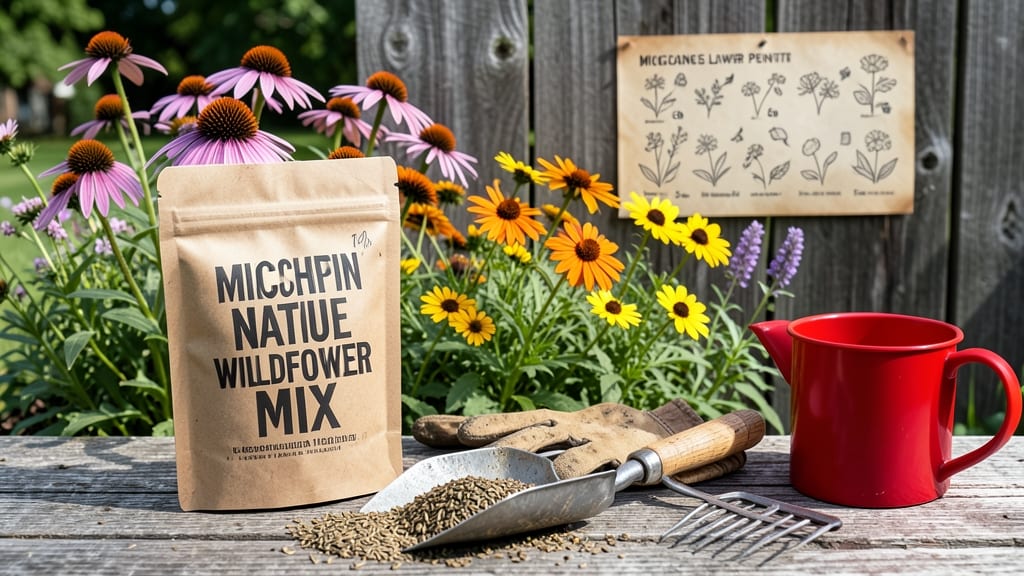
Planting wildflowers in Michigan at the right time ensures vibrant blooms from spring to frost, no matter your zone.
Michigan’s fluctuating climate can make wildflower planting tricky—but timing it right ensures vibrant blooms from spring to frost. Whether you’re restoring pollinator habitats or adding color to your landscape, knowing the best planting windows for USDA Zones 5 and 6 is key to success.
Spring is the most popular window, but fall planting offers a head start for next year’s flowers. The trick is to avoid late frosts, which can damage tender seedlings, and to prepare your soil properly for Michigan’s variable weather.
Below, I’ll break down the best months for planting, how to choose the right wildflower mixes for your region, and pro tips to keep your 🌼 blooms thriving year-round.
Best planting months for wildflowers in Michigan’s zones 5 & 6
Michigan’s USDA Zones 5 and 6 offer two ideal windows for planting wildflowers—early spring and late summer/fall. Each season brings unique advantages, from cooler soil temperatures to reduced competition with weeds.
For northern Michigan (Zone 5b), timing is especially critical due to shorter growing seasons, while southern Michigan (Zone 6b) enjoys slightly longer windows. Understanding these differences ensures your wildflowers thrive and bloom reliably.
Spring planting typically begins in March or April, right after the last frost date (usually mid-April in most regions). This timing allows seeds to germinate in warm soil while avoiding late-season weeds.
In contrast, fall planting in September or early October lets seeds establish roots before winter, emerging early the following spring. Both methods work, but perennial wildflowers often benefit more from fall planting due to their longer lifespan.
Here’s how to adjust for Michigan’s microclimates. In northern Michigan (e.g., Traverse City, Marquette), aim for spring planting by May 1 to avoid early frosts. In southern Michigan (e.g., Detroit, Kalamazoo), you can extend fall planting until mid-October before the first hard frost.
Always check your local frost dates—they can vary by 1-2 weeks depending on elevation and proximity to lakes.
Soil preparation is just as critical as timing. Before planting, loosen the top 6 inches of soil to improve seed-to-soil contact. Remove existing weeds and add a light layer of compost (1-2 inches) to enrich the soil without compacting it.
Wildflowers thrive in well-draining soil, so avoid heavy clay areas unless amended. For annual wildflowers, like cosmos or zinnias, you can also incorporate a light fertilizer (5-10-10 ratio) at planting time to boost early growth.
| Planting Window | Best For | Soil Prep | Frost Considerations | Regional Adjustments |
|---|---|---|---|---|
| Early Spring (March-April) | Annuals, fast-blooming perennials | Loosen soil, add compost | After last frost (mid-April) | Northern MI: Plant by May 1 |
| Late Summer/Fall (September-October) | Perennials, long-lived species | Light raking, no fertilizer | Before first hard frost (mid-October) | Southern MI: Extend to Oct 15 |
| Direct Sowing (Year-Round) | Native wildflowers, self-seeding types | Minimal prep, natural soil | Avoid frost-prone months | Lake-effect areas: Delay 1 week |
For annual wildflowers, like cosmos or sunflowers, spring planting is ideal. These varieties bloom quickly and complete their lifecycle in one season, making them perfect for instant color. Start seeds indoors in late March or direct-sow after the last frost.
If you’re aiming for continuous blooms, consider succession planting—sow a second batch in early June to extend the season until frost.
Perennial wildflowers, such as black-eyed Susans and coneflowers, benefit most from fall planting. These hardy plants establish deep roots over winter, giving them a head start in spring.
In Zone 5, aim to plant by September 15, while Zone 6 gardeners can push it to October 1. Avoid planting too late, as seeds may not germinate before winter sets in. A light mulch (1 inch) after planting helps insulate seeds and retain moisture.
Michigan’s lake-effect climate adds another layer of complexity. Areas near the Great Lakes, like Traverse City or Muskegon, experience delayed springs and extended falls. Adjust your planting timeline by 1-2 weeks later than inland regions.
For example, if inland gardeners plant in mid-April, lake-effect areas should wait until early May. Always monitor local weather forecasts for unexpected frost warnings, which can damage young seedlings.
One common mistake is overwatering after planting. While seeds need consistent moisture to germinate, established wildflowers are drought-tolerant once rooted. Water lightly (about ¼ inch) every 2-3 days until seeds sprout, then taper off.
Overwatering can lead to fungal diseases or washed-out seeds. After germination, reduce watering to once a week unless temperatures exceed 85°F, which may require deep
How to choose wildflower seed mixes for Michigan’s climate
Michigan’s variable rainfall and cold winters demand smart wildflower seed choices. Native perennials like black-eyed Susan and coneflower thrive here, while annuals like cosmos offer quick color. The key? Drought-tolerant mixes that support pollinators while avoiding invasive species. Let’s break down your best options for USDA Zones 5b-6b.
Start by identifying your primary goals. Need year-round blooms? Mix perennial seeds with late-season annuals. Want pollinator support? Prioritize native species like bee balm or milkweed.
Avoid mixes containing non-native invasives such as teasel or knapweed, which disrupt local ecosystems. Always check seed packets for Michigan-friendly labels.
- 🌱 Perennials (Cold-Hardy)
- ✅ Black-Eyed Susan – Drought-tolerant, golden blooms (July-Sept)
- ✅ Coneflower – Pollinator magnet, purple/pink flowers
- ✅ Butterfly Weed – Monarch host, orange flowers
- 🌻 Annuals (Quick Color)
- ✅ Cosmos – Lightweight seeds, pink/white blooms
- ✅ Zinnias – Bright colors, cut-flower friendly
- ✅ Sunflower – Tall varieties, bird-friendly
- 🚫 Avoid Invasives
- ❌ Teasel – Spreads aggressively
- ❌ Knapweed – Chokes native plants
- ❌ Garlic Mustard – Toxic to wildlife
For drought-prone areas, opt for mixes with deep-rooted perennials like yarrow or blazing star. These plants store water efficiently and require minimal summer care. If your site gets consistent moisture, annuals like lupine or phlox will flourish.
Always test your soil’s drainage—clay-heavy Michigan soils benefit from sand amendments.
Timing matters too! Fall planting (September-October) gives seeds time to stratify naturally before winter. Spring planting (April-May) works for annuals but may require light mulch to retain moisture.
Pro tip: Scatter seeds thinly—crowding leads to weak stems and pest issues. Aim for 1/4 lb per 100 sq ft for most mixes.
Don’t overlook seed source reliability. Purchase from Michigan-based nurseries or native plant specialists to ensure localized adaptations. Brands like American Meadows or Wildseed Farms offer pre-mixed regional blends tailored to your climate.
Always store extra seeds in a cool, dry place—viability lasts 1-2 years for most wildflower varieties.
Once planted, minimize disturbance until germination (typically 10-20 days). Light mulch helps retain moisture, while occasional weeding keeps invasives at bay. By mid-summer, your pollinator-friendly meadow will buzz with activity—bees, butterflies, and hummingbirds will thank you!