
Pests
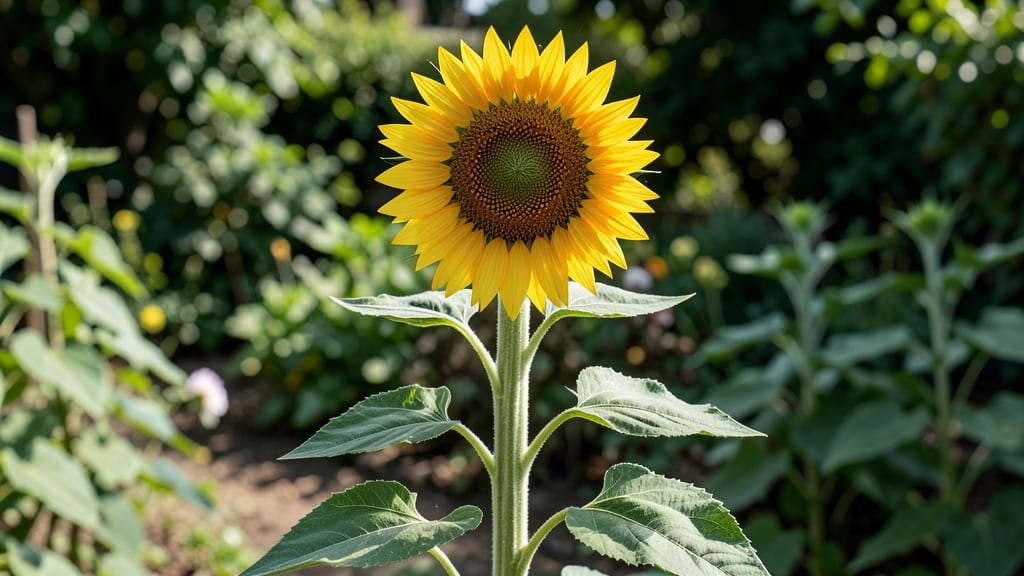
Growing the world's tallest sunflower 🌻 isn’t just about luck—it’s a mix of the right genetics, soil, and care that can push a plant toward 25-foot heights.
Picture this: a towering sunflower that could outshine a two-story house, its massive blooms turning heads at county fairs and setting new records. The key? Starting with Mammoth Russian or American Giant varieties, then giving them the perfect growing conditions to stretch skyward.
From planting in Zone 6 after the last frost to deep watering and strategic fertilization, every step matters. Even wind protection and proper support can mean the difference between a 10-foot beauty and a record-breaker.
In this guide, I’ll walk you through the exact techniques competitive growers use—so you can turn your backyard into the stage for the next sunflower giant.
How to grow a record-breaking tall sunflower: key techniques
Growing the world's tallest sunflower requires more than just planting a seed—it demands precision in variety selection, soil optimization, and growth conditions. The current record holder, a Mammoth Russian variety, soared to 15.3 feet in 2021, proving that with the right approach, your sunflower could rival skyscrapers.
Let’s break down the science-backed techniques to maximize height growth.
First, focus on genetics and variety. Not all sunflowers are created equal—some varieties, like Russian Giant or American Giant, are bred for height and can reach 12-20 feet under ideal conditions.
These giants require deep, fertile soil and consistent care to unlock their full potential. Skipping this step is like building a house without a foundation—your sunflower will struggle to stand tall.
Next, prepare your growing medium like a pro. Sunflowers thrive in loamy, well-draining soil with a pH between 6.0 and 7.5. Amend your soil with compost or aged manure to boost organic matter, which fuels rapid stem elongation.
A 10-10-10 fertilizer applied at planting and again when plants are 1-2 feet tall provides the balanced nutrients needed for explosive growth.
Now, let’s dive into the step-by-step process to cultivate a sunflower that could break records. Follow these expert-approved techniques to ensure your plant reaches its maximum height potential.
Step-by-Step Guide to Growing a Record-Breaking Sunflower
-
1. Select the Right Variety
Choose Mammoth Russian or Russian Giant—both are bred for height and can exceed 12 feet. Start with high-quality seeds from a reputable supplier to ensure genetic potential. -
2. Optimize Soil Conditions
Test soil pH and amend with compost or aged manure for fertility. Aim for loamy, well-draining soil to prevent root rot while supporting deep root growth. -
3. Plant at the Right Depth and Spacing
Sow seeds 1 inch deep and space them 6 inches apart in rows 2 feet apart. This spacing reduces competition and allows stems to thicken for structural support. -
4. Provide Full Sun Exposure
Sunflowers need 6-8 hours of direct sunlight daily. Place them in the sunniest spot in your garden, ideally facing south. Lack of sunlight stunts growth and weakens stems. -
5. Water Deeply and Consistently
Water deeply 1-2 times per week (1 gallon per plant) to encourage deep root growth. Avoid wetting foliage to prevent fungal diseases. Morning watering reduces evaporation and fungal risks. -
6. Fertilize Strategically
Apply a balanced 10-10-10 fertilizer at planting and again when plants reach 1-2 feet tall. Avoid over-fertilizing, which can lead to weak stems or excessive foliage at the expense of height. -
7. Provide Structural Support
Use stakes or cages to prevent stems from bending under their own weight. For extra-tall varieties, consider a trellis system to guide growth vertically and protect against wind damage. -
8. Monitor for Pests and Diseases
Watch for aphids, spider mites, or powdery mildew. Use neem oil or insecticidal soap for pests and ensure good airflow to prevent fungal issues. -
9. Prune for Vertical Growth
Remove any side shoots that form below the main stem to redirect energy upward. This technique focuses growth on the primary stalk, maximizing height. -
10. Measure and Track Progress
Record height weekly using a measuring tape or ruler. Track growth patterns to adjust care (e.g., more fertilizer if growth slows, or additional support if stems weaken).
One of the most critical factors in growing a tall sunflower is ensuring it receives uninterrupted sunlight. Sunflowers are heliotropic, meaning they follow the sun’s movement to maximize energy absorption.
If your garden lacks full sun, consider using reflective surfaces (like white mulch or mirrors) to bounce extra light onto the plants. Even 1-2 hours less sunlight per day can significantly reduce height potential.
Watering plays a dual role in height growth: it hydrates the plant while also preventing stem weakness. Overwatering can lead to root rot or blossom end rot, while underwatering stresses the plant and stunts growth.
Aim for deep, infrequent watering—this encourages roots to grow deeper into the soil, creating a stable base for the towering stem. A drip irrigation system is ideal for delivering consistent moisture without wetting the foliage.
Don’t overlook the power of structural support. As your sunflower reaches 6-8 feet, its stem can become top-heavy and prone to snapping. Install bamboo stakes or metal cages at planting to provide guidance as the plant grows.
For varieties exceeding 10 feet, consider a custom trellis made from PVC pipes or wooden posts. Securing the stem with soft ties (like old T-shirts) prevents damage while allowing natural growth.
Finally, embrace patience and consistency. A record-breaking sunflower doesn’t grow overnight—it takes 90-120 days from seed to maturity. Stay vigilant with soil health, pest control, and structural support, and you’ll be amazed at how quickly your sunflower climbs toward the sky.
With these techniques, you’re not just growing a flower; you’re cultivating a living skyscraper.
Ready to break records? Start with the right variety, give it the perfect growing conditions, and watch as your sunflower reaches new heights—literally! 🌻
Top 5 sunflower varieties that can compete for the tallest record
Breaking sunflower height records isn't just for botanists—it's within reach for dedicated gardeners! The world's tallest sunflower varieties push boundaries with 15-25 feet stems, thanks to Russian and American Giant genetics.
These varieties thrive with full sun exposure and rich, well-draining soil, making them ideal for ambitious growers in USDA Zone 6 or warmer.
Selecting the right variety is your first step toward towering sunflowers. Mammoth Russian and Russian Giant dominate height charts, while American Giant offers a slightly faster growth rate. Each variety demands specific care to reach its maximum potential height, from deep watering routines to structural support against wind.
Here’s how the top contenders stack up for record-breaking growth, including their average height ranges, growth rates, and ideal growing conditions:
| Variety | Avg. Height | Growth Rate | Sun Needs | Soil Type | Key Tip |
|---|---|---|---|---|---|
| Mammoth Russian | 18-25 ft | Slow to moderate | Full sun (6+ hrs) | Loamy, fertile | Stake early for support |
| Russian Giant | 15-20 ft | Moderate | Full sun (8+ hrs) | Well-draining | Water deeply 2x/week |
| American Giant | 12-18 ft | Fast | Full sun (6+ hrs) | Rich, composted | Fertilize at planting |
| Autumn Beauty | 10-14 ft | Moderate | Full sun (6+ hrs) | Loamy | Prune lower buds |
| Colossus | 14-20 ft | Slow | Full sun (8+ hrs) | Well-draining | Use trellis for height |
The Mammoth Russian variety holds the record for the world's tallest sunflower, reaching over 25 feet with proper care. Its slow growth rate means patience is key—plants take 100+ days to mature.
For faster results, American Giant delivers 12-18 feet in 80-90 days, making it perfect for competitive growers.
All these varieties thrive in well-draining soil with regular deep watering, but Russian Giants demand extra attention to nutrient-rich soil to avoid stunted growth. Adding compost or balanced fertilizer at planting boosts their vertical potential.
Don’t forget to stake or trellis them early—wind can snap 15-foot stems like twigs!
Ready to grow a sunflower skyscraper? Start with Mammoth Russian seeds, give them full sun, and watch your garden become a record-breaking masterpiece. 🌻