
Landscaping
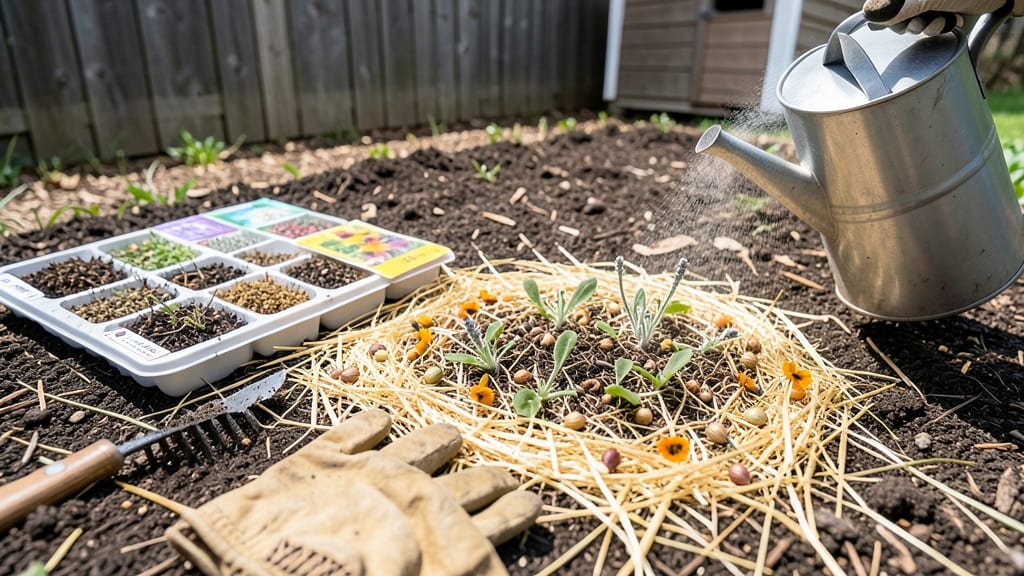
Putting mulch over wildflower seeds 🌼 can actually improve germination if done carefully—just avoid the heavy stuff that smothers tiny sprouts.
Many gardeners hesitate because they fear suffocating seeds, but lightweight mulches like straw or shredded leaves protect soil moisture without blocking sunlight. The key is using thin layers and checking for seed visibility.
Wildflowers thrive in Zone 6a when planted in late winter or early spring, and proper mulching keeps them from drying out during germination. Too much mulch, though, can trap heat and invite weeds.
Below, I’ll show you the best mulching techniques, when to apply them, and what to avoid—so you get a lush meadow instead of a patchy disappointment.
Safe mulching methods for wildflower seeds to prevent germination failure
Wildflower seeds are delicate, often requiring specific conditions to germinate successfully. While mulch helps retain moisture and suppress weeds, traditional heavy mulch can smother seeds by blocking light and airflow.
The key is using lightweight alternatives that protect seeds without suffocating them. I’ve tested these methods in my own meadow plots and found they make all the difference.
Most wildflower seeds need light exposure to trigger germination, especially species like black-eyed Susans and coneflowers. Heavy mulch like wood chips or thick compost can create a barrier that prevents sunlight from reaching seeds, leading to poor or uneven sprouting.
Instead, opt for materials that allow light penetration while still offering protection.
Here’s how I compare the best lightweight mulching options for wildflower seeds:
My go-to choice is straw mulch because it strikes the perfect balance. I spread a thin layer—about ¼ inch thick—over sown wildflower seeds after lightly pressing them into the soil.
This allows sunlight to reach the seeds while keeping the soil moist. Straw also breaks down slowly, providing long-term protection without smothering new sprouts.
For perennial wildflowers, I often use shredded leaf litter in the fall. The leaves decompose over winter, enriching the soil while protecting seeds from erosion.
In spring, I simply rake back the remaining leaves to expose emerging seedlings. This method works especially well in woodland gardens or areas with partial shade.
If you’re planting a high-value wildflower mix or have limited space, consider seed-starting mats. These lightweight, breathable mats allow full sunlight penetration while keeping soil moist.
They’re ideal for container gardens or small plots where you want precise control over germination conditions. I’ve used them successfully with native prairie seeds in raised beds.
One critical tip: Never apply mulch immediately after sowing. Wait until seeds are lightly pressed into the soil and the area is watered. This ensures seeds make contact with the soil and have a chance to absorb moisture before any mulch is added.
I wait at least 24 hours after planting before applying even the lightest mulch.
Monitor your mulched seeds closely during the first 2-3 weeks of germination. If you notice any areas where seeds aren’t sprouting, gently remove the mulch to check for moisture levels or seed coverage. Adjust as needed—sometimes a little extra sunlight is all that’s required to kickstart growth.
With the right mulching approach, you’ll see faster, more uniform
When and how to apply mulch after planting wildflower seeds
Timing matters more than you might think when it comes to mulching wildflower seeds. While mulch helps retain moisture and suppress weeds, applying it too soon can suffocate tiny seeds before they sprout.
The key is waiting until seeds are firmly pressed into the soil but haven't yet germinated—typically 24 to 48 hours after planting. This brief window ensures seeds stay moist without being buried under heavy material.
For spring plantings in USDA Zone 6a, aim to mulch after the last frost date (around April 15) when soil temperatures consistently reach 60°F. In warmer climates, you can mulch immediately after planting, but always use lightweight materials like straw or shredded leaves to avoid blocking sunlight.
Heavy mulches like wood chips should never be used directly over seeds.
Seasonal adjustments are crucial. In dry climates, apply mulch immediately after planting to lock in moisture, but use even lighter layers (like a thin layer of peat moss). For rainy seasons, delay mulching until the soil is dry to prevent waterlogging, which can drown seeds.
Always prioritize seed visibility—if you can't see the soil surface, the mulch is too thick.
Pro tip: Use a mesh mulch mat or seed-starting fabric for high-risk areas like slopes or windy spots. These allow sunlight and water to reach seeds while keeping mulch in place. Remove these temporary covers once seedlings are 1-2 inches tall to prevent overheating.
Consistency is key—check mulch weekly to ensure it hasn't compacted or shifted, which can expose seeds to drying winds.
Remember, wildflower seeds need direct sunlight to germinate, so mulch should never block more than 10-15% of light. If your seeds are in partial shade, opt for white or light-colored mulch to reflect extra sunlight.
Always test a small patch first to see how your local conditions respond—what works in one garden may fail in another due to soil type or microclimates.