
Flowers
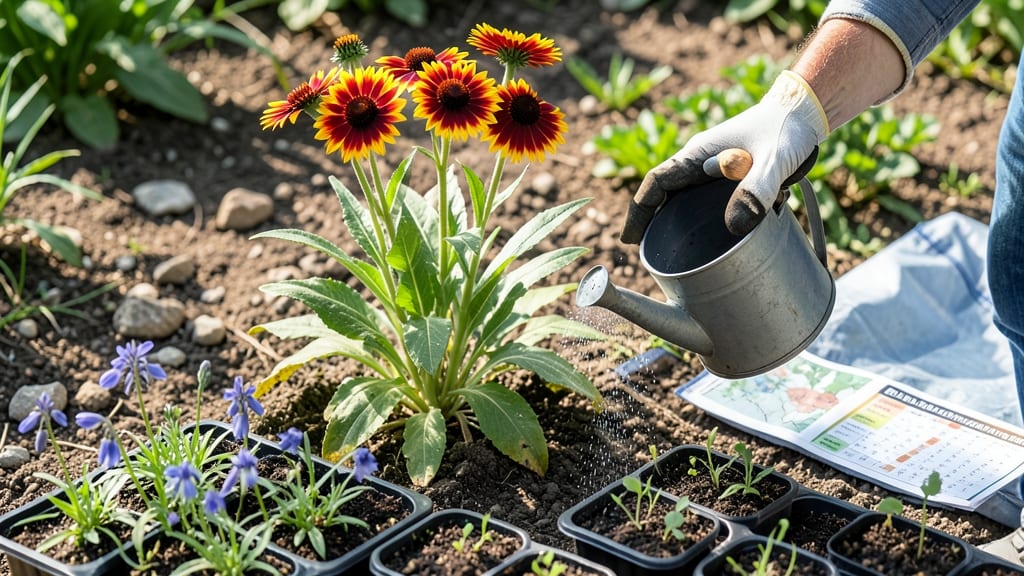
You can plant flowers in Colorado as early as mid-March for hardy varieties or wait until late April for tender annuals, depending on your elevation and last frost date.
Colorado’s diverse climate—from high-altitude mountain regions to arid plains—means your flower planting timeline can vary wildly depending on where you live.
In USDA zones 5-7, most gardeners aim for spring planting between March 15 and May 15, while fall planting wraps up by September 15 to give roots time to establish before winter.
This guide breaks down the best planting windows for annuals, perennials, and bulbs, plus how to adjust for late frosts, elevation shifts, and Colorado’s unpredictable weather patterns.
Colorado flower planting calendar by USDA Zone (5-8)
Colorado’s USDA zones 5-8 create a complex gardening puzzle, where Denver’s high-altitude climate (Zone 5-6) clashes with Grand Junction’s arid heat (Zone 7-8). Your last frost dates can shift by weeks—April 15 in Denver vs. March 1 in Grand Junction—so timing is everything.
This calendar breaks down month-by-month planting for annuals, perennials, and bulbs, adjusted for elevation and microclimates.
High-altitude areas like Boulder or Colorado Springs (Zone 5-6) face late spring frosts until May 15, while Western Slope cities (Zone 7-8) can plant marigolds or zinnias as early as March 1.
Use this guide to match your local frost dates with the best flower varieties for your zone—whether you’re growing hardy coneflowers or heat-loving sunflowers.
🌱
For Zone 5 (Denver/Boulder), focus on cold-hardy perennials like black-eyed Susans and Russian sage, which thrive in cooler temperatures and dry soils. Start spring bulbs in late September for April blooms, and protect tender annuals with row covers if late frosts threaten.
My go-to varieties for Zone 5 include columbines (which self-seed reliably) and delphiniums for dramatic height.
In Zone 6 (Colorado Springs), you’ll find a longer growing season (about 2 weeks earlier than Denver), making it ideal for
Best flowers to plant in Colorado by season (cold-hardy picks)
Colorado’s diverse elevations and microclimates create unique gardening challenges, but they also offer opportunities to grow stunning, cold-hardy flowers that thrive year-round. Whether you're in the Front Range or the Western Slope, choosing the right flowers for each season ensures vibrant blooms even in unpredictable weather.
Let’s dive into the best seasonal flowers that will flourish in your Colorado garden.
Spring is the perfect time to plant early bloomers like daffodils and tulips, which brave the late frosts and bring color to your garden as soon as the snow melts.
For summer heat, opt for heat-tolerant annuals like zinnias and marigolds, while fall perennials such as mums and aster will keep your garden lively until the first frost. Finally, winter-hardy plants like snowdrops and hellebores ensure your garden stays beautiful even in the coldest months.
🌱 Seasonal Flower Guide for Colorado
- Spring (March-May): Daffodils, Tulips, Bleeding Heart, Lungwort
- Summer (June-August): Zinnias, Marigolds, Coneflowers, Black-Eyed Susans
- Fall (September-November): Mums, Asters, Goldenrod, Russian Sage
- Winter (December-February): Snowdrops, Hellebores, Winter Aconite, Crocuses
✂️ Pro Tip: Plant bulbs in fall for spring blooms—they’ll naturalize beautifully in Colorado’s climate!
For high-altitude gardens above 7,000 feet, focus on alpine-friendly flowers like columbines and penstemons, which thrive in cooler temperatures and well-draining soil. In contrast, lower elevations like the Pueblo area can handle heat-loving annuals such as portulaca and lantana, which flourish in dry, sunny conditions.
Always check your local frost dates—they can shift by 2-4 weeks depending on your USDA zone.
Perennials like coneflowers and black-eyed Susans are low-maintenance and drought-tolerant, making them ideal for Colorado’s variable rainfall. These long-blooming perennials return year after year, providing color and pollinator support with minimal effort.
If you’re new to gardening, start with easy-care annuals like pansies or snapdragons, which thrive in cool spring and fall temperatures and add instant seasonal color.
Don’t forget to mulch your plants in late fall to protect roots from freezing temperatures and retain moisture during dry spells. A 3-inch layer of mulch also helps suppress weeds, giving your flowers a competitive edge in Colorado’s competitive garden beds.
For container gardening, choose compact varieties like petunias or geraniums, which adapt well to limited space and variable weather.
With the right seasonal selections and a little localized care, your Colorado garden can be a year-round blooming paradise. Experiment with native plants like beebalm or blanket flower to support local pollinators while keeping your garden low-water and low-maintenance. Happy planting! 🌷